
best biryani recipe chicken easy is usually what people type right after they’ve cooked rice that turned mushy, chicken that stayed bland, or a “biryani” that tastes like spiced chicken and rice sitting next to each other.
This version aims for what most home cooks actually want: deep aroma, separate grains, tender chicken, and a method that doesn’t require restaurant gear or a full day off.
If you’ve avoided biryani because it feels complicated, you’re not alone. The “hard part” is rarely skill, it’s timing: rice, chicken, onions, and steam all need to land in the right window.
Below, I’ll show the shortcuts that still taste legit, plus a few places where shortcuts usually backfire.
What makes chicken biryani taste “right” (and what ruins it)
Biryani is less about one magic spice mix and more about layered flavor. The rice carries perfume, the chicken carries masala depth, and the steam finishes the marriage.
- Separate grains: basmati, rinsed, then parboiled just short of done.
- Masala that clings: yogurt and browned onions help spices stick to chicken instead of vanishing.
- Controlled moisture: too wet equals mush; too dry equals crunchy “top rice.”
- Aromatics at the end: herbs, ghee, saffron water or turmeric milk added while layering.
Common ruiners: skipping onion browning, fully cooking rice before steaming, and using boneless breast only. Breast can work, but it dries fast unless you’re careful.
Quick self-check: which biryani problem are you actually having?
Before you change everything, pinpoint the failure mode. It saves a lot of frustration.
- Rice is mushy → rice overcooked in boiling step, or too much liquid during steam.
- Rice is hard on top → heat too high, lid not sealed, or not enough steam moisture.
- Chicken tastes flat → marinade too short, salt too low, spices not bloomed in fat.
- Whole dish tastes “muddy” → too many powdered spices, not enough fresh herbs/acid.
- Greasy/heavy → ghee/oil too high, onions not drained, or using very fatty cuts without balance.
Many weeknight cooks are really chasing one thing: a reliable rice texture. Once that’s consistent, flavor becomes much easier to tune.
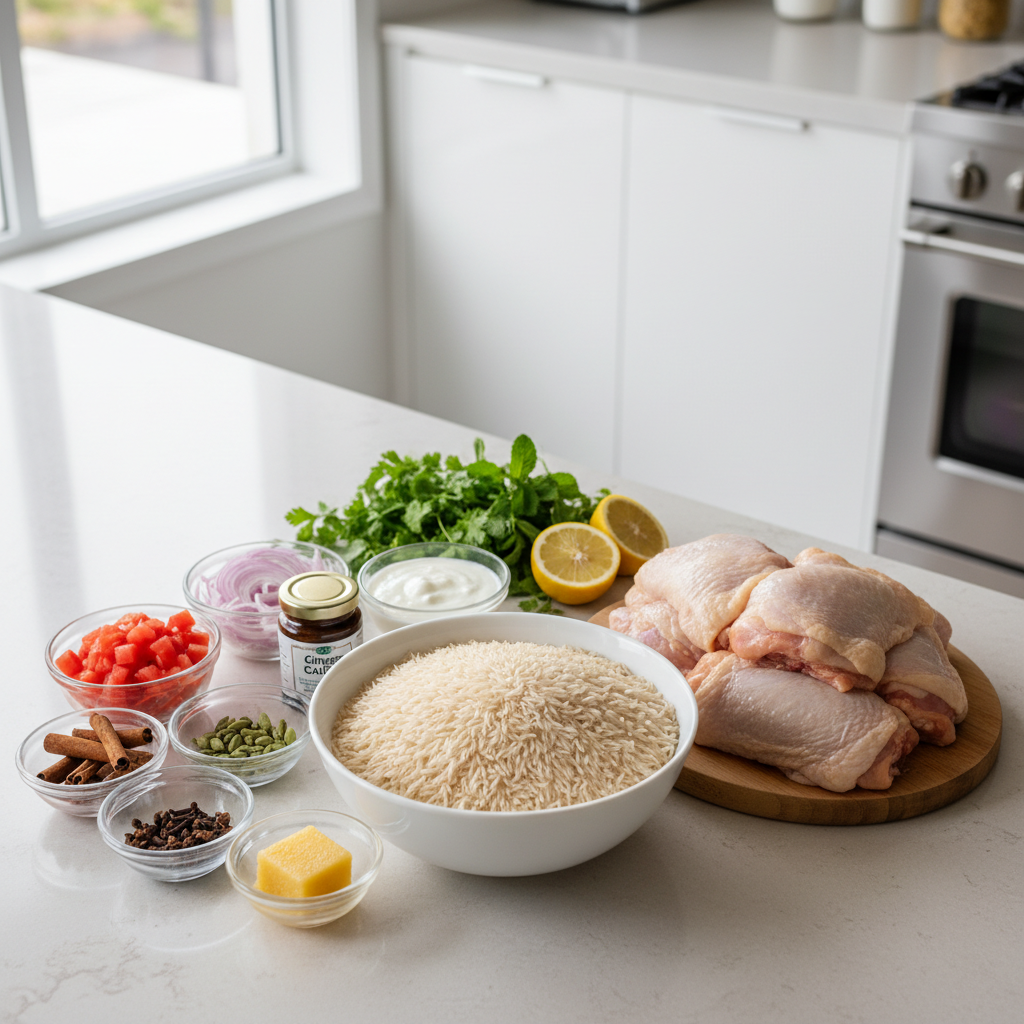
Ingredients for an easy chicken biryani (US grocery friendly)
This list stays close to traditional flavor while keeping shopping realistic for the US. If you want the best biryani recipe chicken easy outcome, don’t treat basmati as optional.
Core ingredients
- Basmati rice (aged if you can find it)
- Chicken thighs (bone-in or boneless; thighs forgive timing)
- Plain whole-milk yogurt
- Onions (2 large), tomatoes (1–2)
- Ginger-garlic paste (or minced fresh)
- Cilantro + mint
- Ghee (or neutral oil + a little butter)
- Lemon juice
Spices (practical set)
- Whole: cumin seeds, green cardamom, cloves, cinnamon stick, bay leaf
- Ground: turmeric, chili powder or cayenne, coriander, garam masala
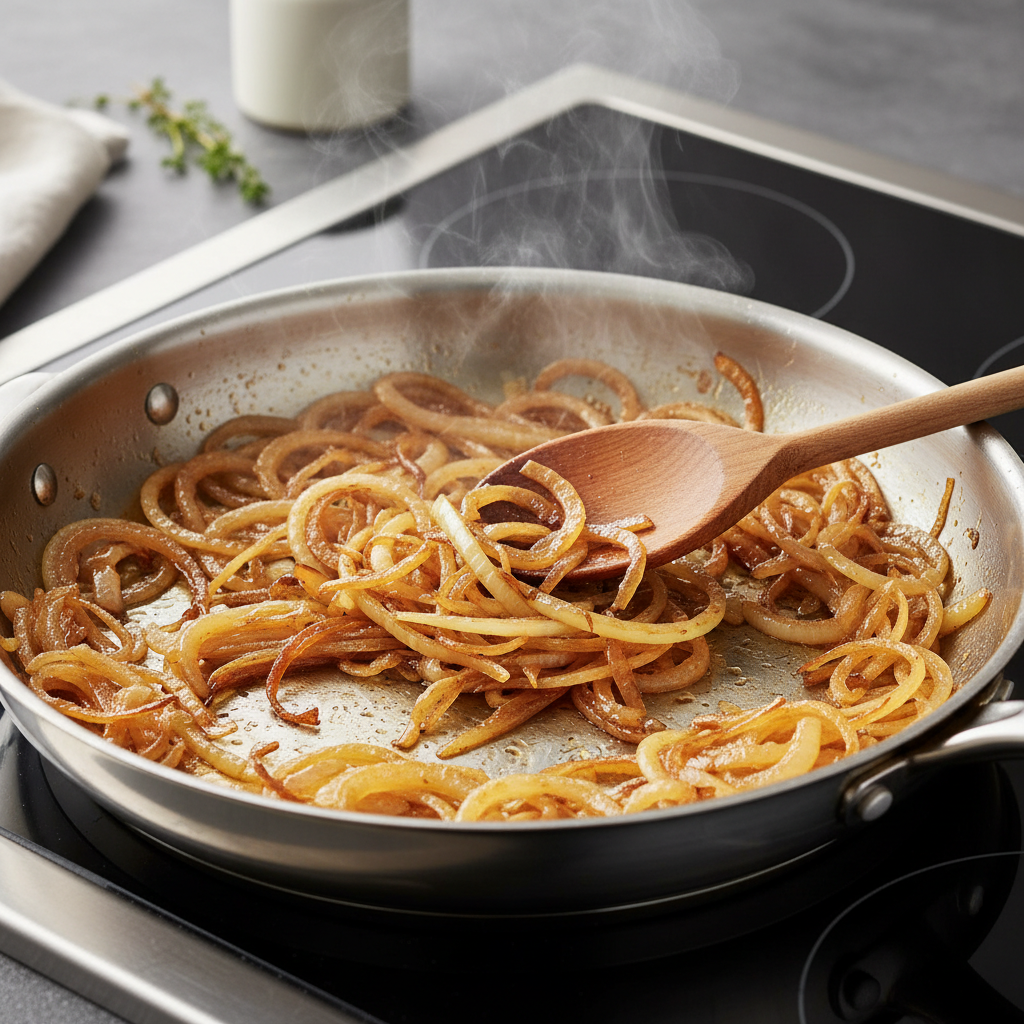
Onion note: if you can only “do one extra thing,” brown the onions properly. That sweet-savory edge is a big part of what people read as restaurant flavor.
Best easy chicken biryani: step-by-step method you can repeat
This is a streamlined, home-kitchen approach: marinate, cook masala, parboil rice, layer, steam. No fancy pot required, but a heavy-bottom Dutch oven helps.
1) Marinate the chicken (20 minutes to overnight)
In a bowl, mix:
- 2 lb chicken thighs
- 3/4 cup yogurt
- 1 1/2 tbsp ginger-garlic paste
- 1 1/2 tsp salt (adjust later)
- 1 tsp turmeric
- 1 1/2 tsp coriander
- 1 tsp chili powder (or to taste)
- 1/2 tsp garam masala
- 1–2 tbsp lemon juice
If you only have 20 minutes, it still helps. If you have time, chilling longer deepens the bite.
2) Brown onions, then build the masala
In a wide pot, heat 3–4 tbsp ghee or oil on medium. Add sliced onions and cook until deep golden. Remove half for layering.
In the same pot, add whole spices (cumin, cardamom, cloves, cinnamon, bay) for 30–60 seconds, then add tomatoes and a pinch of salt. Cook until the tomatoes slump and the oil starts to separate at the edges.
Add marinated chicken, stir well, then cover and simmer gently until chicken is about 80–90% cooked. You want sauce thick, not soupy.
3) Parboil the rice (the “separate grains” move)
Rinse 2 cups basmati until water runs mostly clear. Soak 15–20 minutes if possible.
Boil a large pot of water with salt until it tastes like sea water. Add rice and cook until the grain is flexible but still has a firm center, usually 5–7 minutes depending on brand. Drain immediately.
According to USDA Food Safety and Inspection Service (FSIS), chicken should reach a safe internal temperature of 165°F; biryani finishes during steaming, so check near the end if you’re unsure.
4) Layer and steam (dum) without stress
- Turn heat low under the chicken masala.
- Spread drained rice on top in an even layer.
- Top with reserved fried onions, chopped cilantro/mint, and 1–2 tbsp ghee.
- Optional: saffron steeped in warm milk, or a pinch of turmeric in milk for color.
- Cover tightly. If your lid leaks, place a clean kitchen towel under the lid.
- Steam 15–20 minutes on low. Rest 10 minutes off heat.
When you fluff, don’t churn. Use a spoon to lift from the side so the rice stays airy.
Timing and doneness cheat sheet (table)
This table is what I wish more recipes would include, because it answers the “am I there yet?” question without guesswork.
| Stage | What you’re looking for | Common mistake |
|---|---|---|
| Onions | Deep golden, sweet aroma, not burnt | Stopping at pale yellow |
| Chicken masala | Thick, coats chicken, not watery | Too much liquid, then rice turns mushy |
| Parboiled rice | Bends, firm center, not fully tender | Cooking rice until fully done |
| Steaming | Fragrant, rice fully tender, chicken hits safe temp | Heat too high, bottom scorches |
| Rest | Steam settles, layers set, easier fluffing | Serving immediately, texture feels wet |
Practical variations for weeknights (without ruining the vibe)
Once you have the base method, these swaps keep it flexible while still landing close to the best biryani recipe chicken easy experience most people want.
Shortcut options
- Rotisserie chicken: make the masala first, fold in shredded chicken at the end, then layer with parboiled rice and steam briefly.
- Store-bought fried onions: saves time, but go easy, some brands taste overly oily.
- Biryani masala blend: can work, but taste for salt and add gradually to avoid “muddy” spice.
Heat and acidity adjustments
- If it tastes heavy, add a squeeze of lemon and more mint/cilantro right before serving.
- If it tastes sharp, add a small knob of butter or a spoon of yogurt on the side, not inside the pot.

If you meal prep, biryani reheats well. Add a splash of water, cover, and warm gently so the rice steams back to life instead of drying out.
Common mistakes (and small fixes that actually work)
- “I skipped rinsing”: you’ll often get sticky rice. Next time rinse and soak briefly; today, serve with raita to balance texture.
- “My rice is undercooked”: sprinkle 2–3 tbsp hot water, cover, steam 5–8 minutes on very low.
- “Bottom burned”: heat too high or thin pot. Use a diffuser, lower heat, and rest longer; don’t scrape burned bits into the rice.
- “Flavor is weak”: salt is often the missing piece. Add in small pinches and taste the masala before layering.
- “Too spicy”: serve with yogurt/raita and skip extra chili; adding more rice alone can make it bland, not balanced.
One more thing: if you’re tempted to stir everything together mid-steam, don’t. That’s when the grains break and the texture slides downhill.
Key takeaways for consistently great chicken biryani
- Brown the onions until deep golden, that’s your flavor foundation.
- Parboil rice and drain early, steaming finishes the job.
- Keep masala thick so rice stays fluffy.
- Seal the pot and steam low, high heat is the silent killer.
- Rest before fluffing, texture improves more than you’d think.
Conclusion: make it once, then make it yours
If you follow the rice timing and keep the masala thick, you’ll get very close to what people mean when they search best biryani recipe chicken easy. After that, it becomes personal: more mint, more heat, extra fried onions, or a lighter hand with ghee.
Your next move is simple: cook this once exactly as written, take notes on rice doneness and salt, then adjust one variable at a time. That’s how biryani stops feeling “mysterious” and starts feeling like a repeatable dinner.
FAQ
- Can I make chicken biryani with chicken breast?
Yes, but it dries faster than thighs. Cut into larger pieces, shorten simmer time in masala, and rely on the steam step to finish gently. - Do I have to soak basmati rice?
Not always, but soaking 15–20 minutes often helps grains lengthen and cook more evenly, especially with newer rice. - What’s the easiest substitute for saffron?
A small pinch of turmeric mixed into warm milk gives color. Flavor won’t match saffron, but the dish still tastes like biryani. - How do I keep biryani from sticking to the bottom?
Use low heat, a heavy pot, and enough fat to lightly coat the base. If your stove runs hot, a heat diffuser can help. - Can I cook biryani in an Instant Pot?
Many people do, but timing varies by model and rice brand. If you’re new, master stovetop once, then translate with small tests. - How long does chicken biryani last in the fridge?
Often 3–4 days in a sealed container if cooled and stored promptly. Reheat until hot throughout; when in doubt, follow local food-safety guidance.
If you want a more hands-off routine, prep the fried onions and the chicken marinade ahead, then cook rice and steam on a busy night; it keeps the flavor high without turning biryani into a weekend-only project.