
how to make pancakes fluffy and soft comes down to a few controllable details: fresh leavening, gentle mixing, the right batter thickness, and steady heat.
If your pancakes keep turning out rubbery, thin, or oddly dense, it’s usually not your recipe, it’s the technique happening between the bowl and the skillet. The good news is those steps are easy to fix once you know what actually matters.
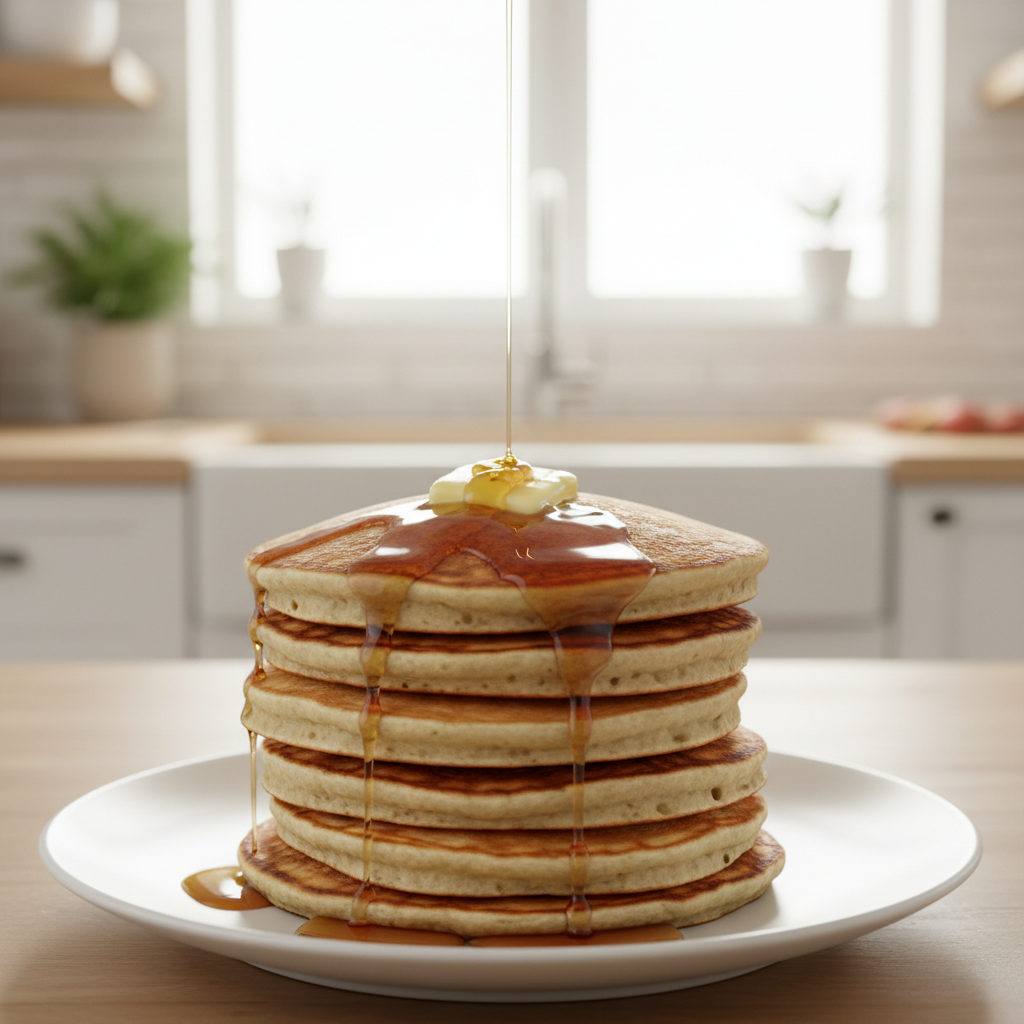
Below you’ll get a practical checklist to diagnose what’s going wrong, then a reliable method you can repeat on a sleepy Saturday without overthinking. I’ll also flag the common “helpful” moves that quietly sabotage fluffiness.
Why pancakes turn flat or tough (the usual culprits)
Most pancake problems trace back to structure and moisture. You want a batter that traps gas, sets gently, and stays tender.
- Old baking powder or baking soda makes weak lift, so the pancakes spread and cook dense.
- Overmixing develops gluten, which is great for bread, not for soft pancakes.
- Batter too thin runs outward before it can rise, leaving a crepe-like result.
- Pan too hot browns the outside fast while the middle stays undercooked, pushing you to flip early and press down.
- Skipping a rest can leave flour under-hydrated and bubbles underdeveloped, especially with thicker batters.
According to USDA Food Safety and Inspection Service, foods made with eggs should be cooked to safe internal temperatures, so you want pancakes cooked through rather than browned on the outside and raw inside.
A quick self-check before you change your recipe
Before buying new ingredients or hunting a new “best” formula, run these fast checks. They usually point straight to the fix.
Ingredient checks
- Is your baking powder fresh? If it’s been open for months, it may underperform. If you’re unsure, replacing it is often the simplest move.
- Are you measuring flour consistently? Scooping straight from the bag often packs flour, making batter dry and heavy. Spoon into the cup and level, or use a kitchen scale if you have one.
- Are your eggs and dairy very cold? Extremely cold ingredients can make melted butter clump and batter mix unevenly.
Technique checks
- Does your batter look like it was “whisked smooth”? That’s a red flag. A few small lumps are not only fine, they’re often preferable.
- Do your pancakes spread fast the moment batter hits the pan? Batter likely too thin or pan too hot.
- Do you press pancakes after flipping? It squeezes out the air you worked to build.
The fluffy-and-soft pancake method (repeatable, not fussy)
This method works with most classic American pancake recipes. You’re not reinventing breakfast, you’re controlling the moments where texture is won or lost.
Step 1: Mix dry and wet separately
- In one bowl: flour, baking powder, salt, sugar.
- In another: eggs, milk or buttermilk, melted butter (cooled a bit), vanilla if using.
Pour wet into dry and switch to a spoon or spatula, not a whisk, you want fewer strokes and less gluten development.
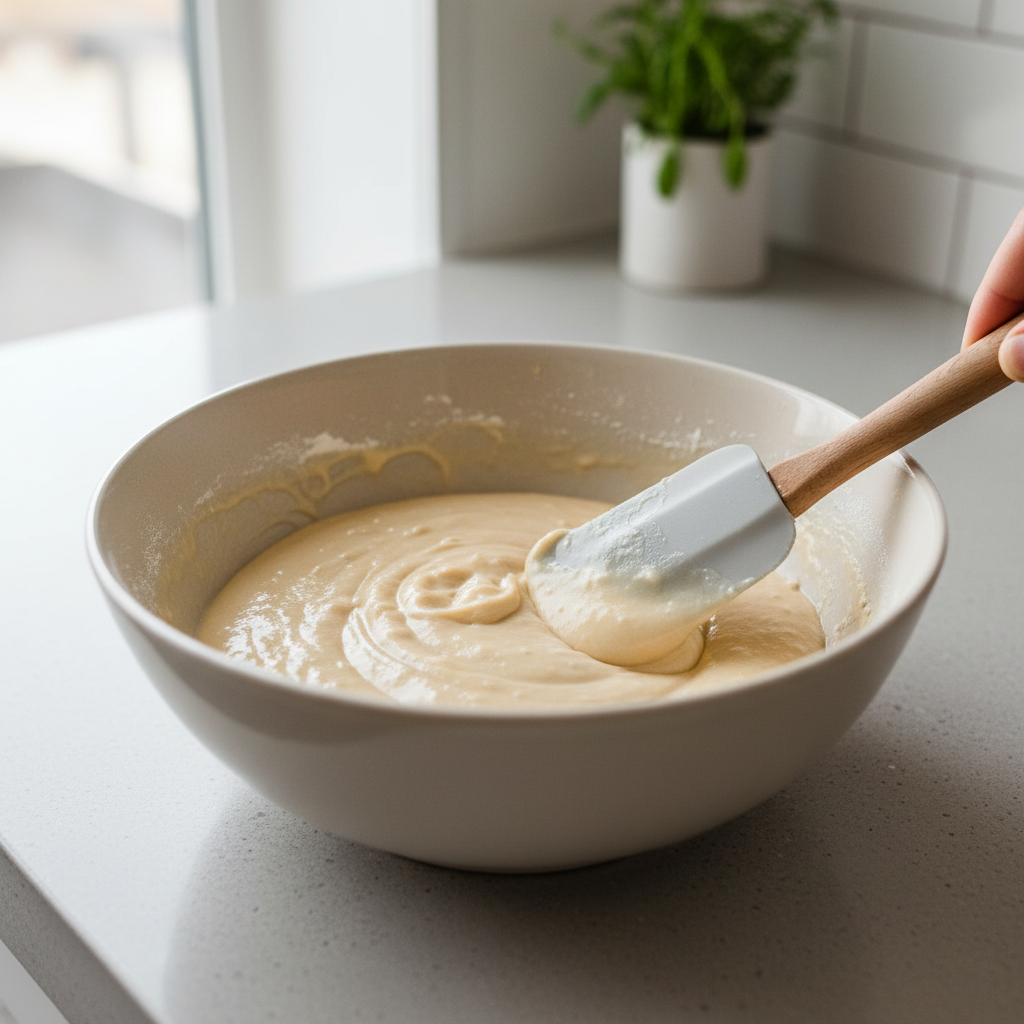
Step 2: Stop mixing earlier than you think
When you’re learning how to make pancakes fluffy and soft, this is the hardest habit to build. Mix until you stop seeing dry flour, then stop. The batter should look thick, slightly lumpy, and airy.
Step 3: Rest the batter 5–10 minutes
This short rest lets flour hydrate and bubbles stabilize, so pancakes rise more evenly. If you’re using buttermilk, the rest often helps the batter feel silkier without extra mixing.
Step 4: Preheat to medium or medium-low
A steady, moderate surface heat gives the inside time to set without drying out. If your pan smokes, it’s too hot for pancakes.
Step 5: Cook, flip once, and leave them alone
- Lightly grease the pan, then wipe excess so you don’t fry the edges.
- Scoop batter and let it settle naturally.
- Flip when bubbles form and pop across the surface and the edges look set, not when you “feel impatient.”
- Cook the second side a bit shorter than the first.
Key ratios and a simple batter thickness guide
People chase fluffiness with extra baking powder, but batter thickness and mixing matter just as much. Use this as a reality check if your results swing week to week.
| What you see | What it usually means | Quick fix |
|---|---|---|
| Batter pours like heavy cream | Often too thin | Add 1–2 tbsp flour, rest 5 minutes |
| Batter drops in thick ribbons | Good for tall pancakes | Cook on medium, flip once |
| Batter feels like dough | Often too thick or overmeasured flour | Add a splash of milk, fold 3–4 turns |
| Pancakes brown fast, center wet | Heat too high | Lower heat, extend cook time |
Practical cue: if your ladle leaves a slow-filling trail in the bowl, you’re close to the “fluffy stack” zone.
Ingredient tweaks that actually help (and when to use them)
Once your technique is solid, small ingredient choices can push texture in the direction you want. Don’t stack all of these at once, change one thing so you can tell what worked.
Buttermilk (tender + flavorful)
Buttermilk adds acidity and helps pancakes stay soft. If you swap from milk to buttermilk, many recipes pair it with baking soda for extra lift, but follow your recipe’s balance rather than guessing.
Separate and whip egg whites (extra lift, slightly drier if overdone)
Whipping whites and folding them in can make pancakes taller. It also adds a “soufflé-like” vibe that not everyone wants, so it’s great for brunch days, less necessary for everyday pancakes.
A little extra fat (softer mouthfeel)
Butter or neutral oil improves tenderness, but more isn’t always better, too much can weigh the crumb down. If your pancakes taste dry, a modest increase often helps more than extra sugar.
Don’t overdo leavening
More baking powder can cause pancakes to rise fast, then collapse and taste a bit bitter or soapy. If you’re troubleshooting, check freshness before increasing quantity.
Common mistakes that quietly ruin fluffiness
- Beating batter until perfectly smooth: that “smooth” look usually signals overmixing.
- Letting batter sit too long: a short rest helps, but a long sit can reduce lift as bubbles escape.
- Re-flipping pancakes: it deflates the structure and dries the surface.
- Pressing with a spatula: it makes pancakes look done faster but turns them tighter and less airy.
- Cooking on high heat to “save time”: this often backfires, you get dark outsides and a gummy center.
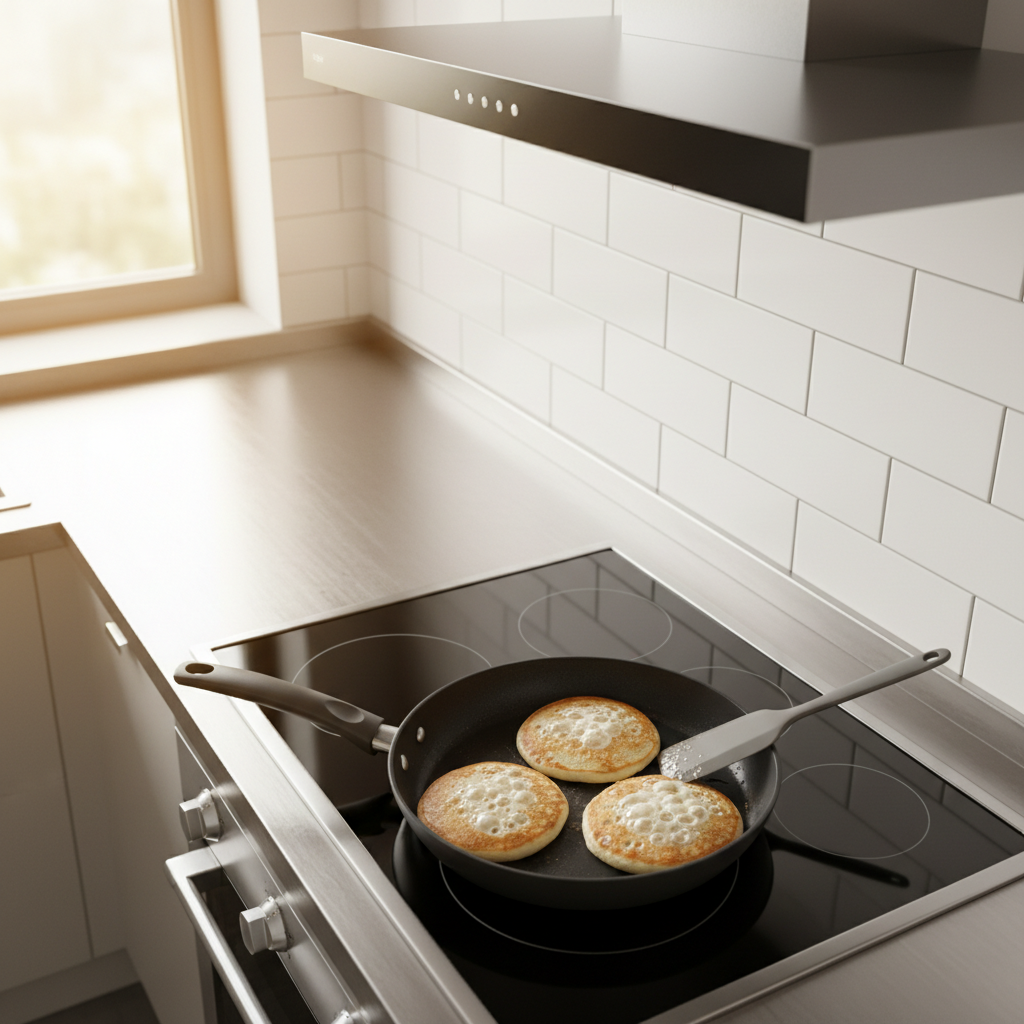
Key point: the fastest path to soft pancakes is usually fewer “fixes,” not more steps.
Real-world troubleshooting: fix what you see on the plate
If you’re still not getting the texture you want, match the symptom to the most likely cause, then adjust one variable.
Pancakes are thick but tough
- Likely cause: overmixing or too much flour.
- Try: mix less, rest 5–10 minutes, spoon-and-level flour measurement.
Pancakes are pale and dry
- Likely cause: heat too low for too long, or batter too thick.
- Try: increase heat slightly, thin batter with a small splash of milk.
Pancakes taste “chemical” or bitter
- Likely cause: too much baking powder/soda, or uneven mixing.
- Try: reduce leavening to recipe baseline, mix just to combine, replace old leavening.
Pancakes rise then collapse
- Likely cause: pan too hot, or too much leavening.
- Try: lower heat, avoid extra baking powder, don’t re-flip.
Conclusion: a simple routine for fluffy, soft pancakes
If you want to make pancakes that feel light but still moist, focus on the boring stuff that works: keep leavening fresh, mix gently, rest briefly, and cook on steady medium heat. That’s the core of how to make pancakes fluffy and soft without chasing complicated hacks.
Next time, pick one change you can commit to, most people see a big difference just from stopping the mix earlier and lowering the heat a notch. If you want, write your “ideal batter look” on a sticky note for the first couple rounds, then it becomes muscle memory.