
how to make guacamole authentic easy comes down to a few small choices that most recipes gloss over, avocado ripeness, salt timing, and what you leave out.
If you have ever followed a “5-minute guacamole” recipe and still ended up with something flat, watery, or weirdly bitter, you are not alone, guacamole is simple, but it is not mindless. The good news is you do not need fancy tools, and you do not need to drown it in spices to make it taste real.
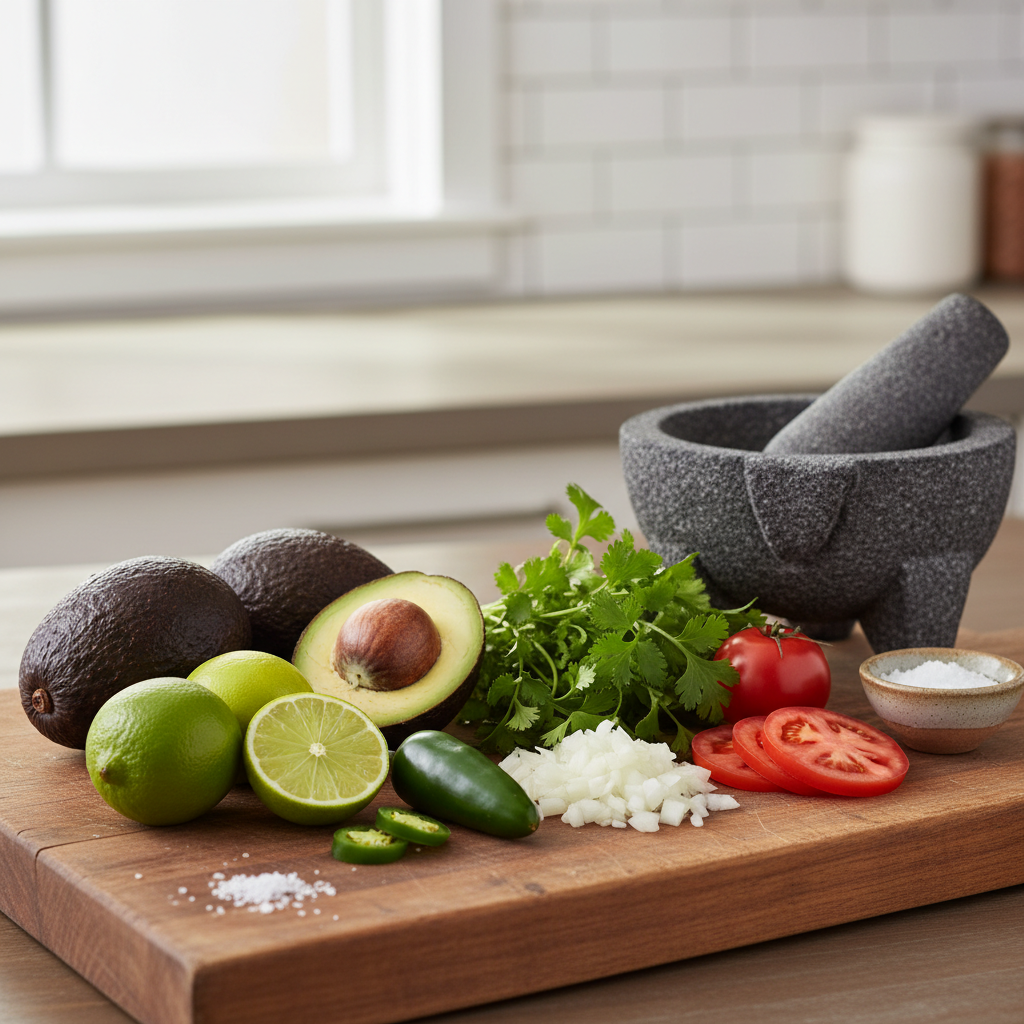
In this guide, I will walk you through what “authentic” usually means in U.S. kitchens without pretending there is only one true version, then you will get a reliable base recipe, smart variations, and a quick troubleshooting section for the common heartbreak moments, brown guac, bland guac, and guac that turns soupy.
What “authentic” guacamole usually means (and what it doesn’t)
Most people searching for an authentic version want something that tastes bright, clean, and avocado-forward, not a heavy dip that feels like salad. In many Mexican home-style versions, the ingredient list stays short, and the seasoning stays honest.
Typically “authentic” leans toward mashed avocado, salt, lime, and a little heat, with onion and cilantro used with restraint. Tomato is common in plenty of households, but it is not mandatory, and garlic or cumin are often skipped because they can take over.
What it usually does not mean is sour cream, mayonnaise, or lots of pre-mixed seasoning packets. Those can be tasty, but they change the texture and the flavor profile into something closer to a creamy dip than guacamole.
The ingredient short list that makes the biggest difference
Guacamole has nowhere to hide, so each ingredient needs to pull its weight. If you want how to make guacamole authentic easy to feel realistic on a weeknight, start with these basics and keep them fresh.
- Hass avocados: creamy, nutty, and reliable. Look for dark skin that yields slightly when pressed, not mushy.
- Lime: adds brightness, but it is not only about “preventing browning.” It also balances fat with acidity.
- Kosher salt: brings out avocado flavor fast, and helps onion taste less harsh.
- Onion (white or red): adds bite, but use less than you think.
- Cilantro: optional but common, adds that fresh, green top note.
- Jalapeño or serrano: choose based on heat tolerance, serrano tends to feel sharper.
- Tomato (optional): use firm tomato, remove watery seeds if you want a thicker dip.
According to USDA FoodData Central, avocados are naturally high in fat, which is part of why guacamole tastes satisfying, that also means the right acid and salt matter more than piling on spices.
Authentic easy guacamole recipe (base version)
This is the “don’t overthink it” version you can repeat. It is quick, but it still tastes intentional.
Ingredients (serves 4 as a snack)
- 3 ripe Hass avocados
- 1 to 2 Tbsp fresh lime juice, to taste
- 1/2 tsp kosher salt, plus more as needed
- 2 to 4 Tbsp finely chopped white onion
- 1 small jalapeño or serrano, finely chopped (remove seeds for less heat)
- 2 Tbsp chopped cilantro (optional)
- 1/2 cup diced Roma tomato (optional, drained)
Method
- Cut avocados, remove pits, scoop into a bowl. Mash with a fork until you get the texture you like, chunky tends to taste more “real” than perfectly smooth.
- Sprinkle in salt, then add lime juice. Taste early, because salt and acid set the foundation.
- Fold in onion and chile, then cilantro. Add tomato last if using.
- Rest 5 minutes, then taste again, adjust salt or lime in small increments.
Key point: salt goes in before you chase flavor with extra lime or extra heat, many “bland guac” problems are simply under-salted avocado.
Texture and flavor choices (so it tastes like your favorite taqueria)
When people say they want guacamole that tastes “like a restaurant,” they usually mean one of three profiles, bright and chunky, smooth and spoonable, or spicy and punchy. Pick your lane, then adjust with purpose.
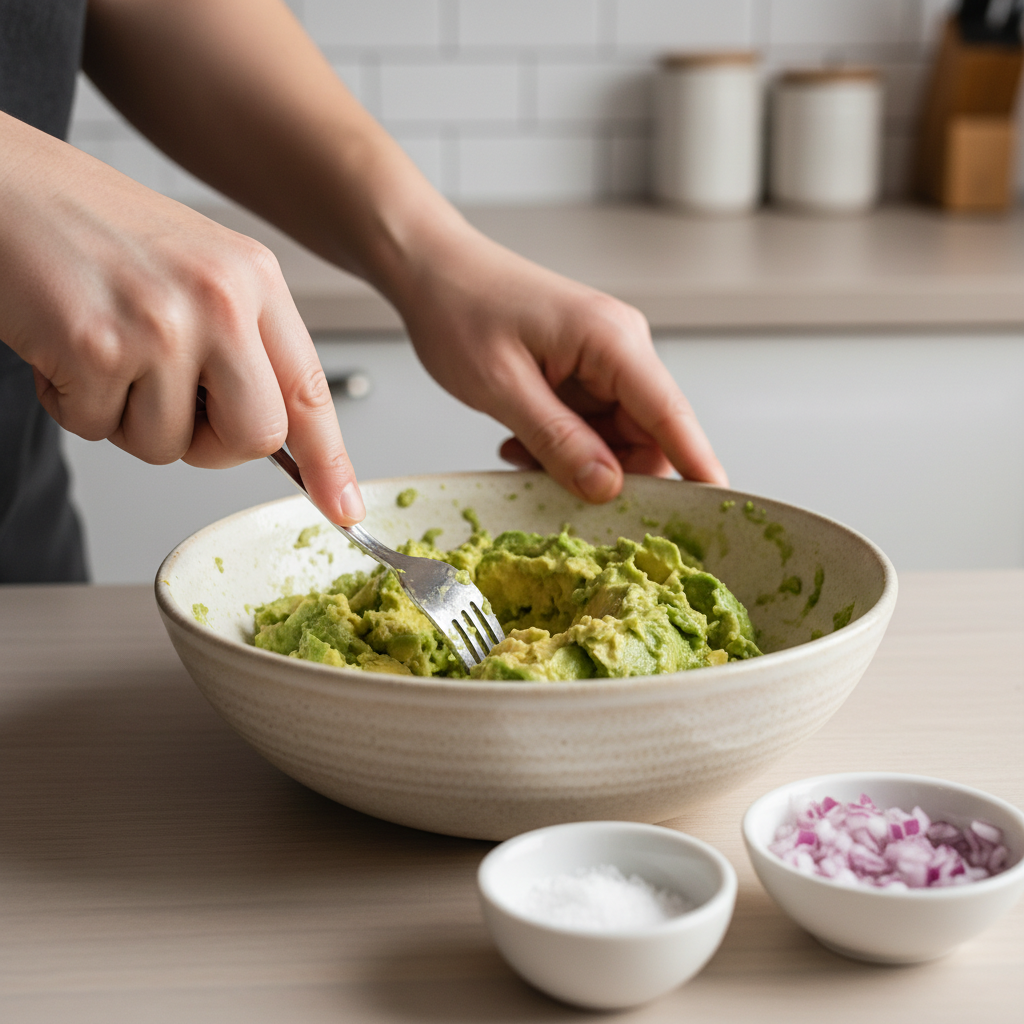
Chunky and fresh: mash less, cut onion finer, keep tomato minimal, and use lime sparingly so it stays creamy.
Smooth and cohesive: mash more, or use a mortar and pestle style approach. A molcajete can add a subtle texture and helps meld onion, chile, and salt before the avocado goes in.
Spicier without tasting “peppery”: use serrano, and let it sit 10 minutes before serving. Heat often tastes sharper right away, then rounds out.
Quick self-check: why your guacamole tastes off
If you want how to make guacamole authentic easy and repeatable, you need a fast way to diagnose problems without starting over. Use this checklist while you taste.
- Tastes flat: likely needs salt, not more lime. Add a pinch, mix, wait 1 minute, taste again.
- Tastes bitter: avocado may be overripe, or you used too much lime pith, or you added garlic powder or cumin too aggressively.
- Tastes watery: tomato released juice, or avocados were very soft. Drain tomato, and fold it in right before serving.
- Tastes too sharp: onion or lime is dominating. Chop onion finer, rinse briefly, or add more avocado to rebalance.
- No “spark”: add a bit more lime and a tiny pinch of salt together, not one at a time, they work as a pair.
Make-ahead, storage, and browning (what actually works)
Guacamole browns because oxygen hits the surface, lime helps a little, but air exposure is the real driver. If you store it well, it still tastes good the next day, though the flavor is always best fresh.
- Best method: press plastic wrap directly onto the guacamole surface, then seal with a lid.
- Alternate: smooth the surface, add a thin layer of water, cover, refrigerate, then pour off water and stir before serving.
- Pit trick: leaving pits in the bowl looks nice, but it only protects the spot it touches, do not rely on it.
According to FDA guidance on cut produce safety, refrigerating perishable dips promptly helps reduce food-safety risk. If guacamole sits out for a long time at a party, it is safer to replace it with a fresh bowl rather than keep topping it off.
Customization table: keep it authentic, still match your meal
Here is a practical way to tweak flavor without drifting into “mystery dip.” Pick one or two changes, not six.
| Goal | What to change | Why it works |
|---|---|---|
| More heat | Add serrano, keep seeds, rest 10 minutes | Builds a cleaner burn without extra spices |
| Less onion bite | Soak chopped onion in cold water 5 minutes, drain well | Softens harshness while keeping crunch |
| Thicker texture | Skip tomato or de-seed and drain it | Reduces excess moisture |
| More “green” flavor | Add extra cilantro and a pinch of salt | Boosts freshness without changing core taste |
| Brighter, not sour | Add lime in 1 tsp steps, salt after each step | Prevents over-acidic guac |
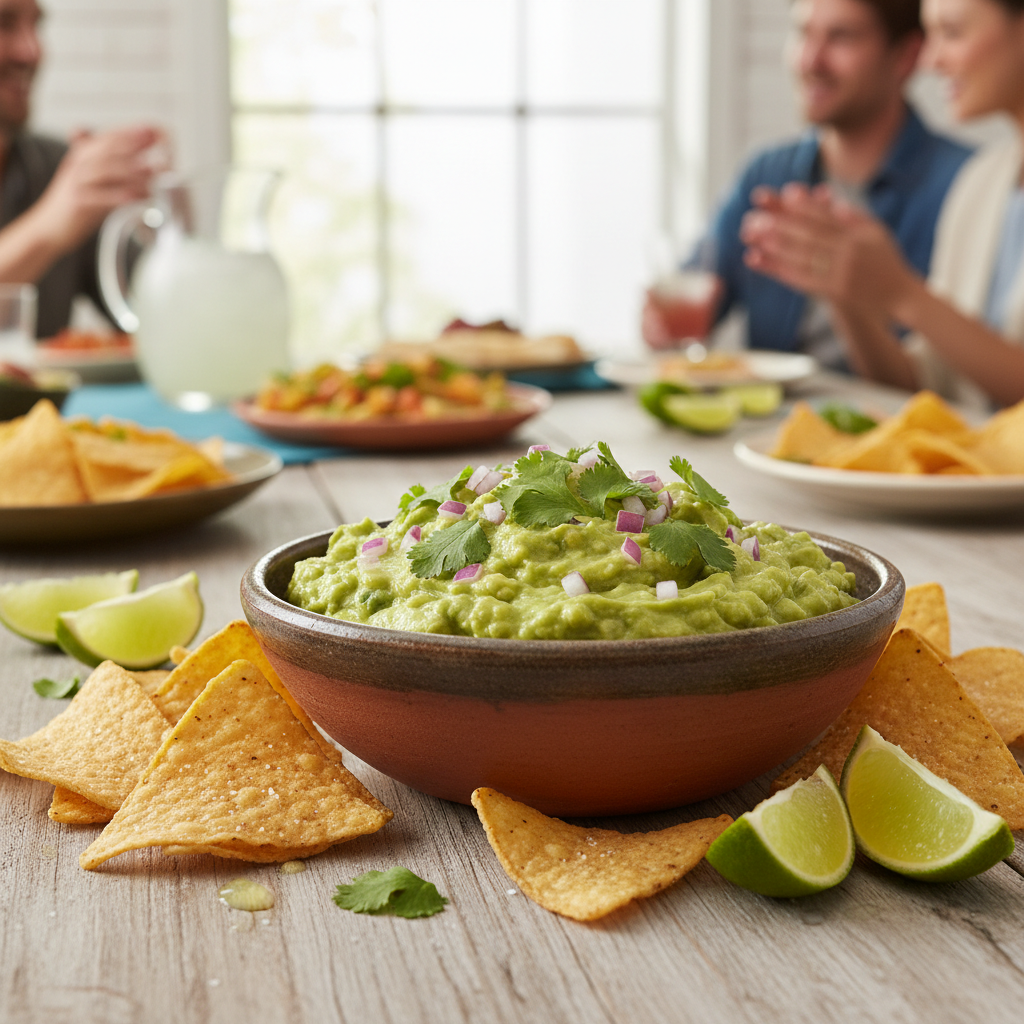
Practical serving tips (small things people notice)
Guacamole feels “authentic” when it tastes balanced and looks fresh, not when it has a long ingredient list. A few habits help.
- Serve at cool room temp: straight-from-fridge guac can taste muted, let it sit 10 to 15 minutes if food safety conditions allow.
- Finish with a tiny pinch of salt on top right before serving, it wakes up the first bite.
- Pair smart: salty chips, tacos al pastor, grilled chicken, or a simple bean bowl all work because they let avocado shine.
Key takeaways and next step
If you want how to make guacamole authentic easy without turning it into a project, focus on ripe Hass avocados, salt early, lime carefully, and keep add-ins disciplined. Once you lock in that base, the “restaurant taste” becomes repeatable at home.
Make one batch using the base recipe, taste it before adding tomato or extra lime, then write down what you changed so next time you are not guessing. That small habit is what turns guacamole from random to reliable.