
Herb recipes get a lot easier once you stop treating fresh herbs like a “garnish problem” and start using them as a main flavor tool. If your cilantro turns to slime or your basil goes black before you finish it, you’re not alone, most home cooks buy a bunch for one dish and then watch the rest disappear.
This guide focuses on practical, repeatable ways to cook with fresh herbs: a few fast sauces, smart combinations, and flexible recipes you can reuse across chicken, fish, vegetables, grains, and eggs. You’ll also get storage moves that usually buy you extra days, which matters more than hunting for complicated ideas.
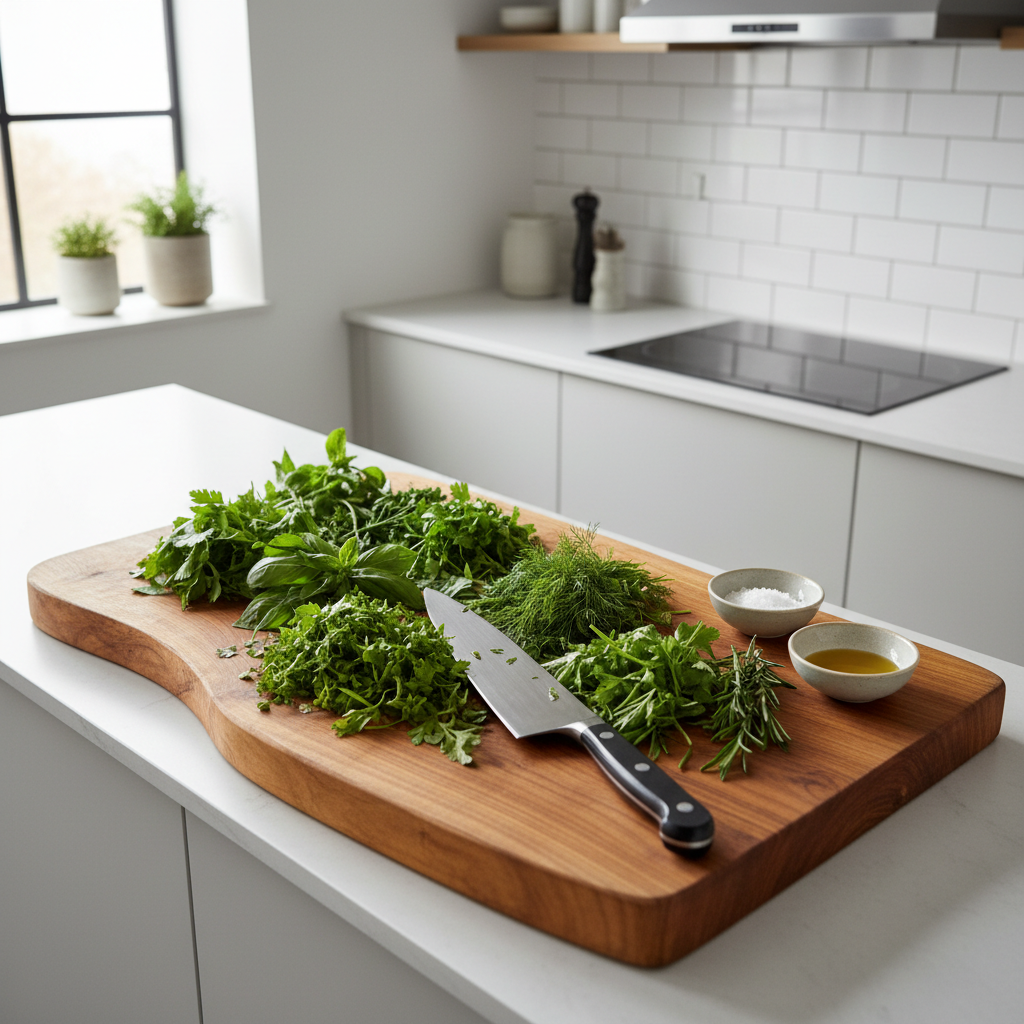
One quick note on expectations: fresh herbs can taste sharper or more delicate depending on variety and season, so treat the measurements as a starting point. Adjust as you go, your palate is the real measuring cup here.
Why fresh herbs feel hard to use (and how to fix that mindset)
Most “I don’t know what to do with herbs” frustration comes from a few predictable traps, not from a lack of cooking skill.
- You buy too many stems for one recipe, then the leftovers don’t match your weekly meals.
- You use herbs at the wrong time, delicate herbs lose aroma if cooked too long, woody herbs can taste raw and piney if tossed in at the end.
- You don’t have a default herb plan, without 2–3 go-to sauces or mixes, the bunch sits in the drawer until it’s too late.
- Storage is slightly off, a damp bag or dry fridge air can both ruin herbs fast.
According to USDA Food Safety and Inspection Service (FSIS), rinsing produce under running water and drying it helps reduce dirt and some surface microbes. For herbs, drying well also helps them last longer, excess moisture is often the real spoiler.
Quick self-check: which herb situation are you in?
Before you pick a recipe, figure out what you’re trying to solve. Different problems need different moves.
- “I have a half-bunch left”: make a sauce or compound butter, then use it across the week.
- “Herbs keep dying in my fridge”: change storage style (jar method vs wrapped method), and stop washing everything at once.
- “I want flavor, not salad vibes”: lean on woody herbs (rosemary, thyme, sage) and heat-friendly techniques.
- “I need a fast dinner”: choose recipes that use herbs as the main flavor so you don’t need extra spices.
If you’re cooking for someone with allergies or on medication that interacts with certain herbs, it’s worth checking with a clinician or pharmacist, especially with concentrated forms like herbal supplements. Culinary amounts in food are usually different, but personal situations vary.
Fresh herb storage that actually works (without being fussy)
Good storage is the hidden shortcut behind most successful herb recipes. Here are two methods many home cooks rotate between.
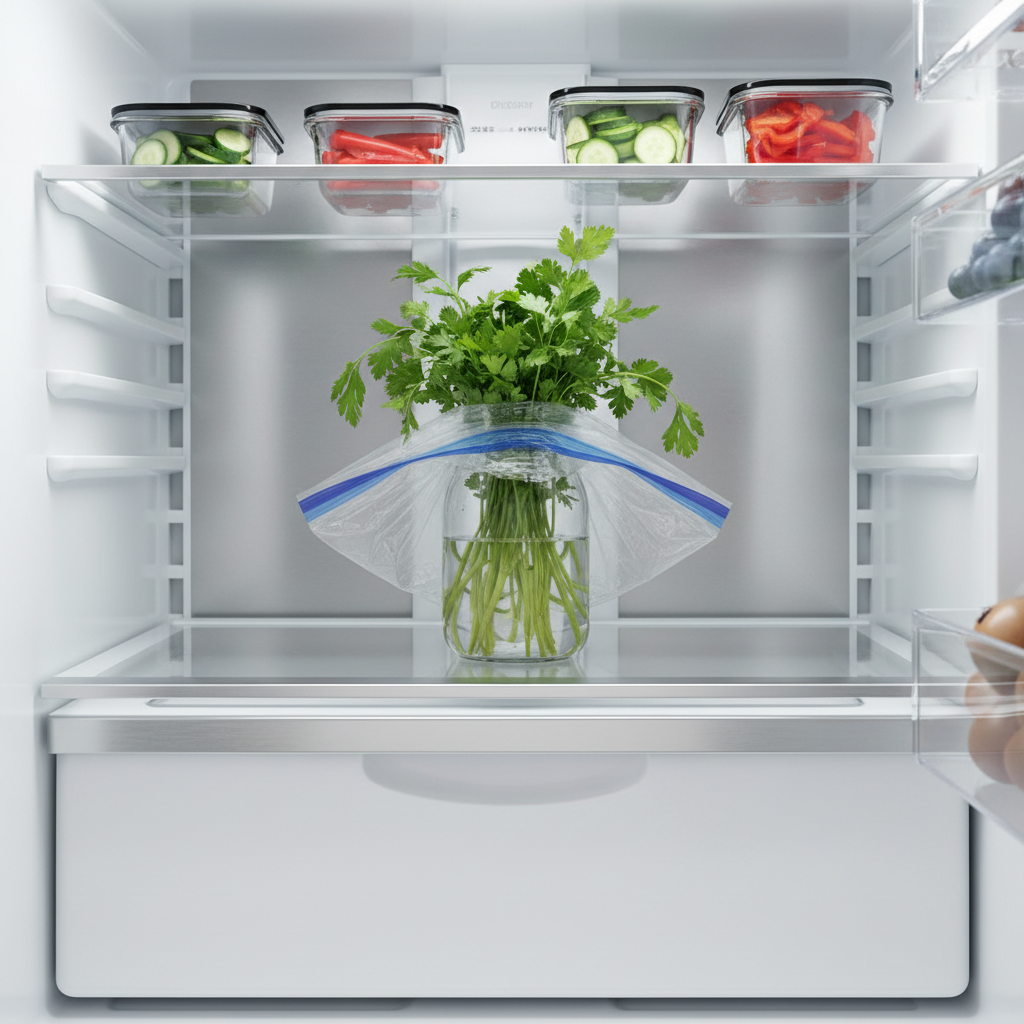
Method A: “Bouquet in a jar” (best for parsley, cilantro, dill, mint)
- Trim stem ends, like you would for flowers.
- Stand herbs in a jar with 1–2 inches of water.
- Loosely cover the top with a plastic bag.
- Refrigerate, change water when it looks cloudy.
Method B: “Dry wrap” (best for basil sometimes, chives, tarragon)
- Leave herbs unwashed until you’ll use them.
- Wrap in a barely damp paper towel, then place in a container or bag.
- Keep away from the coldest back wall of the fridge to reduce freeze damage.
Basil is the tricky one. In many kitchens, basil bruises from cold, so some people keep it at cool room temperature like flowers. Your home temperature matters, if it’s hot, basil can still wilt quickly, so test what works in your space.
Flavor map: what herbs go with what (use this table weekly)
When you’re improvising, pairing is half the battle. This cheat sheet keeps herb recipes from feeling random.
| Herb | Best with | Fast use | Timing tip |
|---|---|---|---|
| Parsley | Chicken, potatoes, beans, lemon | Chimichurri-ish sauce | Add at end for freshness |
| Cilantro | Tacos, rice, shrimp, lime | Cilantro-lime yogurt | Mostly off-heat |
| Basil | Tomatoes, eggs, mozzarella, berries | No-cook basil oil | Off-heat to keep aroma |
| Dill | Salmon, cucumbers, potatoes, yogurt | Dill pickle-style dressing | Add late, heats out fast |
| Rosemary | Roasted chicken, lamb, mushrooms | Rosemary salt | Early in cooking is fine |
| Thyme | Soups, roasted veg, butter sauces | Thyme-lemon pan sauce | Early or mid-cook |
5 flexible fresh herb recipes you’ll actually repeat
These are designed for real weeknight cooking: minimal steps, forgiving measurements, and they use a meaningful amount of herbs so you make progress on the bunch.
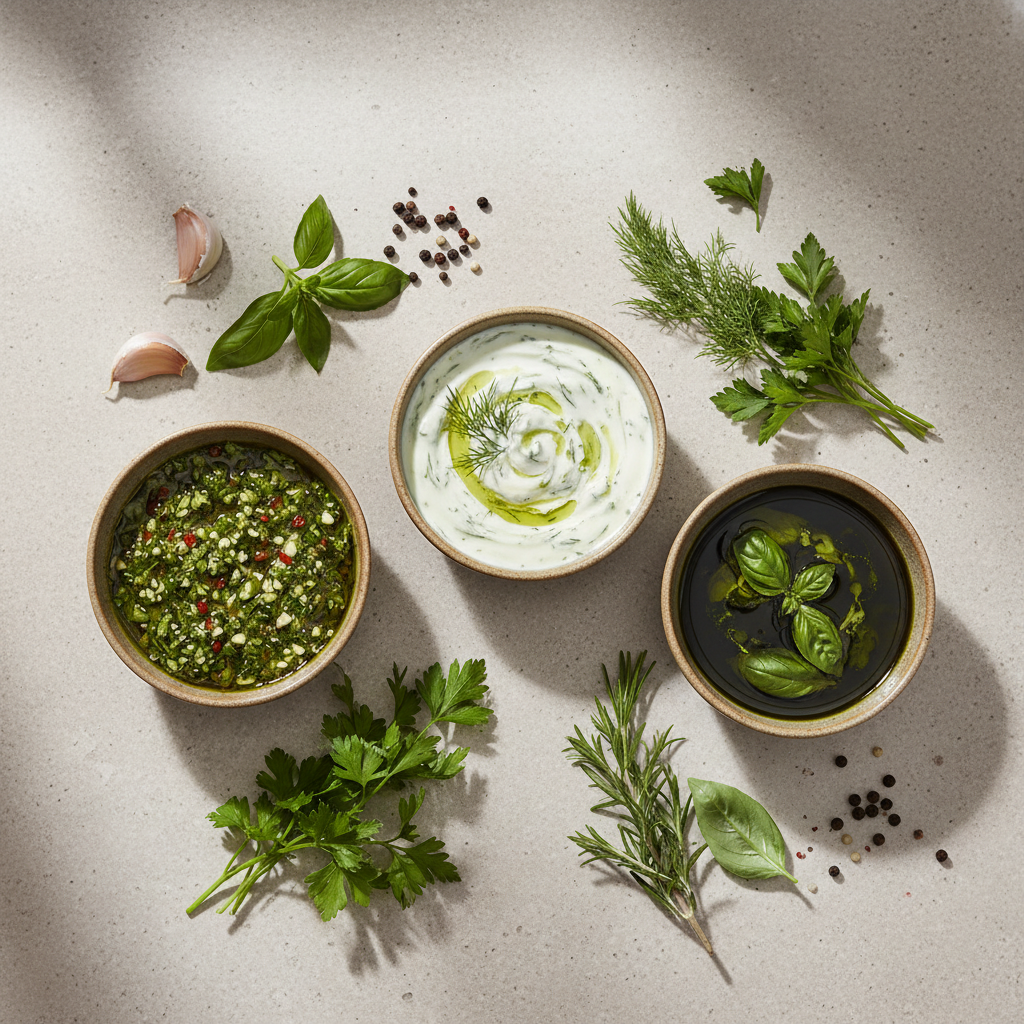
1) Weeknight green herb sauce (works like chimichurri)
Use for: grilled chicken, steak, roasted vegetables, grain bowls.
- 1 packed cup parsley (or mix parsley/cilantro)
- 1 small garlic clove, grated
- 2–3 tbsp olive oil
- 1–2 tbsp red wine vinegar or lemon juice
- Salt, pepper, optional chili flakes
Chop herbs, stir everything, taste and adjust. If it feels harsh, add more oil; if it feels flat, add acid and salt. This is one of those herb recipes where “close enough” is the point.
2) Lemon-dill yogurt (cool, punchy, not just for fish)
Use for: salmon, roasted potatoes, chicken wraps, cucumber salad.
- 1/2 cup plain Greek yogurt
- 1/3 cup chopped dill
- 1 tsp lemon zest + 1 tbsp lemon juice
- Salt, pepper, optional grated garlic
Mix and let sit 10 minutes if you can. The dill mellows and the sauce thickens slightly, which is why it feels “restaurant-y” without extra work.
3) Basil-tomato pan eggs (breakfast-for-dinner friendly)
Use for: a fast meal that doesn’t require planning.
- Cherry tomatoes, halved
- Olive oil, salt
- 4–6 eggs
- 1 packed cup basil, torn
Sauté tomatoes in olive oil until they burst, crack eggs into the pan, cover until whites set. Turn off heat, then add basil. Basil likes gentler heat, it keeps more aroma that way.
4) Roasted chicken thighs with rosemary and lemon
Use for: meal prep, cozy dinners, low-effort hosting.
- Chicken thighs
- 1–2 tbsp chopped rosemary (or whole sprigs)
- Lemon slices, olive oil, salt, pepper
Roast at a hot oven temp until skin crisps and juices run clear. Rosemary is sturdy, it can handle longer cooking and still taste like something.
5) Cilantro-lime rice bowl topper (fast “finisher”)
Use for: rice, beans, shrimp, sheet-pan veggies.
- 1 cup cilantro, chopped
- 1 lime (zest + juice)
- 2 tbsp olive oil
- Pinch of salt
Stir and spoon over warm food right before serving. If cilantro tastes “soapy” to you, you’re not imagining it, that can be genetic, swap in parsley and keep the lime.
How to build your own herb recipe (a simple template)
Once you learn the pattern, you can improvise without Googling every time.
- Pick the herb role: background (thyme in soup) or headline (parsley sauce).
- Choose a base: oil, butter, yogurt, mayo, vinegar, or broth.
- Add one “sharp” element: lemon, vinegar, mustard, or garlic.
- Decide timing: woody herbs early, tender herbs late or off-heat.
For many herb recipes, the real win is finishing: a spoon of sauce, a handful of chopped herbs, a little zest. Food tastes brighter with minimal extra cooking.
Common mistakes that make fresh herbs taste disappointing
- Chopping too far ahead: cut herbs lose aroma quickly, chop close to serving when possible.
- Burning garlic with herbs: garlic can scorch fast; add herbs after garlic turns fragrant, not after it browns.
- Under-salting the dish: herbs amplify flavor, but salt still sets the baseline, taste and adjust.
- Using only one note: “all herb, no acid” often tastes grassy, a little lemon or vinegar usually fixes it.
Key takeaways: store herbs with intention, match timing to herb type, and keep one go-to sauce so your bunch never feels like a burden.
Practical meal plan: use one bunch across 3 days
If you want less waste, don’t hunt for five new dishes. Pick a mini-plan and repeat it.
- Day 1: Roast chicken thighs with rosemary and lemon, save pan juices.
- Day 2: Grain bowl with leftover chicken, top with green herb sauce.
- Day 3: Eggs in tomato pan, finish with basil or parsley and a squeeze of citrus.
This approach keeps herb recipes in your normal routine, instead of feeling like a special project you never repeat.
Conclusion: make herbs a habit, not a homework assignment
Fresh herbs reward small, consistent moves: one storage method you trust, one sauce you can make without measuring, and one timing rule you remember. If you pick just one action today, make a simple green herb sauce and use it on whatever you already planned for dinner.
If you want an even easier next step, put “one herb + one acid” on your grocery list this week, then decide the dish after you see what looks good at the store.
FAQ
What are the easiest herb recipes for beginners?
Start with no-cook sauces: a parsley-based green sauce, basil oil, or dill yogurt. They’re forgiving, and you taste the herb clearly, which helps you learn faster.
How do I use up a big bunch of parsley before it goes bad?
Turn it into a sauce or mix it into cooked grains with lemon and olive oil. Parsley is one of the best “bulk herbs” because it stays pleasant even in larger amounts.
Can I freeze fresh herbs for cooking?
Often yes, especially in oil or butter (like herb cubes). The texture won’t be great for garnishing, but for soups, sauces, and sautés it usually works well.
Why does basil turn black after I cut it?
Basil bruises easily and oxidizes. Use a sharp knife, avoid crushing it, and add it near the end of cooking. Storage temperature can also contribute.
Which herbs should be cooked longer, and which should be added at the end?
Woody herbs like rosemary and thyme handle longer cooking. Tender herbs like basil, cilantro, dill, and mint usually taste best added off-heat or right before serving.
Are dried herbs a good substitute in fresh herb recipes?
Sometimes, but the flavor is different: dried herbs read warmer and more concentrated, fresh herbs read brighter. If you substitute, start small and taste as you go.
What’s the fastest way to make dinner taste fresher with herbs?
Finish the plate: chop a small handful of herbs and add lemon zest or juice right before serving. It’s low effort, and the aroma hits immediately.
If you’re cooking regularly and still feel stuck, it may help to build a tiny “herb rotation” you actually enjoy, two sauces plus one roast or soup you repeat, so fresh herbs stop being a one-off purchase and start acting like a pantry staple.