
How to cook spinach healthy tasty usually comes down to two things people underestimate: moisture control and timing. If you treat spinach like a “set it and forget it” veggie, it turns watery, dull, and sometimes bitter.
The good news is you don’t need fancy ingredients, you just need a few reliable methods and a clear sense of when to add salt, acid, and heat. Once you get those right, spinach becomes one of the easiest weeknight greens to make craveable.
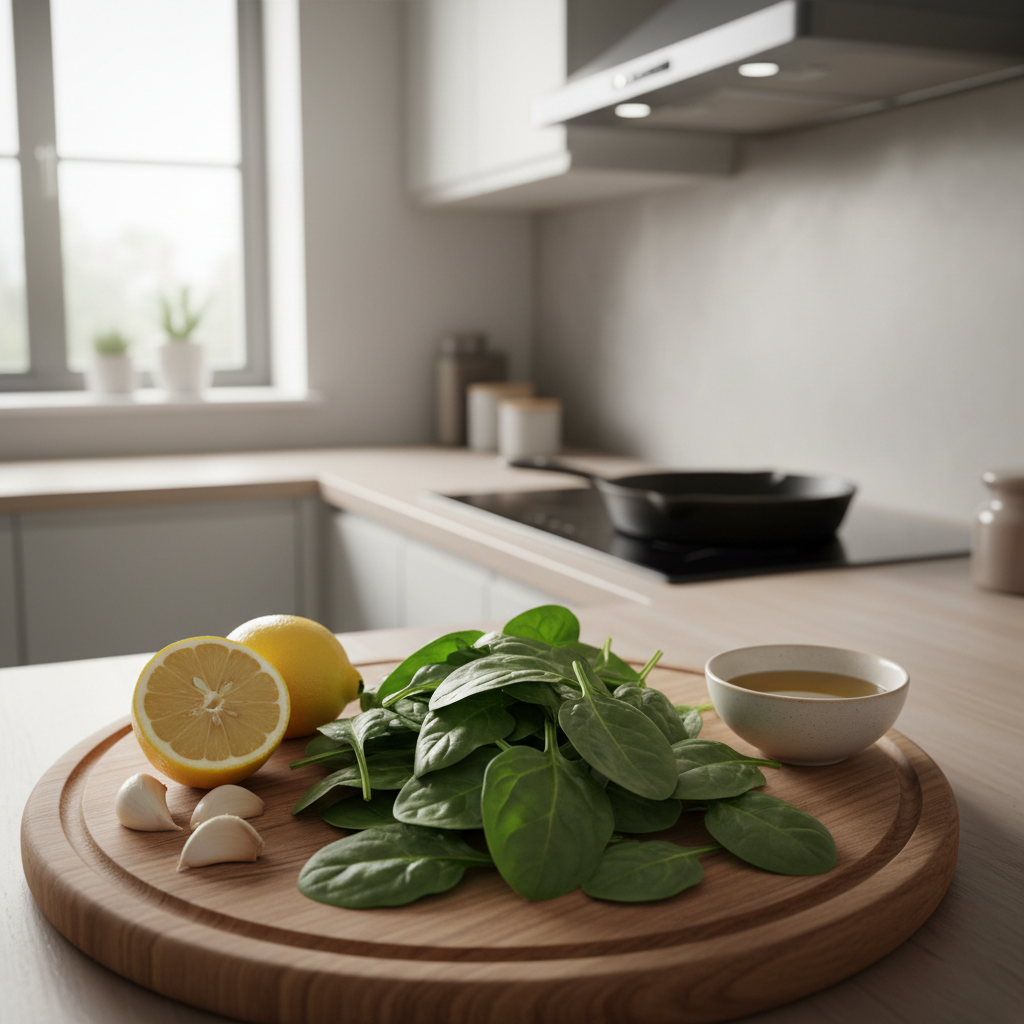
One common misconception: “healthy” spinach means plain steamed spinach. In real life, most people stick with spinach when it tastes good, and flavor often comes from technique, not heavy sauces.
This guide walks through the best cooking methods, a quick self-check to pick the right approach, plus practical seasoning combos that keep spinach bright, not soggy.
Why spinach turns soggy or bitter (and how to prevent it)
Spinach is mostly water, and it wilts fast. That’s a gift for quick meals, but it also means small mistakes show up immediately.
- Overcrowding the pan: too much spinach at once drops heat, so it steams in its own liquid instead of sautéing.
- Not drying washed leaves: extra water guarantees a watery pan and diluted flavor.
- Cooking too long: spinach goes from tender to limp quickly, and the color dulls.
- Salting too early: salt pulls water out, which can be fine, but it can also flood your pan if heat is low.
- No balancing flavor: spinach often likes a small hit of acid (lemon, vinegar) and fat (olive oil, yogurt) to taste “complete.”
According to USDA FoodData Central, spinach is naturally rich in nutrients like vitamin K and folate, so the goal is to cook it in a way you actually want to eat regularly, not punish yourself with bland greens.
Quick self-check: which spinach and which method should you use?
If you want spinach to taste good, pick the method that matches the spinach you have and the dish you’re making. This 30-second check prevents most frustration.
- Baby spinach (bagged, tender): best for quick sauté, wilting into pasta, eggs, soups.
- Mature spinach (bunches, thicker stems): better blanched, sautéed a bit longer, or braised.
- You need “dry spinach” for fillings: blanch then squeeze, or sauté hard and drain well.
- You want spinach as a side: fast sauté or steam, then finish with lemon/garlic.
- You’re sensitive to bitterness: blanch briefly, then shock in cold water, finish with fat + acid.
If your main goal is how to cook spinach healthy tasty for weeknight dinners, sautéing and blanching cover almost everything, with roasting as a bonus option when you want texture.
The best cooking methods (with times that actually work)
Sauté (fast, flavorful, least “sad”)
This is the everyday method for baby spinach. Use a wide pan so moisture can evaporate.
- Heat a skillet over medium-high, add 1–2 tsp olive oil.
- Add sliced garlic (optional) for 15–30 seconds, just until fragrant.
- Add spinach in big handfuls, toss with tongs.
- Cook 60–120 seconds until just wilted.
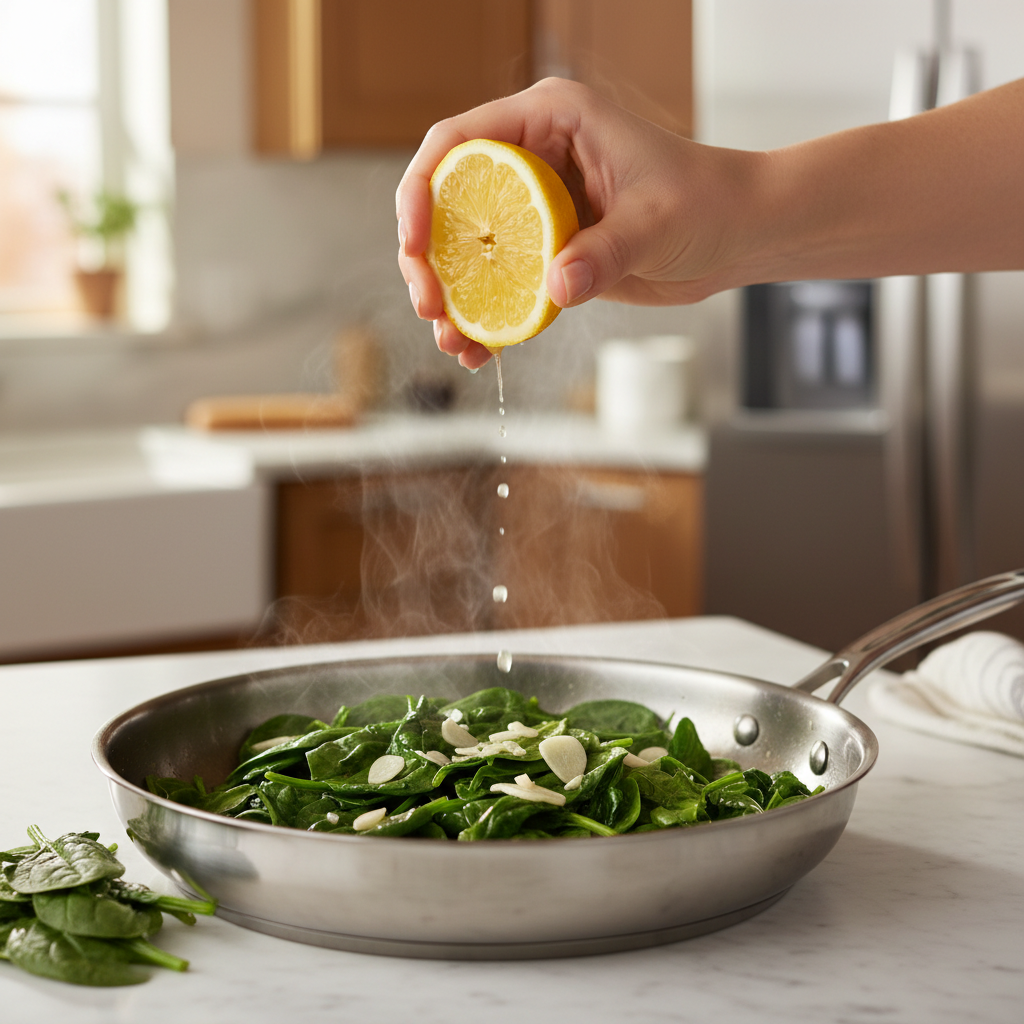
- Salt at the end, then finish with lemon juice or a splash of vinegar.
Tip: if liquid pools, raise heat a touch and keep tossing, you want evaporation, not simmering.
Blanch (best for bitterness + meal prep)
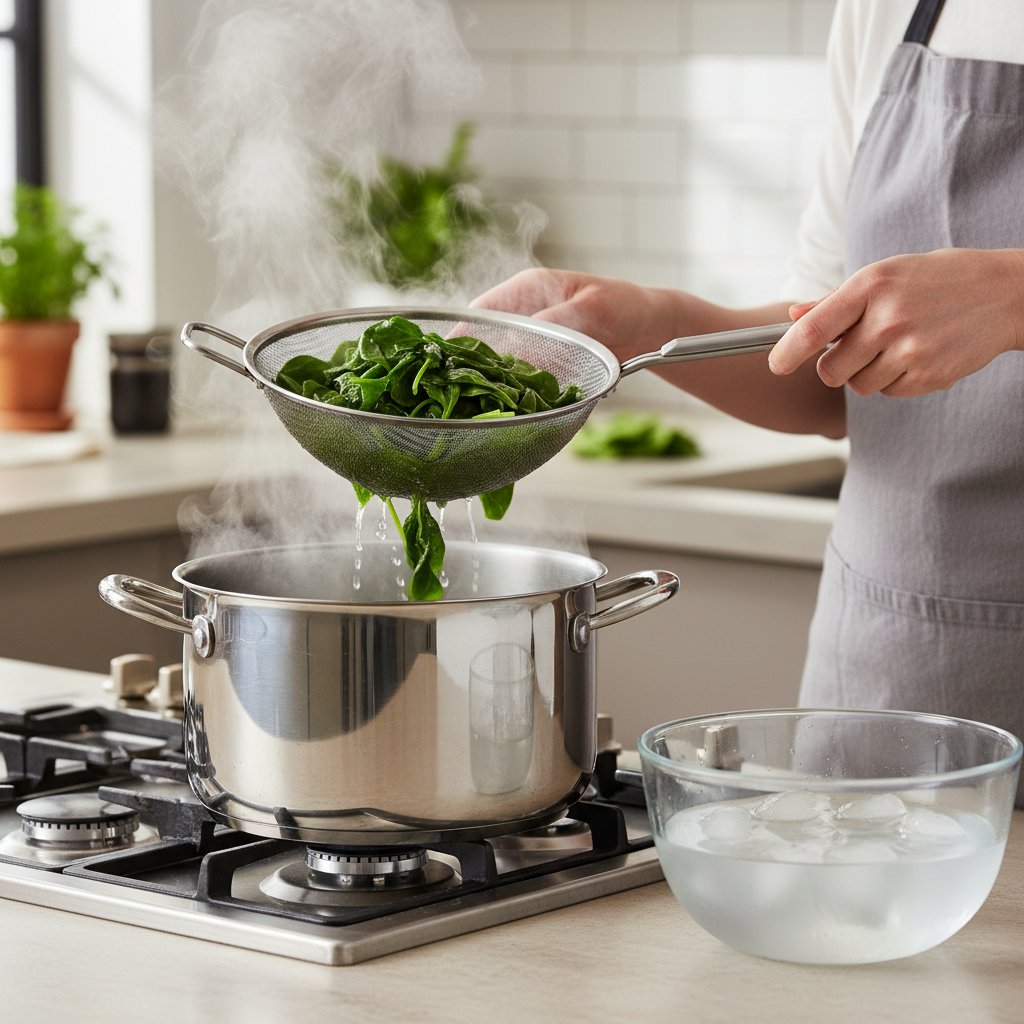
Blanching takes the edge off bitterness and sets the color, then you can use spinach in omelets, dips, or bowls.
- Boil salted water, add spinach for 15–45 seconds.
- Move immediately to ice water for 30 seconds.
- Drain, then squeeze very dry with clean towels.
- Season after: olive oil, lemon, pepper, and a pinch of salt.
Steam (gentle, but watch the water)
Steaming can be healthy, but it’s easy to under-season and overcook. Keep it short.
- Steam spinach 1–2 minutes until just wilted.
- Drain well, then add fat + acid so it tastes like food, not obligation.
Roast (when you want edges and texture)
This works best with sturdier leaves or as a mix with other veggies, because spinach can dry out quickly.
- Toss with olive oil, salt, pepper, optional paprika.
- Roast at 425°F for 6–10 minutes, watch closely.
Seasoning combos that keep spinach “healthy and tasty”
Spinach likes three things: savory aromatics, a little fat, and a bright finish. You can keep it light without making it boring.
- Garlic + lemon + olive oil: classic, fast, hard to mess up.
- Red pepper flakes + vinegar: great when spinach goes into beans or grains.
- Nutmeg + black pepper: small pinch, especially good for creamy dishes.
- Sesame oil (tiny) + soy sauce: go easy, add at the end to avoid over-salting.
- Greek yogurt + lemon zest: creamy feel with less heaviness than cream.
If you’re watching sodium, use more acid, aromatics, and toasted spices so you don’t rely on extra salt for flavor.
Spinach cooking cheat sheet (table)
Bookmark-style overview for picking a method based on the outcome you want.
| Goal | Best method | Time | What makes it taste better |
|---|---|---|---|
| Bright green, less bitter | Blanch + ice bath | 15–45 sec | Lemon + olive oil after squeezing dry |
| Fast weeknight side | Sauté | 1–2 min | Hot pan, finish with acid |
| Dry spinach for fillings | Blanch then squeeze (or hard sauté) | 2–4 min total | Drain well, then season boldly |
| Soft, gentle texture | Steam | 1–2 min | Drain, add fat + aromatics |
| Crispy edges (limited) | Roast | 6–10 min | Even coating of oil, watch closely |
Practical “do this tonight” steps for common meals
These are the situations where people most often ask how to cook spinach healthy tasty, because it’s easy to ruin an otherwise good dish with watery greens.
For eggs (scramble, omelet, frittata)
- Sauté spinach first until just wilted, then push to the side and pour eggs in.
- Or blanch and squeeze if you hate watery eggs.
- Finish with pepper and a tiny squeeze of lemon, surprisingly good.
For pasta
- Wilt spinach in the pan after you add pasta and a splash of pasta water.
- Add grated Parmesan or a spoon of ricotta for body, then lemon zest to lift it.
For soups and stews
- Add spinach at the end, heat off or very low, let residual heat wilt it.
- If the soup is acidic (tomato-heavy), add spinach even later to avoid dull color.
For bowls and meal prep
- Blanch, squeeze dry, then portion it so it doesn’t waterlog your grains.
- Dress lightly (olive oil + vinegar) right before eating, not days ahead.
Common mistakes (that feel small, but ruin the result)
- Using low heat and waiting: spinach releases water, so low heat often creates a puddle. A hotter pan cooks faster and cleaner.
- Skipping the final taste check: spinach can taste flat without acid. Lemon juice, vinegar, or even tomatoes help.
- Not adjusting for bagged spinach: it’s convenient, but it can be damp. Pat dry if you want a true sauté.
- Overdoing garlic: burned garlic turns bitter and people blame the spinach. Keep garlic moving, short cook time.
- For creamy dishes, adding dairy too early: reduce moisture first, then add yogurt/cheese so it doesn’t turn watery.
According to FDA guidance on food safety, it’s smart to rinse fresh produce under running water and follow safe handling practices; if you have a health condition that affects vitamin K intake (common with certain medications), it may be worth asking a clinician or registered dietitian how spinach fits your diet.
Key takeaways (quick recap)
- Dry leaves + hot pan keeps spinach from turning watery.
- Cook for minutes, not ages, spinach finishes fast.
- Salt late, add acid at the end for brighter flavor.
- Blanch and squeeze when you need spinach dry for fillings or meal prep.
If you want spinach you actually look forward to, choose one method and repeat it until it feels automatic, sauté for everyday meals, blanch for prep and bitterness control. Pick one seasoning combo you love, then build variety from there.
Your next step: cook a single batch using the sauté method, time it for 90 seconds, then finish with lemon and a pinch of salt, that simple test usually tells you what you’ve been missing.