
Walnut recipes can be the difference between “nice idea” and “wow, that crunch makes the whole dish,” but only if the nuts stay crisp and don’t taste bitter.
A lot of people buy walnuts for “healthy fats” and then end up sprinkling them raw on everything, which is fine, yet often a little flat. The better move is learning when to toast, when to candy, and when to grind them into a crust or sauce so you get texture and flavor, not just nutrition.
Below you’ll find practical, repeatable ways to keep walnuts crunchy across savory and sweet dishes, plus a few go-to recipes you can rotate through the week.
Why walnuts lose their crunch (and how to stop it)
The crunch problem usually comes down to moisture, timing, and heat control. Walnuts absorb humidity quickly, and once they sit in a wet salad or sauce, the texture drops fast.
What helps most is treating walnuts like a finishing ingredient, not a “mix it in early” ingredient. Add them at the end, store them correctly, and toast only what you’ll use in the next day or two.
- Moisture migration: salads, yogurt bowls, and saucy pastas soften nuts quickly, add walnuts right before serving.
- Under-toasting: pale walnuts taste mild, you want a deeper aroma and slightly darker color.
- Over-toasting: too hot or too long leads to bitterness, especially with already-old nuts.
- Old inventory: rancidity tastes like paint or stale oil, and it kills “fresh crunch.”
According to USDA, nuts are best stored in a cool, dry place, and for longer storage, refrigeration or freezing helps maintain quality.
A quick self-check: which walnut situation are you in?
Before you chase new recipes, figure out what’s actually going wrong in your kitchen. This takes two minutes and saves a lot of frustration.
- Your walnuts taste bitter even before cooking: likely old or stored warm, replace and store cold.
- They’re crunchy at first, then go soft on the plate: timing issue, add at the end or keep separate as a topper.
- They burn on the outside, raw inside: heat too high, use medium-low and stir more.
- You want crunch in baked goods but they “disappear”: pieces too small or batter too wet, use larger chunks or toast first.
Key point: most “crunch” problems aren’t about the walnut itself, they’re about when you introduce it to moisture.
The core technique: toast, season, store
If you only learn one thing for better walnut recipes, make it this workflow. It’s simple, but it’s the backbone of consistent crunch.
How to toast walnuts (stovetop and oven)
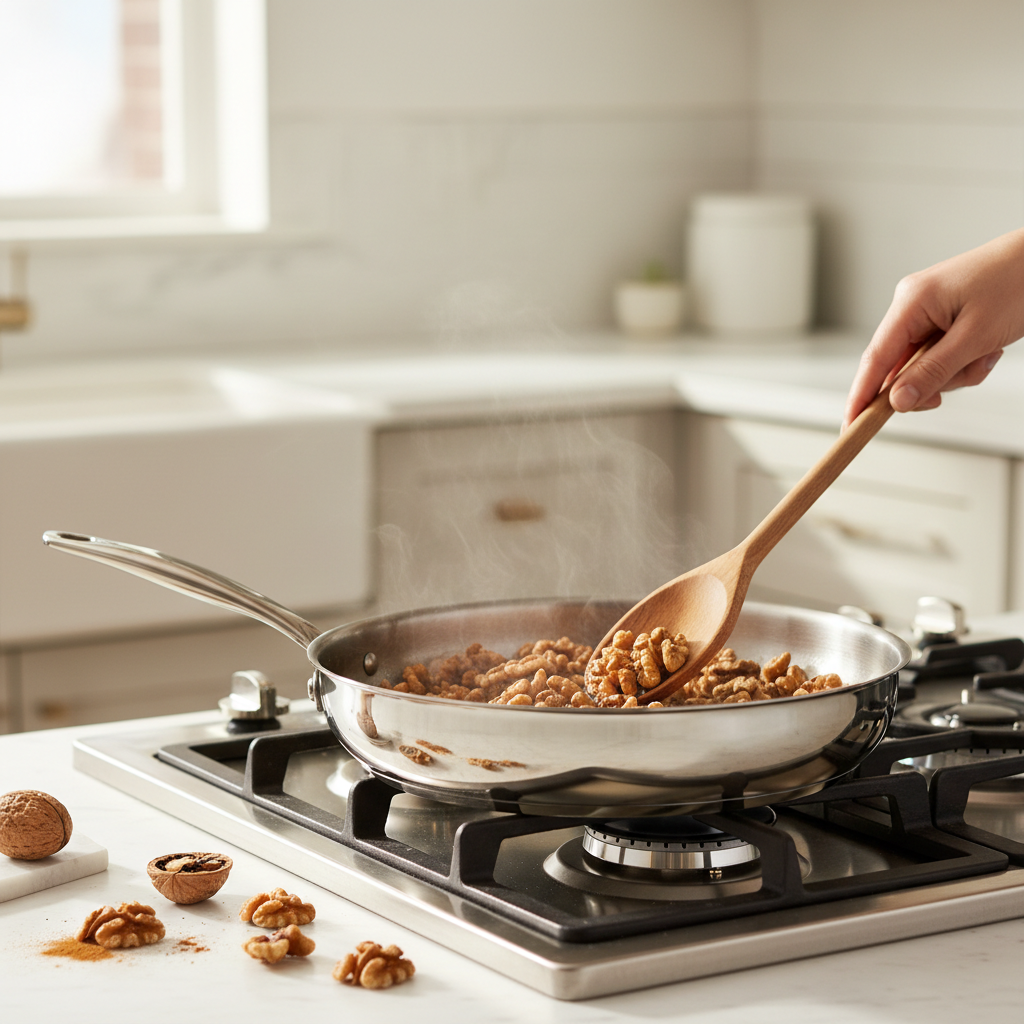
- Stovetop: medium-low heat, dry pan, 3–6 minutes, stir often. Pull them when they smell sweet and nutty, not “dark.”
- Oven: 325°F on a sheet pan, 8–12 minutes, stir once halfway. Watch closely near the end.
If you’re adding spices, do it while the walnuts are warm so flavors stick. A tiny pinch of salt helps even for sweet uses.
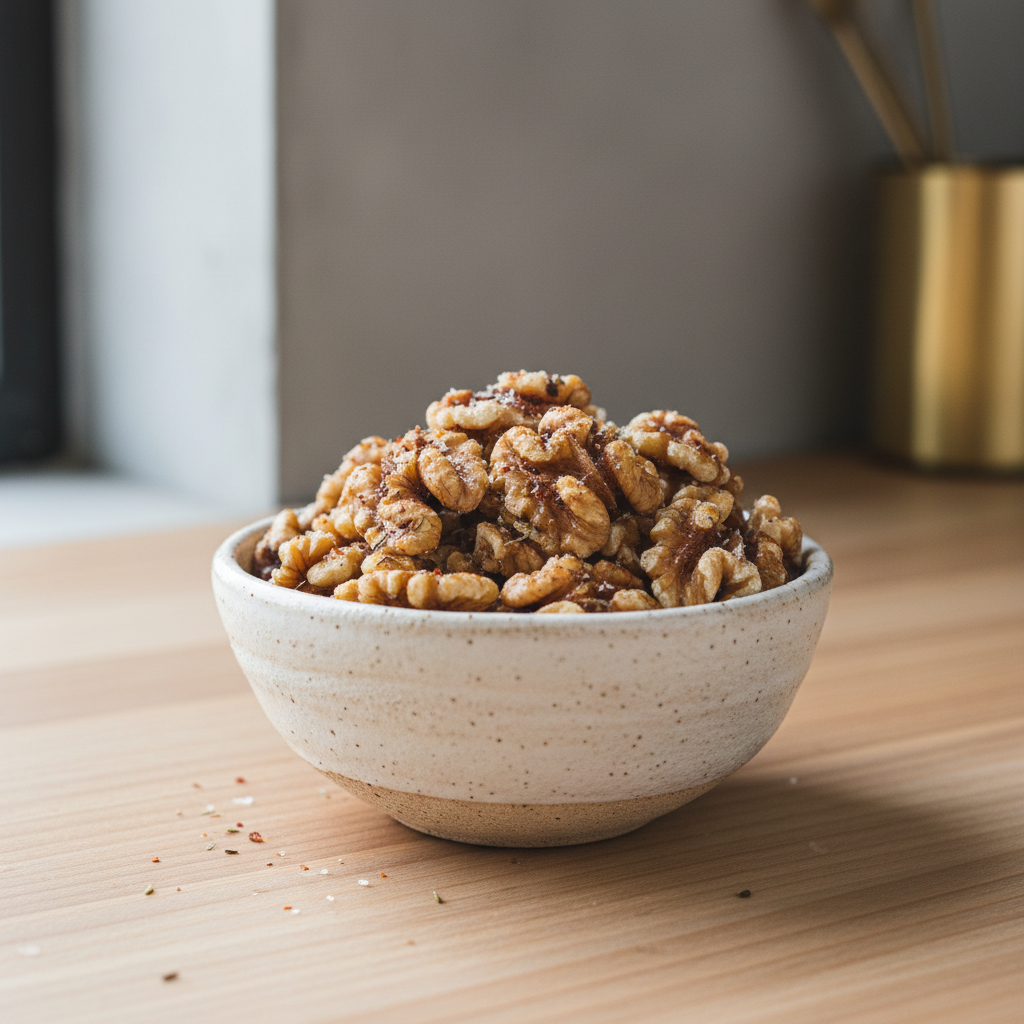
Storage that actually keeps them crisp
- Cool completely before storing, trapped steam softens nuts.
- Use an airtight jar, keep away from the stove and sunlight.
- For longer than a couple weeks, refrigerate or freeze, then bring to room temp before serving for best texture.
Crunchy walnut recipes you can use all week
These are designed for real life: quick, repeatable, and flexible. Each one includes a “crunch protection” step so walnuts stay snappy.
1) Lemony walnut-herb salad topper
Best for: green salads, grain bowls, roasted vegetables.
- Toast 1 cup walnut halves, cool 2 minutes.
- Toss with 1 tsp olive oil, zest of 1 lemon, 1–2 tbsp chopped parsley or dill, pinch of salt.
- Keep in a small container, sprinkle right before eating.
2) Spicy-sweet candied walnuts (not rock-hard)
Best for: cheese boards, salads, dessert topping.
- In a pan, warm 2 tbsp maple syrup (or honey) with 1/2 tsp cinnamon and a pinch of cayenne.
- Add 1 cup walnuts, stir until glossy, 2–3 minutes.
- Spread on parchment, separate pieces, cool fully.
Crunch protection: don’t refrigerate candied walnuts uncovered, humidity makes the coating sticky.
3) Walnut “parmesan” crunch for pasta and roasted veggies
Best for: dairy-light meals with a savory finish.
- Pulse 3/4 cup toasted walnuts with 1/4 cup grated Parmesan (or nutritional yeast), garlic powder, black pepper.
- Store dry, add at the table like you would cheese.
4) Walnut crusted chicken or tofu cutlets
Best for: weeknight mains with a crisp exterior.
- Chop walnuts into coarse crumbs, mix with panko, salt, paprika.
- Coat cutlets: flour (or cornstarch) → egg (or plant milk + a little flour) → walnut crumb mix.
- Bake at 425°F or pan-sear on medium until golden.
Crunch protection: keep crumbs coarse, fine walnut meal can go oily and lose texture.
Best pairings: pick the right walnut cut for the job
This is the part people skip. The size you use changes the crunch more than you’d think.
| Walnut form | Best use | Crunch result | Tip |
|---|---|---|---|
| Halves | Salads, snack mixes | Big, bold crunch | Add at the end, keep dry |
| Coarse chop | Baked goods, toppings | Even crunch | Toast first for stronger flavor |
| Crumbs (walnut + panko) | Crusted proteins | Crispy coating | Don’t over-process into paste |
| Walnut meal | Cakes, pancakes | Soft, tender bite | Use for flavor, not crunch |
Practical tips for keeping walnuts crunchy in real dishes
Most “my walnuts got soft” stories come from the same few patterns, especially meal prep and leftovers.
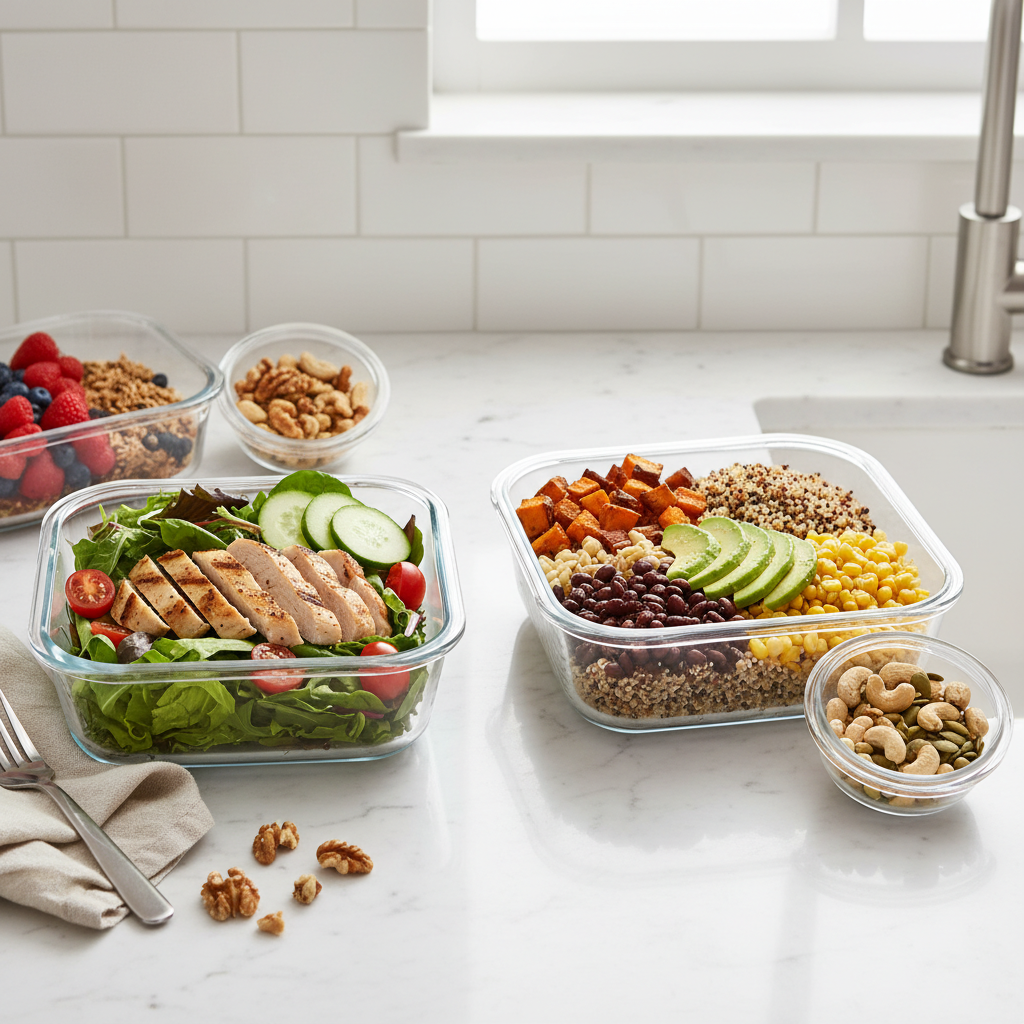
- Meal prep: pack walnuts separately, add right before eating. Same idea for granola and yogurt.
- Hot dishes: heat creates steam, so top with walnuts after plating, not while simmering.
- Soups: toast walnuts and use as a garnish, like croutons.
- Freezer-friendly: freeze walnuts in small portions, thaw what you need, then toast to “wake them up.”
According to FDA, people with tree nut allergies should avoid walnuts and watch for cross-contact, if you cook for a group, it’s worth asking directly.
Mistakes that quietly ruin walnut recipes
Some mistakes look harmless, but they’re exactly why the final dish feels a little off.
- Toasting and walking away: walnuts go from perfect to burnt fast, keep them in sight.
- Salting too early in wet mixes: salt draws moisture, season toasted walnuts right before storing or serving.
- Chopping too far ahead: more surface area means faster staling, chop close to use.
- Assuming “healthy” means “safe for everyone”: allergies are real, label dishes at potlucks.
If you’re using walnuts for specific health goals, it’s reasonable to talk with a registered dietitian, especially when you manage conditions that require dietary changes.
Conclusion: make crunch your default, not a lucky accident
Once you treat walnuts as a texture ingredient with a simple toast-and-timing routine, walnut recipes start feeling more reliable, salads stay interesting, and weeknight meals pick up a restaurant-style finish.
If you want one easy next step, toast a small batch tonight and keep it in an airtight jar, then try it as a last-minute topper on tomorrow’s lunch. If you want a bigger payoff, make the candied version and use it across salads, oatmeal, and snack plates for the next few days.
FAQ
How do I keep walnuts crunchy in salad for lunch?
Pack toasted walnuts in a separate small container, then add them right before eating. The dressing and greens soften nuts quickly, even if you start with great crunch.
Do I have to toast walnuts for most walnut recipes?
Not always, but toasting usually improves flavor and aroma, and it can help texture feel “snappier.” If you love the mild taste of raw walnuts, use them as a fresh topper and keep them away from moisture.
What temperature should I toast walnuts in the oven?
Many home cooks get consistent results around 325°F because it gives you a little more control. Keep an eye on the last few minutes, walnuts can darken quickly.
Why do my walnuts taste bitter after toasting?
Bitterness often comes from over-toasting or using walnuts that were already on the edge of rancid. Try lower heat and shorter time, and check freshness before cooking.
Can I use walnuts instead of breadcrumbs for a crunchy coating?
Yes, especially for chicken, fish, or tofu, but keep the grind coarse and consider mixing with panko for a drier, crisp finish. Very fine walnut meal can turn oily and less crunchy.
Are walnuts safe for kids and older adults?
In many cases yes, but whole nuts can be a choking risk for young children and some older adults. Chopping finely or using ground walnuts can be a safer texture, and for allergies, it’s best to consult a healthcare professional if you’re unsure.
How long do toasted walnuts stay fresh?
It depends on storage and your kitchen’s humidity, but they’re usually best in the first few days for peak crunch. For longer storage, keep them airtight and cool, and consider refrigerating or freezing.
If you’re cooking regularly and want a more “set it and forget it” approach, build a small walnut routine: freeze bulk bags, toast small batches, and keep one savory mix plus one sweet mix on hand, it’s a simple way to make everyday dishes feel more finished without extra work.