
Mint tea recipe questions usually come down to one frustration: you want it refreshing and clean, but it turns out watery, bitter, or oddly grassy.
Good news, mint is forgiving, and once you nail a couple small details, you can make a cup that tastes like a café without measuring like a scientist. This guide covers hot and iced options, steep timing, sweeteners, and the little choices that quietly change flavor.
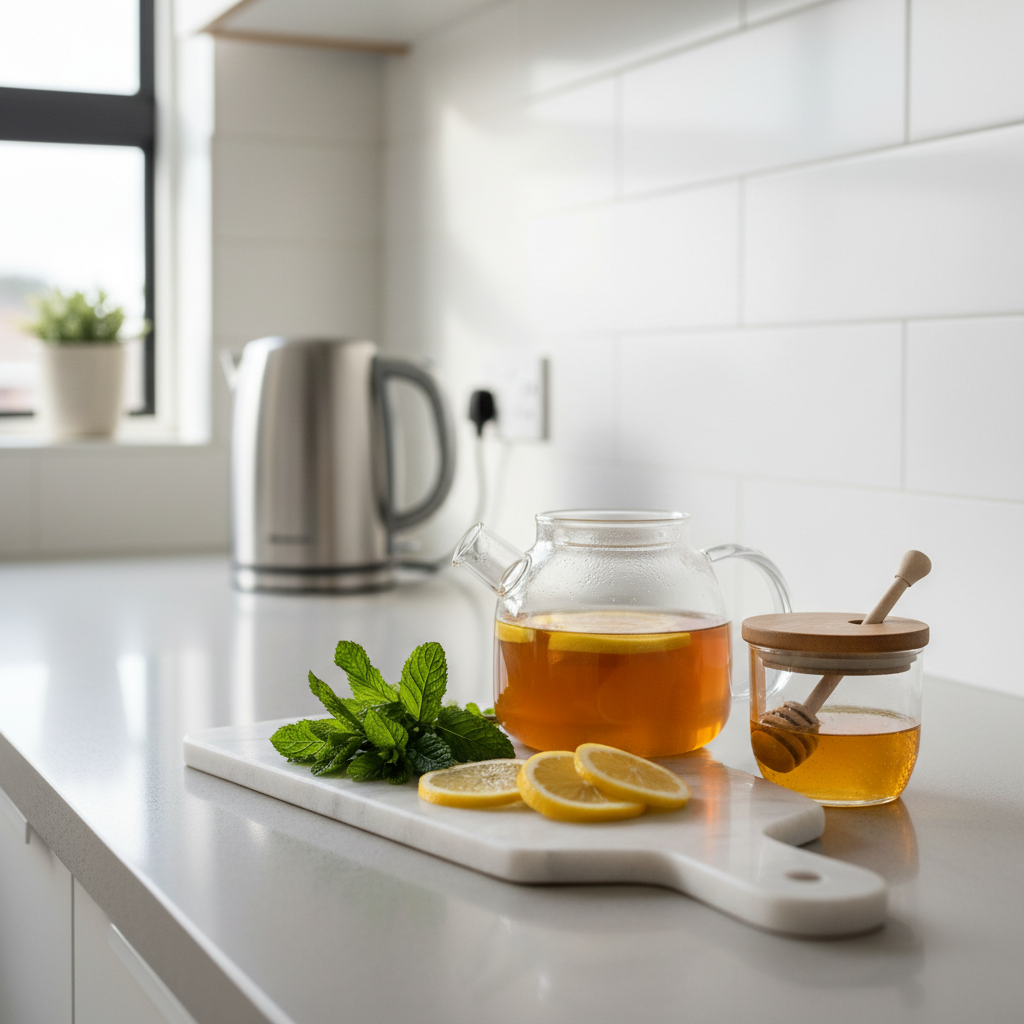
If you’ve had mint tea that tastes like toothpaste, it’s often because the mint got crushed too aggressively, steeped too long, or paired with water that was too hot. We’ll avoid all of that, and still keep it easy.
What makes mint tea taste “fresh” (not bitter)
Mint has aromatic oils that read as cooling and sweet, but those oils can turn sharp if you overdo extraction. A few real-world variables matter more than people think.
- Mint variety: Spearmint tends to taste sweeter and rounder, peppermint feels stronger and cooler.
- Water temperature: Boiling water can pull harsher notes, especially with peppermint.
- Steep time: Mint goes from bright to muddy fast if it sits too long.
- Leaf handling: Light bruising releases aroma, heavy crushing can push bitterness.
- Fresh vs dried: Fresh tastes greener and lighter, dried tastes more concentrated.
According to USDA FoodData Central, mint contains naturally occurring compounds and aromatic oils that contribute to flavor and aroma, which is why steep time and heat change the result so much.
Mint tea recipe: classic hot version (fresh mint)
This is the everyday baseline. Once you like this, you can tweak it into Moroccan-style, lemon-mint, or iced.
Ingredients (1–2 servings)
- 1 cup (8 oz) hot water
- 1 loosely packed cup fresh mint leaves (or 2–3 sprigs)
- Optional: 1–2 tsp honey or simple syrup
- Optional: lemon slice or a small strip of lemon peel
Steps
- Heat water to just under boiling, usually around 190–205°F. If you don’t have a thermometer, let boiling water sit 30–60 seconds.
- Rinse mint, shake off excess water.
- Lightly bruise leaves by tapping them once or twice with the back of a spoon, don’t mash into pulp.
- Add mint to a mug or teapot, pour hot water over.
- Cover and steep 4–6 minutes, then taste. Pull the mint when it tastes bright and clean.
- Sweeten or add lemon if you want, then serve.
Key point: Covering the cup helps keep the mint aroma in the tea, not in your kitchen air.
Quick self-check: why your cup tastes off
If your mint tea recipe keeps disappointing you, it’s usually one of these, and you can fix it in one round.
- Bitter or “medicine” taste: steeped too long, or water too hot.
- Weak flavor: not enough mint, or water cooled too much before pouring.
- Toothpaste vibe: peppermint-heavy, or mint crushed too hard.
- Grassy/dirty notes: older mint, mint sitting in water too long, or leaves not rinsed well.
- Sour instead of refreshing: too much lemon juice added early, add at the end.
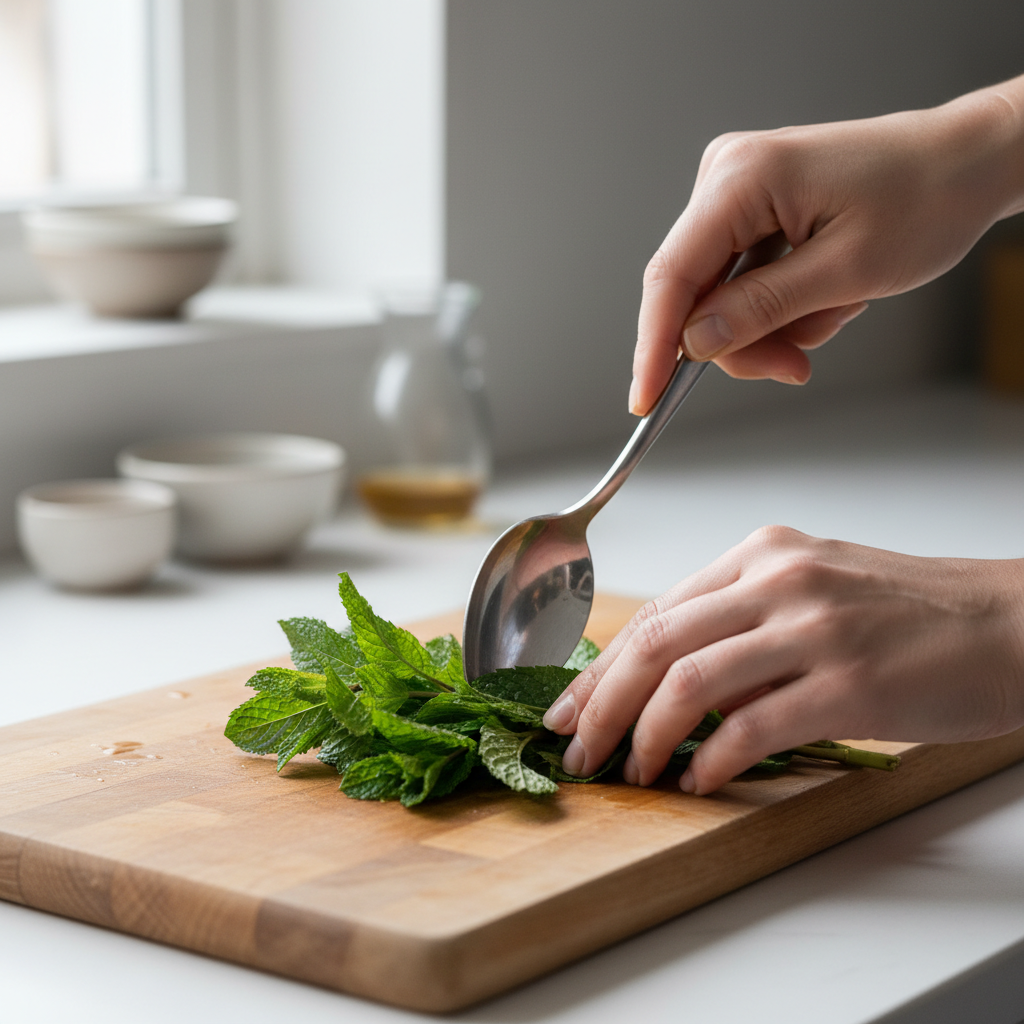
One more thing people miss: if you leave the mint in the mug while you sip for 20 minutes, the last third of the cup often tastes harsher than the first. Strain it once it tastes right.
Hot vs iced: steeping guide (with a simple table)
For iced tea, you usually want a stronger brew because ice dilutes it. Don’t “fix” weak iced mint tea by steeping forever, it tends to go bitter, brew stronger instead.
| Style | Mint amount | Water temp | Steep time | Notes |
|---|---|---|---|---|
| Hot (fresh mint) | 1 cup leaves per 8 oz | 190–205°F | 4–6 min | Remove mint after steeping |
| Hot (dried mint) | 1–2 tsp per 8 oz | 195–205°F | 5–7 min | Strain well, dried is stronger |
| Iced (brew hot, chill) | 1.5–2x mint | 190–205°F | 5–6 min | Cool, then pour over ice |
| Cold brew (overnight) | 1–1.5x mint | Cold | 8–12 hrs | Smoother, less “bite” |
Easy variations that actually taste different
These are the add-ons that change the drink in a real way, not just “add a splash of something and hope.” Pick one direction per batch so flavors stay clean.
1) Lemon-mint
- Add a strip of lemon peel while steeping, then add a small squeeze of juice at the end.
- If it turns sharp, reduce the juice and keep the peel.
2) Moroccan-style sweet mint tea (at home)
- Use spearmint if you can, it reads more “classic.”
- Sweeten more than you think you need, this style is meant to be sweet.
- Optional: add a small pinch of green tea, but steep green tea briefly so it doesn’t dominate.
3) Cucumber mint (summer-friendly)
- Add 3–5 thin cucumber slices to the pitcher after steeping.
- Chill 30–60 minutes, strain before serving if it gets too vegetal.
4) Ginger mint (warming, still bright)
- Add 2–3 thin slices of fresh ginger to the hot steep.
- Keep steep time on the shorter end, ginger can take over.
Practical tips for shopping, storage, and batch prep
A mint tea recipe is only as good as the mint, and mint can go sad fast if it sits the wrong way in the fridge.
- Buying: look for perky stems, bright color, minimal black spots, and a strong mint smell.
- Fridge storage: treat mint like flowers, stems in a jar with a little water, loosely cover with a bag.
- Wash timing: rinse right before use, washing early can speed wilting.
- Batch iced tea: brew a concentrate, cool, then dilute with cold water to taste.
- Sweetening: honey dissolves best in warm tea, for iced tea use simple syrup if you want it fully smooth.
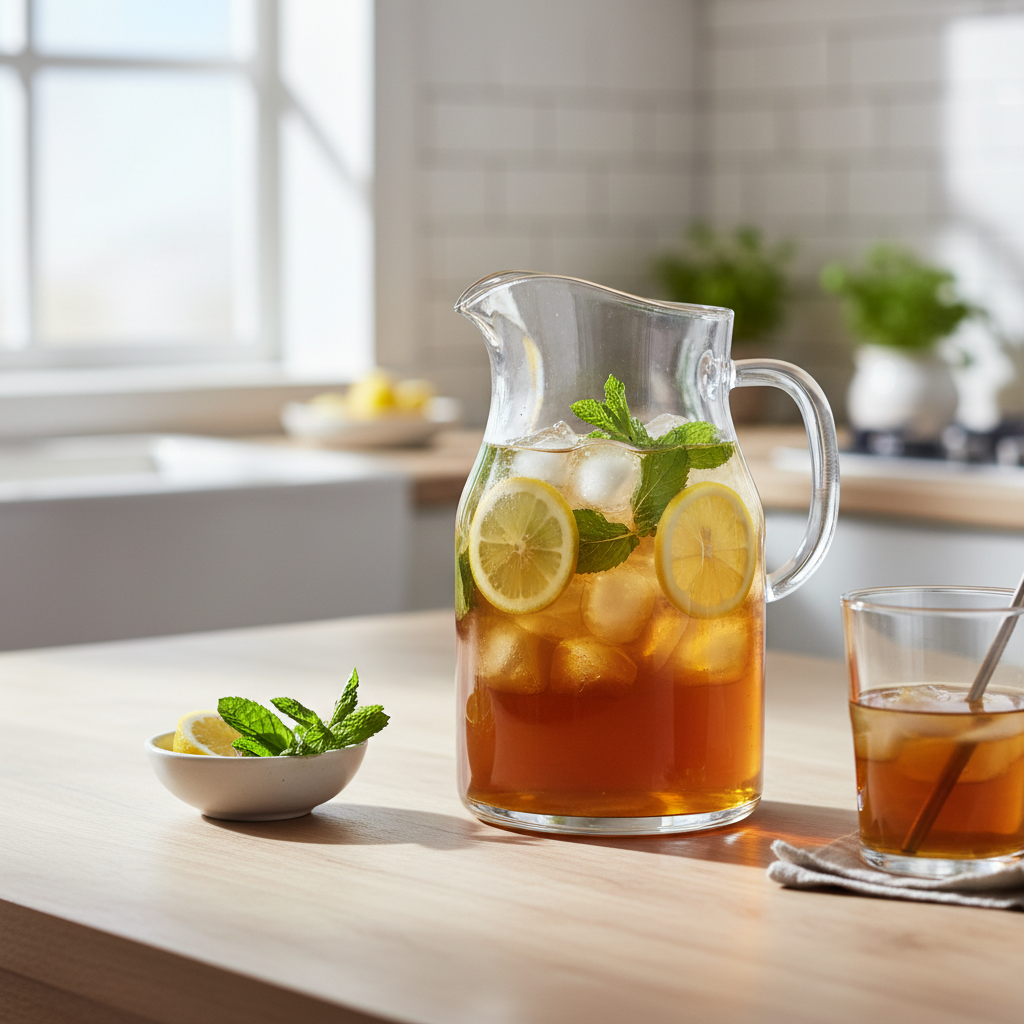
If you want a “grab and pour” setup, make a pitcher at night, strain out the mint after it tastes right, then chill. Leaving mint in overnight often turns the next day’s pitcher sharper than you expected.
Health and safety notes (quick, but worth reading)
Mint tea is commonly enjoyed, but bodies vary, and a “natural” ingredient can still be the wrong fit in certain cases.
- If you have frequent heartburn, mint may worsen symptoms for some people, so pay attention to how you feel.
- If you’re pregnant, nursing, or managing a medical condition, it’s smart to ask a clinician about regular herbal tea use.
- For cold brew, use clean containers, refrigerate while brewing, and drink within a day or two for best quality.
According to the FDA, food safety basics like clean surfaces, clean hands, and proper refrigeration help reduce foodborne illness risk, even for simple drinks.
Conclusion: a reliable cup you can repeat
A good mint tea recipe isn’t complicated, it’s mostly about mint amount, water temp, and not over-steeping. Start with spearmint if you want smooth and sweet, keep the steep under control, and strain once it tastes right.
If you make one change today, make it this: brew, taste at 4 minutes, and pull the mint when it hits that bright “fresh” note. After that, experimenting feels fun instead of frustrating.
Key takeaways
- Cover while steeping to keep aroma in the cup.
- Don’t steep forever, brew stronger for iced tea instead.
- Bruise, don’t crush mint leaves for cleaner flavor.
- Strain to prevent the last sips from turning bitter.
FAQ
- How much mint should I use per cup?
For fresh mint, a loose cup of leaves per 8 oz is a solid starting point. If your mint is very pungent, dial it back a little rather than steeping shorter every time. - Can I make mint tea with dried mint?
Yes, and it’s convenient. Use 1–2 teaspoons per cup, steep a bit longer, and strain well. Dried mint often tastes more intense and slightly earthier. - Why does my mint tea taste bitter?
Most often it steeped too long or the water was too hot. Another sneaky cause is leaving mint in the cup while drinking, which keeps extracting. - Is peppermint or spearmint better for a refreshing taste?
Spearmint usually reads sweeter and “summer fresh.” Peppermint brings a stronger cooling bite, which some people love and others find too sharp. - What’s the best way to sweeten iced mint tea?
Simple syrup mixes in cleanly without sinking. Honey can work if you dissolve it in a small amount of warm tea first, then combine. - Can I cold-brew mint tea overnight?
Usually yes, and it can taste smoother. Brew in the fridge, strain in the morning, and keep an eye on freshness, herbal infusions can lose their bright edge after a day or two. - Does mint tea help digestion?
Some people find it soothing, but results vary by person and symptoms. If you have ongoing digestive issues, it’s better to check with a healthcare professional than relying on tea alone.
If you’re making mint tea often and want it to feel effortless, set up a simple “tea station” with a thermometer or gooseneck kettle, a small mesh strainer, and a pitcher for batch iced tea, it turns a nice idea into something you actually do on busy days.