
Best chicken noodle soup recipe easy is usually what people mean when they want a cozy bowl that tastes homemade, without spending all afternoon babysitting a pot. This version leans on a few smart moves, builds real flavor quickly, and still leaves room for your preferences.
If you’ve ever made chicken noodle soup that turned out bland, greasy, or strangely sweet, it’s rarely the noodles’ fault. Most of the time it comes down to under-seasoned broth, overcooked chicken, or adding pasta too early. Fix those, and the soup basically makes itself.
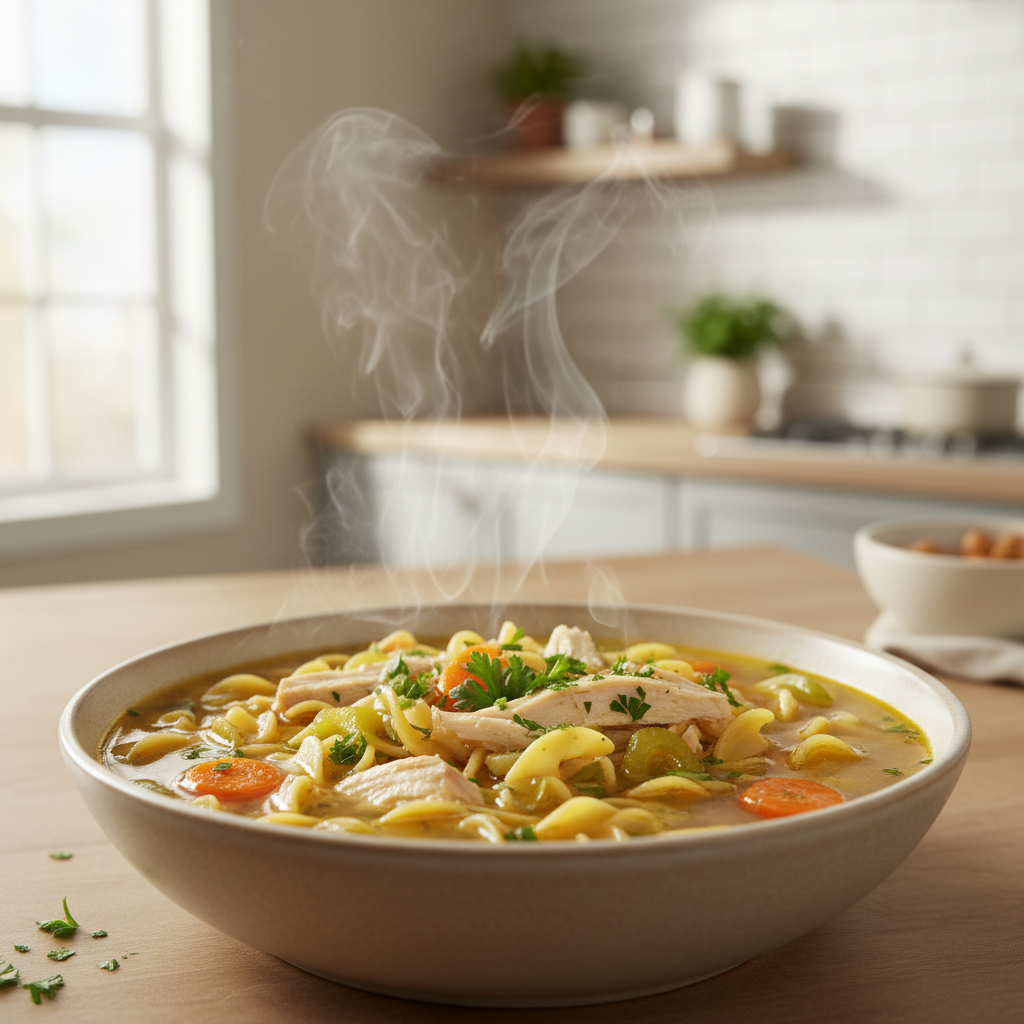
I’ll walk you through a dependable base recipe, then show a few swaps for rotisserie chicken, leftover roast chicken, and store-bought broth that needs help. You’ll also get a quick troubleshooting checklist so you can tell what’s off and fix it fast.
What makes an easy chicken noodle soup taste “actually good”
Easy shouldn’t mean flat. These are the little choices that usually separate “fine” soup from the pot everyone keeps reheating for lunch.
- Build a quick flavor base: sauté onion, carrot, and celery in a bit of oil or butter before adding broth. That 5–7 minutes matters.
- Season in layers: salt early for the vegetables, then adjust at the end after noodles and chicken go in.
- Cook noodles separately when possible: it keeps leftovers from turning into a noodle sponge.
- Finish with brightness: a squeeze of lemon or a splash of vinegar wakes up store-bought broth.
According to USDA Food Safety and Inspection Service (FSIS), hot foods should be kept at 140°F or above for safe holding, and leftovers should be cooled and refrigerated promptly. That matters with big pots of soup that sit on the stove.
Ingredients (and the practical swaps that still work)
This is the core list for a classic American-style soup. If you’re missing one item, don’t panic, but do try to keep the aromatic base and some kind of noodle or pasta.
Core ingredients
- 2 tbsp olive oil or butter
- 1 medium onion, diced
- 2 carrots, sliced
- 2 celery stalks, sliced
- 2–3 cloves garlic, minced
- 8 cups chicken broth (low-sodium makes seasoning easier)
- 1–1.5 lb chicken (see options below)
- 1 tsp dried thyme (or 1 tbsp fresh)
- 1–2 bay leaves
- 6–8 oz egg noodles (or similar)
- Salt and black pepper
- Optional: lemon juice, parsley, dill
Chicken options (choose your lane)
- Rotisserie chicken: fastest, add near the end so it stays tender.
- Boneless skinless thighs: forgiving, less likely to dry out.
- Boneless skinless breasts: lean, but pull early to avoid stringy meat.
- Leftover cooked chicken: great, just warm it through.
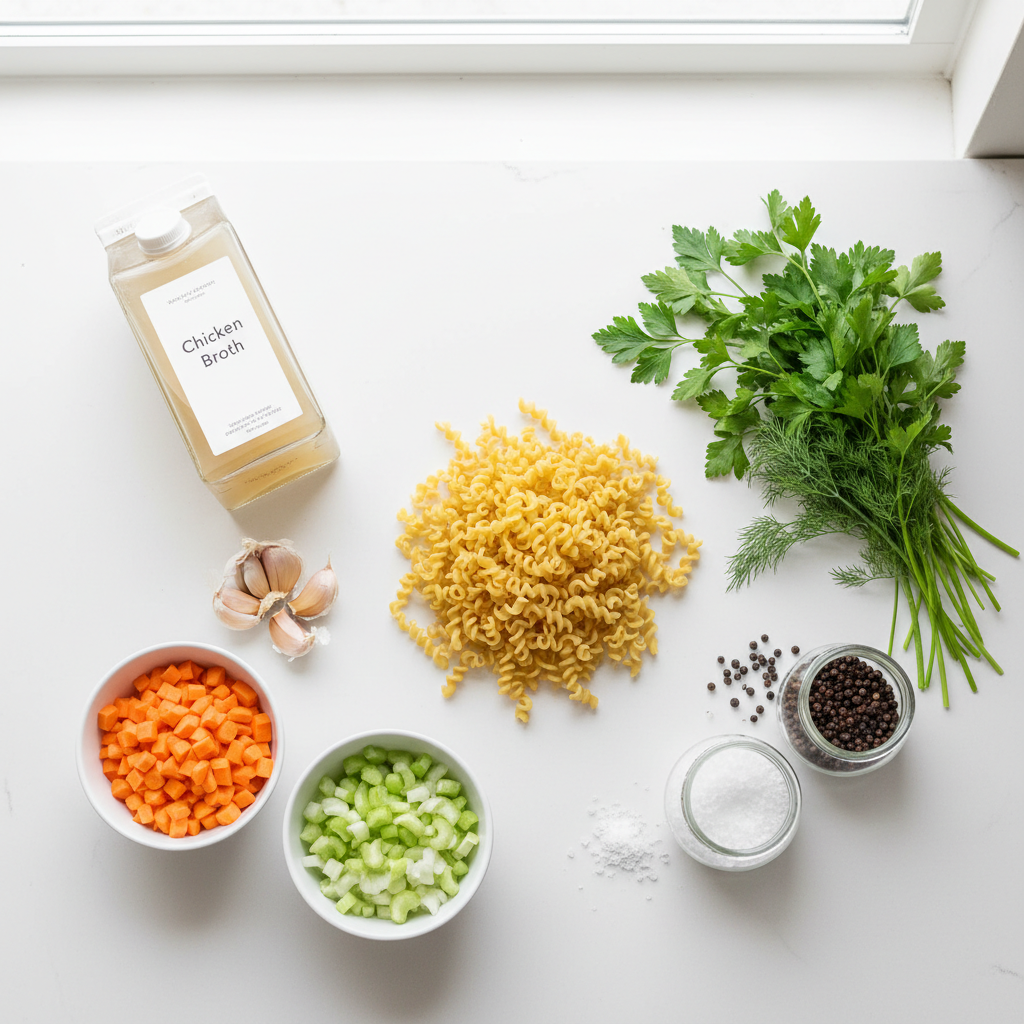
Broth note: if your broth tastes thin, add a small spoon of chicken bouillon, a parmesan rind, or simmer it a few minutes longer before noodles go in. You’re not cheating, you’re calibrating.
The best easy chicken noodle soup recipe (step-by-step)
This method assumes you’re starting with broth, not a whole chicken stock project. It still tastes like you cared.
Step 1: Sauté the aromatics
In a large pot, warm oil or butter over medium heat. Add onion, carrot, celery, and a pinch of salt. Cook until the onion looks translucent and the veggies soften a bit, about 6–8 minutes. Stir in garlic for 30 seconds.
Step 2: Add broth and simmer with herbs
Pour in chicken broth, add thyme and bay leaves, then bring to a gentle simmer. Taste the broth now and add a little salt if it tastes hollow.
Step 3: Cook the chicken (or warm it through)
- If using raw thighs or breasts: add to simmering broth, cook gently until the thickest part reaches safe doneness. As a general guideline, chicken is typically cooked to 165°F; if you have health concerns, consider asking a professional for personalized guidance.
- If using rotisserie or leftover chicken: keep it aside for now.
Remove cooked chicken to a plate, rest a few minutes, then shred or chop. Return it to the pot.
Step 4: Noodles last (and preferably separate)
For the best texture, cook noodles in a separate pot, drain, then add to each bowl. If you’re serving the whole pot immediately, you can simmer noodles directly in the soup, just stop when they’re barely tender.
Step 5: Finish and adjust
Turn off heat, add parsley or dill, and squeeze in a little lemon juice. Taste and adjust salt and pepper. Pull bay leaves before serving.
Quick self-check: why your soup tastes “off” (and the fix)
Before you dump in random seasonings, diagnose the problem. Most issues fall into a few predictable buckets.
- Bland: add salt in small pinches, then add lemon juice or a tiny splash of vinegar.
- Too salty: dilute with unsalted broth or water, then re-balance with herbs and a touch of acidity.
- Greasy: skim the surface, or chill and remove the fat cap later.
- Chicken dry: next time use thighs, or pull breasts earlier and rest before shredding.
- Noodles mushy: cook separately, store separately, and add per bowl.
- Broth tastes “sweet”: it can happen with lots of carrots or some boxed broths; counter with black pepper and lemon.
Timing, storage, and a simple noodle strategy for leftovers
Chicken noodle soup usually gets better after it sits, but noodles are the exception. If you want leftovers that taste like day one, separate the components.
- Best practice: store soup base (broth + chicken + vegetables) in one container, noodles in another.
- Reheat: warm the soup base first, then add noodles to the bowl and ladle hot soup over top.
- Freezing: freeze the soup base without noodles for better texture later.
According to CDC food safety guidance, refrigerated leftovers are commonly recommended to be eaten within a few days and reheated thoroughly; if you’re unsure, it’s safer to be conservative.
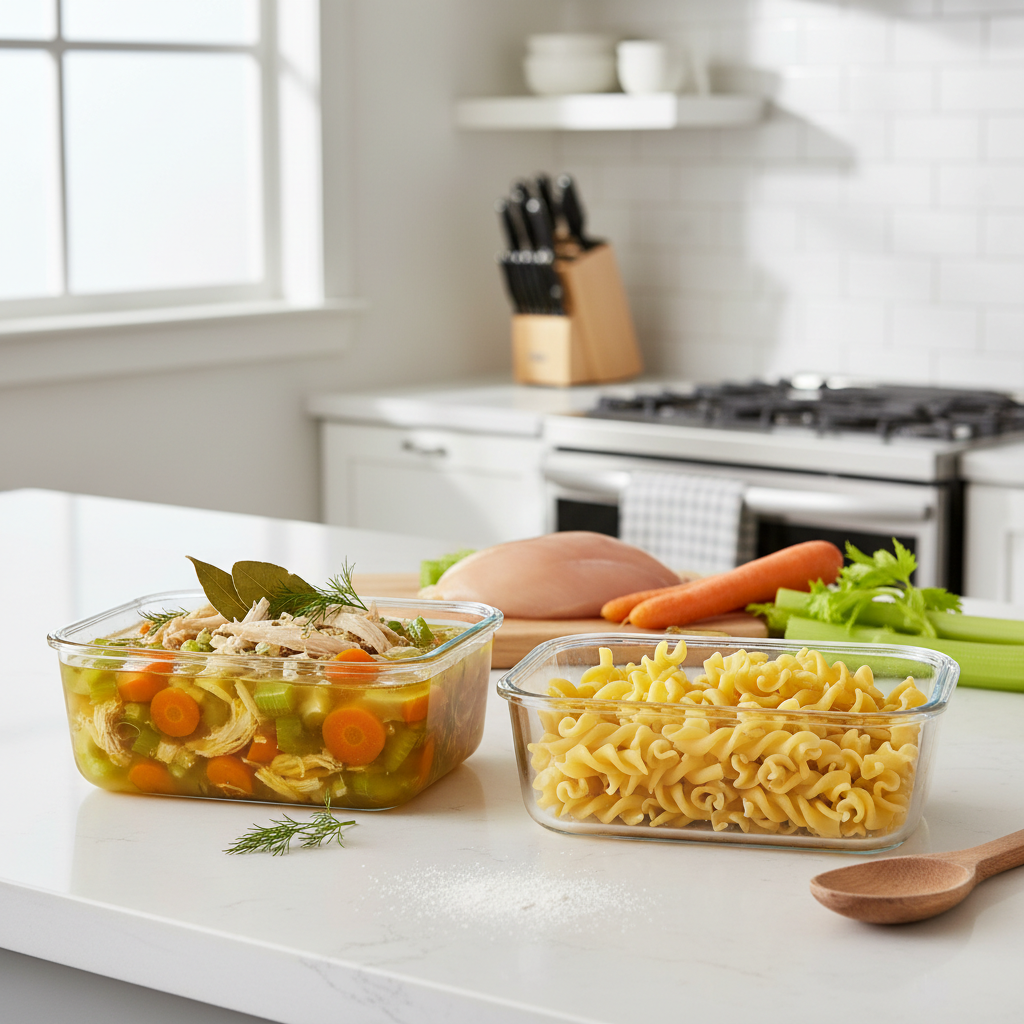
If you want the ultra-low-effort approach, cook noodles fresh each time. It feels extra, but it’s usually 8 minutes and saves the soup.
Flavor variations (same easy method, different vibe)
This is where the recipe stays “easy” but stops feeling repetitive. Keep the base, tweak the finish.
- Lemon herb: extra lemon, fresh parsley + dill, more black pepper.
- Ginger garlic: add sliced ginger with garlic, finish with scallions.
- Creamy (light): stir in a splash of half-and-half at the end, keep the simmer gentle.
- Spicy: pinch of red pepper flakes, or a few dashes of hot sauce per bowl.
- More veggies: add spinach at the end, or zucchini during the last 5 minutes.
Recipe cheat sheet (table) and key takeaways
If you’re saving this for later, here’s the quick reference that keeps the process smooth.
| Decision | Best choice for ease | Why it helps |
|---|---|---|
| Chicken | Rotisserie or thighs | Fast, stays tender |
| Broth | Low-sodium boxed + lemon finish | Control salt, brighter flavor |
| Noodles | Cook separately | Leftovers don’t turn mushy |
| Seasoning | Salt in layers + herbs | Deeper taste, less guesswork |
- Key point: sautéing the vegetables is the fastest way to upgrade flavor.
- Key point: noodles are a serving-time add, not a storage plan.
- Key point: finish with acidity, then decide if it needs more salt.
Final notes and an easy next step
This best chicken noodle soup recipe easy works because it respects the few steps that matter, and skips the ones that don’t. Make the base once, keep noodles separate, and you’ll have a pot that reheats like a dream.
If you cook it this week, jot down one thing you’d change next time, more lemon, different noodles, extra herbs, then adjust on the next batch. That’s how a “good” soup quietly becomes your house soup.