
Pork tenderloin baked sounds easy until you slice in and it turns out dry, bland, or overcooked at the edges. The good news, tenderloin is naturally lean and quick-cooking, so a few small choices make a big difference.
This recipe focuses on what usually goes wrong in real home kitchens: oven temps that run hot, skipping a quick sear, and relying on cook time instead of internal temperature. Once you fix those, you get juicy meat with a browned crust and a dinner that feels a little “restaurant” without extra work.
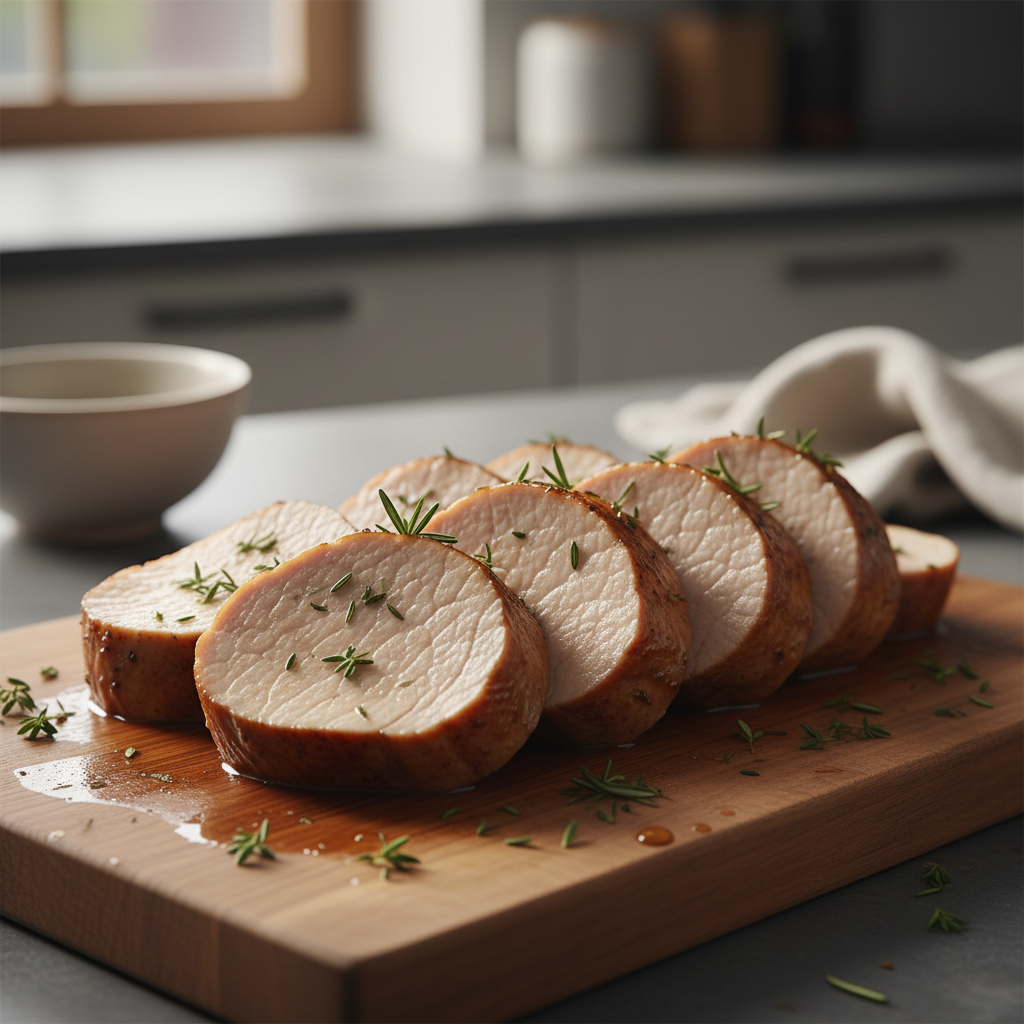
You’ll also find a quick doneness checklist, an internal-temperature table, and a few “save it” moves if you suspect you already went too far. No complicated marinades required, though there’s an option if you like planning ahead.
Why baked pork tenderloin turns out dry (and how to avoid it)
Tenderloin is not pork loin. It’s smaller, leaner, and usually cooks faster than people expect. Dry results typically come from one of these:
- Overcooking by time instead of temp, ovens vary and tenderloin thickness varies even more.
- Skipping rest time, slicing right away lets juices run out onto the board instead of staying in the meat.
- No browning step, pale exterior makes you keep cooking “for color,” which pushes the inside too far.
- Too low oven temperature, slow cooking dries lean cuts, especially when the surface stays wet.
- Confusing cuts, pork loin needs different timing and often benefits from lower-and-slower.
According to USDA Food Safety and Inspection Service (USDA FSIS), whole cuts of pork are safe at 145°F internal temperature followed by a 3-minute rest. That target is the backbone of juicy results, and it’s why a thermometer matters more than any “minutes per pound” rule.
Ingredients and seasoning that actually work
This is a simple, reliable flavor profile that plays well with weeknight sides and leftovers.
What you need
- 1 pork tenderloin (about 1 to 1.5 lb), silverskin trimmed if needed
- 1 to 2 tbsp olive oil
- 1 1/4 tsp kosher salt (adjust if using fine salt)
- 1 tsp black pepper
- 1 tsp garlic powder
- 1 tsp smoked paprika (or regular paprika)
- 1 tsp dried Italian seasoning (or thyme/rosemary blend)
- 1 tbsp Dijon mustard (optional but helpful for flavor and browning)
Optional add-ons (pick one, don’t pile everything on)
- Brown sugar (1–2 tsp) for a subtle glaze effect, watch closely so it doesn’t scorch.
- Lemon zest for a brighter, lighter finish.
- Chili flakes if you like gentle heat.
How to bake pork tenderloin so it stays juicy
The core idea is simple: season well, brown fast, roast hot, pull at the right temp, then rest. This method works whether you’re cooking one tenderloin or two.
Step-by-step
- Heat the oven to 425°F. Place a sheet pan or small roasting pan in the middle rack.
- Dry the surface with paper towels, moisture blocks browning.
- Season: rub with olive oil, salt, pepper, garlic powder, paprika, and herbs. If using Dijon, smear a thin layer first.
- Sear (recommended): heat a skillet over medium-high, add a little oil, sear tenderloin 1–2 minutes per side until browned.
- Roast: move to the preheated pan, roast about 15–22 minutes, start checking early if it’s a smaller piece.
- Pull at temperature: remove when the thickest part hits 142–145°F.
- Rest 5–10 minutes, then slice across the grain.
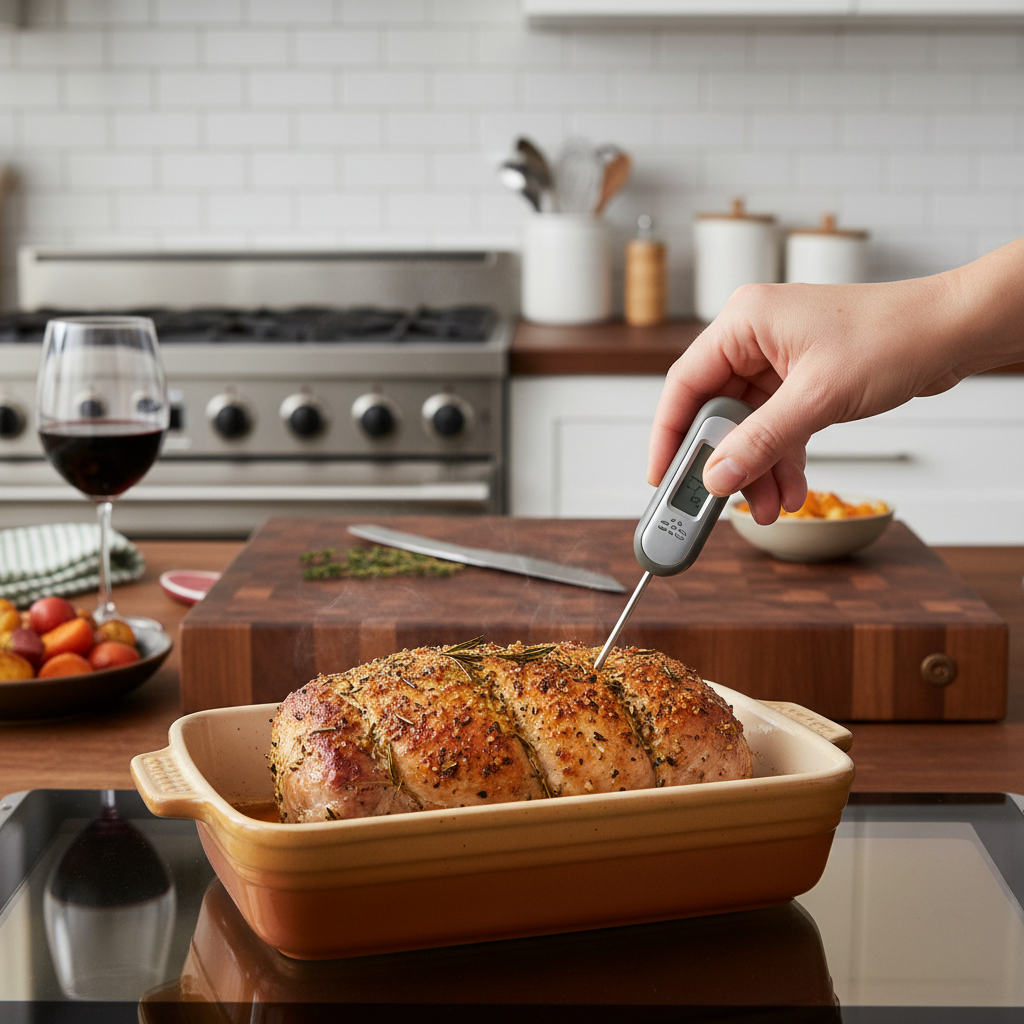
If you skip the sear, you can still get a good result, but you’ll want to roast at the higher temp and consider a short broil at the end. Just keep a close eye, broilers turn “fine” into “dry” fast.
Temperature, timing, and the doneness table you’ll actually use
Time estimates help you plan sides, but your thermometer makes the final call. Tenderloin thickness is the quiet variable that changes everything.
| Oven Temp | Typical Time | Pull Temp | Result |
|---|---|---|---|
| 425°F | 15–22 min | 142–145°F | Juicy, light blush is normal |
| 400°F | 18–26 min | 142–145°F | Good balance, slightly less browning |
| 375°F | 22–32 min | 142–145°F | More risk of drying if you overshoot |
Key point: carryover cooking usually bumps the center a few degrees while resting, so pulling at 142–145°F often lands you right on the USDA-style finish after rest.
Quick self-check: are you set up for a juicy bake?
- You’re cooking tenderloin (small, usually 1–2 lb), not pork loin (larger roast).
- You have a meat thermometer or instant-read thermometer.
- You can give it a 5–10 minute rest before slicing.
- You’re comfortable roasting hot (400–425°F) so it finishes before it dries out.
- You’re slicing across the grain, especially important for leftovers.
If you checked most of these, you’re in the “easy win” zone. If not, the biggest upgrade is the thermometer, everything else is secondary.
Real-world troubleshooting (including how to save it)
If it’s dry
- Slice thicker next time, thin slices cool fast and feel drier.
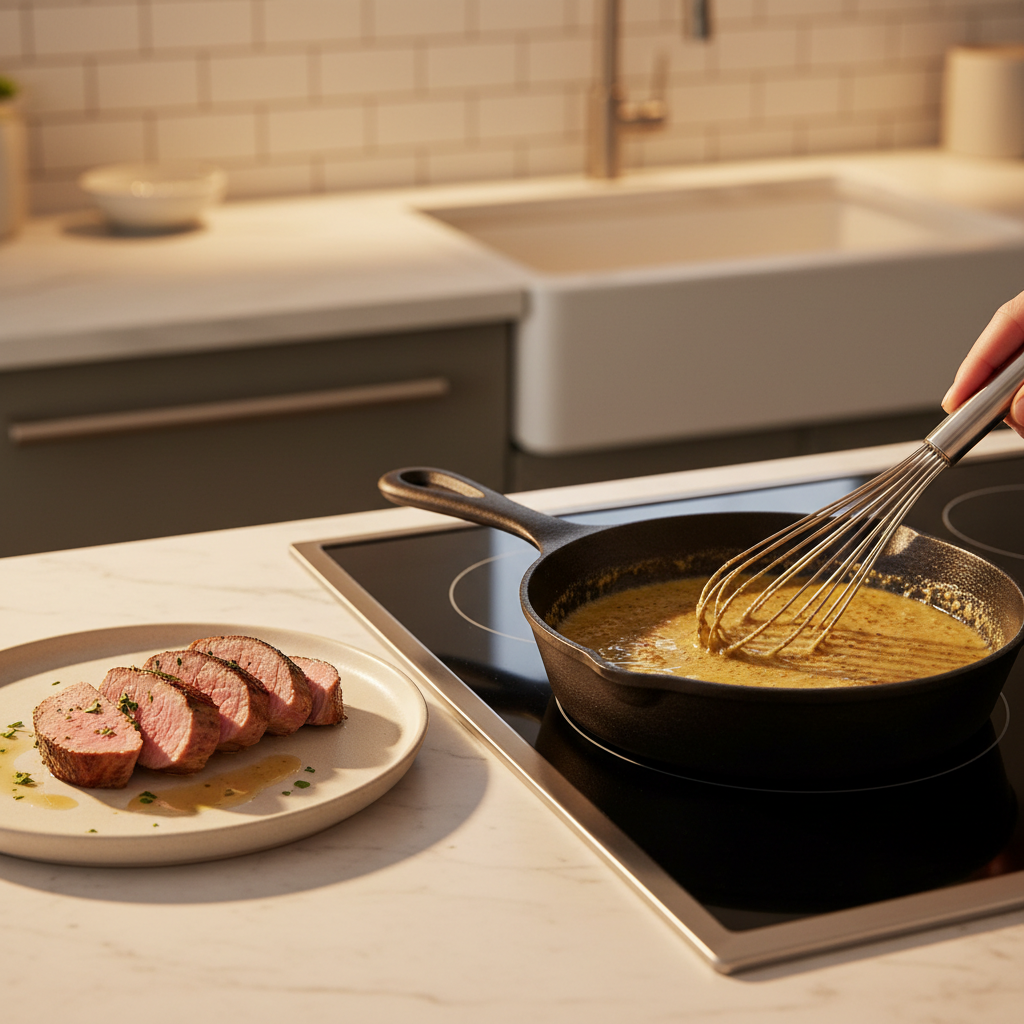
- Serve with a quick pan sauce: deglaze the searing skillet with broth, add a spoon of Dijon, finish with butter.
- Use leftovers smart: chop into tacos, fried rice, or a creamy pasta where sauce adds moisture.
If it’s underdone
- Put it back in the oven for 3–5 minutes, then recheck temp, don’t guess.
- If it’s sliced already, a quick skillet warm-up with a splash of broth is gentler than blasting it in the microwave.
If the outside browns too fast
- Move the pan down a rack and tent loosely with foil.
- Check whether your oven runs hot, many do, especially on convection.
One more thing people don’t love hearing: tenderloin has very little fat, so if you prefer a richer, ultra-forgiving roast, pork shoulder or even a marbled loin roast may fit your tastes better. For “lean but still juicy,” this is the lane.
Serving ideas, sides, and meal-prep notes
Pork tenderloin baked this way works with a lot of different menus, which is why it ends up in so many weeknight rotations.
Easy sides
- Roasted broccoli or green beans (same oven, just start earlier)
- Mashed potatoes or a quick buttered rice
- Simple salad with a tangy vinaigrette, it cuts the richness
- Applesauce or sautéed apples, classic with pork
Leftover plan (keeps it from drying out)
- Cool, then refrigerate in an airtight container within about 2 hours.
- Reheat gently with moisture: covered skillet with a splash of broth, or microwave at reduced power.
- Slice only what you need, keep the rest as a larger piece so it stays juicier.
If you’re unsure about storage timing or safe reheating, it’s reasonable to check USDA food safety guidance or ask a qualified professional, especially if cooking for someone with higher risk.
Key takeaways to keep your tenderloin juicy
- Use temperature, not time: pull at 142–145°F and rest.
- Hot oven helps: 425°F usually hits the sweet spot for speed plus browning.
- Sear is worth it: better flavor, less temptation to overbake for color.
- Rest before slicing: it’s the cheapest “juiciness” trick you’ll ever use.
When you treat tenderloin like a quick roast instead of a slow one, it behaves. Pick a seasoning you enjoy, keep the thermometer handy, and let the rest do its quiet work.
FAQ
What temperature should pork tenderloin be when it’s done?
Many home cooks aim for 145°F in the thickest part, then rest it a few minutes. According to USDA FSIS, 145°F plus a 3-minute rest is a common safety guideline for whole cuts, and it also helps with juiciness.
How long does pork tenderloin take in the oven at 425°F?
Often around 15–22 minutes, but thickness changes the outcome a lot. Start checking early with a thermometer so you don’t chase an exact minute and overshoot.
Should I cover pork tenderloin when baking?
Usually no. Covering can trap steam and soften the crust. If the outside browns too quickly, a loose foil tent near the end can help without steaming the whole roast.
Is a little pink in pork tenderloin okay?
It can be, color alone is not a perfect doneness test. Use internal temperature as the main guide, and if you have concerns for your household, consider cooking a bit higher and talking with a health professional for personalized advice.
Can I bake pork tenderloin without searing first?
Yes, you’ll still get a good dinner. You may miss some browning flavor, so consider a short broil at the end, but watch closely and keep the thermometer in the loop.
What’s the difference between pork loin and pork tenderloin for baking?
Tenderloin is smaller and leaner, and it cooks faster. Pork loin is thicker and often benefits from different timing and sometimes different oven strategy, mixing them up is a common reason people overcook tenderloin.
How do I keep leftovers from drying out?
Store as a larger piece when possible, then slice before eating. Reheat gently with a splash of broth or sauce, high heat tends to tighten the meat and make it feel drier.
If you want this pork tenderloin baked method to feel even easier on busy nights, set a reminder to preheat the oven and keep a simple spice mix in a jar, it turns “what’s for dinner” into a quick, repeatable win.