
Our go-to garlic bread recipe is all about speed without giving up flavor: a good loaf, a bold garlic-butter spread, and heat hot enough to crisp the edges before the middle dries out.
If you’ve ever ended up with bread that’s either pale and soggy or crunchy like croutons, it’s usually not your “skills”, it’s the timing, the butter texture, and the oven position. Those three things decide whether you get that classic pizzeria bite.
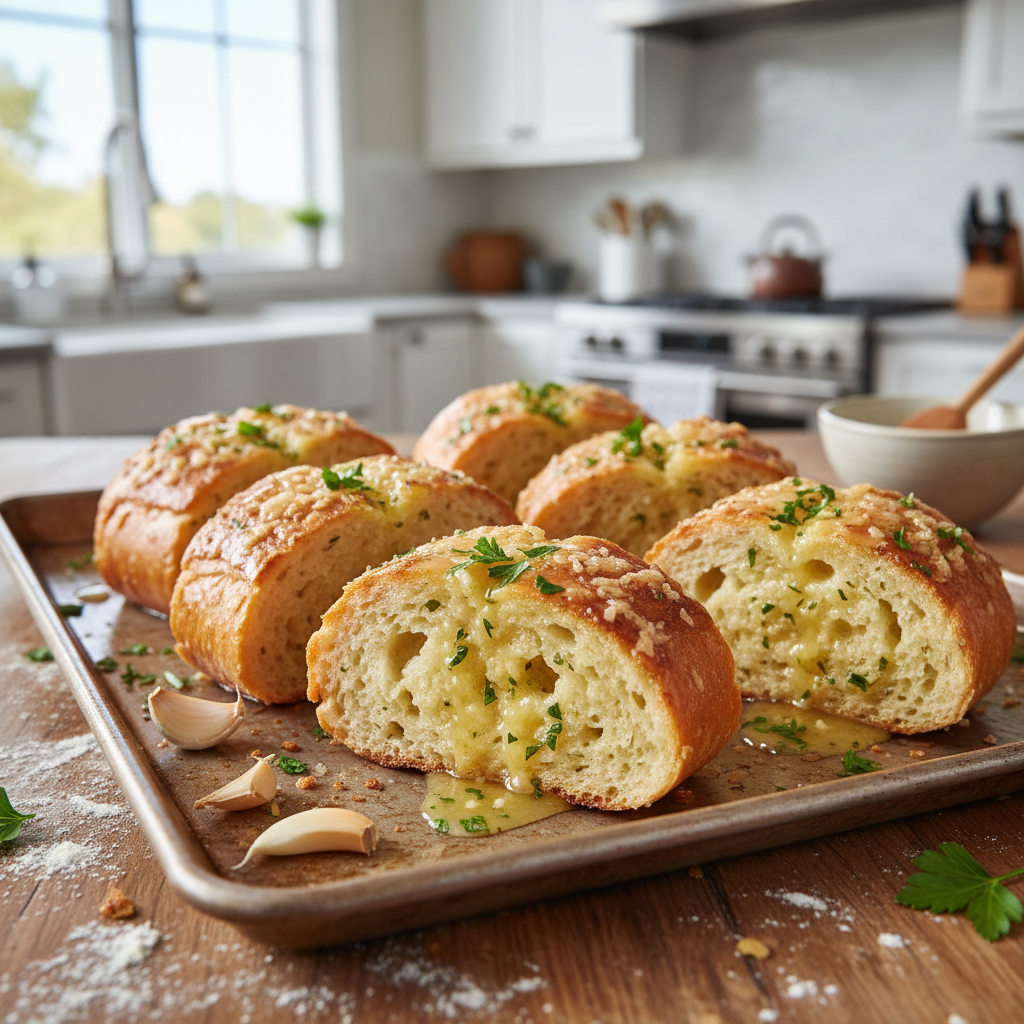
I’ll walk you through a reliable base version, then the small upgrades that actually matter, plus a quick troubleshooting guide for common issues. You’ll also get make-ahead options because garlic bread tends to be a “right now” side dish until you need it for a crowd.
Quick overview: what makes garlic bread “work”
Most quick versions fail because the spread never properly melts into the bread, or the oven is too cool to brown. Here’s the simple logic.
- Fat carries flavor: butter (or butter + olive oil) helps garlic and herbs coat every bite.
- Heat creates texture: higher heat browns the surface fast, keeping the inside tender.
- Salt matters: enough salt makes garlic taste savory instead of sharp.
According to USDA food safety guidance, perishable foods like butter should not sit out at room temperature for extended periods, so if you’re prepping ahead for a party, keep garlic butter chilled until baking.
Ingredients for a fast, crowd-pleasing loaf
This is the version that feels “classic”. You can scale it easily.
What you need (1 standard loaf)
- 1 loaf French bread or Italian bread (about 12–16 inches)
- 6 tbsp unsalted butter, softened
- 2–4 cloves garlic, finely grated or minced (adjust to taste)
- 1 tbsp chopped parsley (optional, but adds freshness)
- 1/4 tsp kosher salt (less if using salted butter)
- 2 tbsp grated Parmesan (optional)
Bread choice tip: If you want soft centers, pick a loaf with a slightly thinner crust. If you want crunch, go with a crustier baguette, just watch bake time.
The quick garlic bread recipe (15 minutes start to finish)
You’re aiming for a butter spread that’s soft enough to smear, not melted into a puddle. Melted butter tends to soak one spot and leave other bites dry.
Step-by-step
- Heat oven to 425°F. Place a rack in the upper-middle position.
- Slice loaf lengthwise like a book. Set cut-side up on a baking sheet.
- Mix softened butter, garlic, salt, parsley, and Parmesan (if using) until uniform.
- Spread generously edge to edge, especially near the crust.
- Bake 7–10 minutes until hot and lightly golden.
- Optional: broil 30–60 seconds for deeper browning, watching closely.
- Rest 1 minute, then slice.
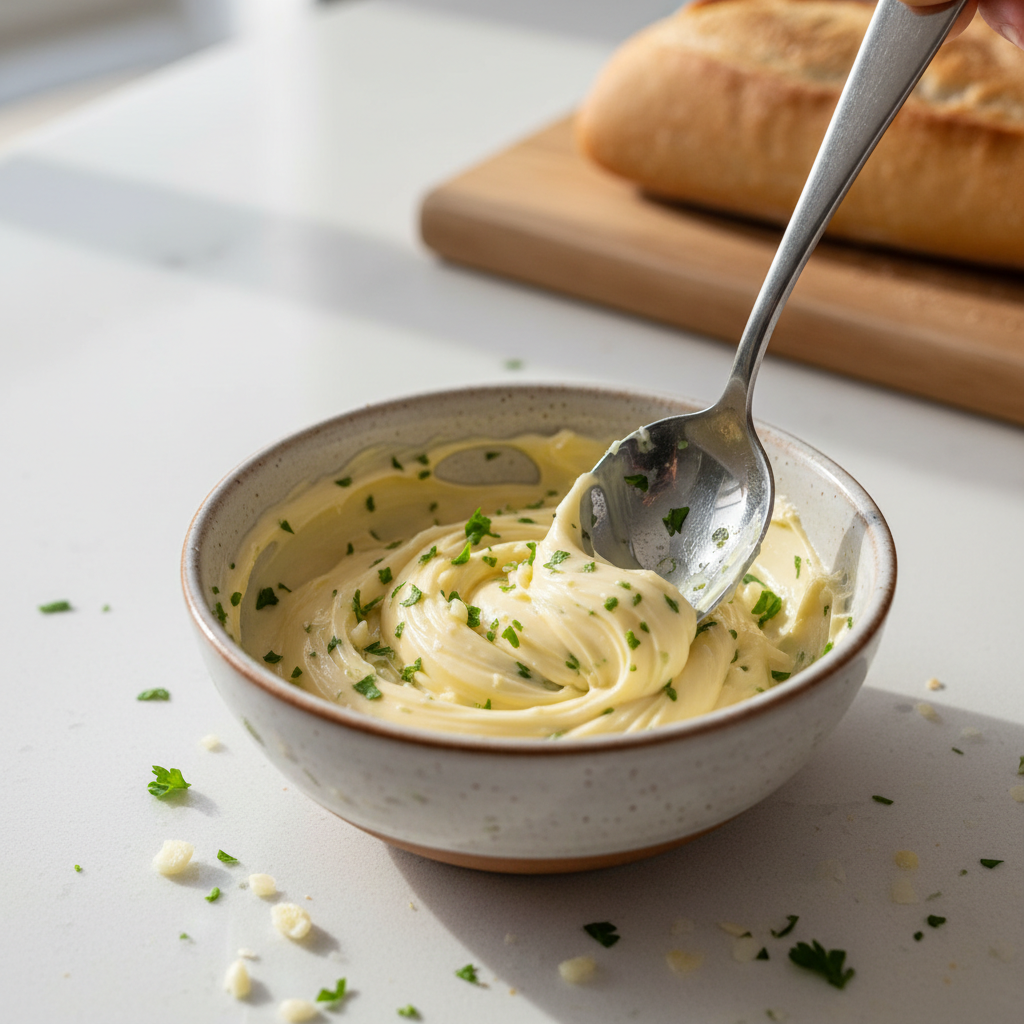
Key point: If you broil, don’t walk away. Garlic can go from golden to bitter fast once it’s exposed to direct top heat.
Time & temp cheat sheet (so you can stop guessing)
Ovens vary, and bread thickness varies more than people think. This table keeps you in the right zone.
| Style | Oven setting | Time | Best for |
|---|---|---|---|
| Soft center, crisp edges | 425°F bake | 7–10 min | Most weeknight meals |
| Extra crispy top | 425°F bake + brief broil | 7–10 min + 0.5–1 min | Pizza night, serving guests |
| Thick bread / very crusty loaf | 400°F bake | 10–12 min | Avoid over-browning before heating through |
| Frozen garlic bread (homemade) | 425°F bake (from frozen) | 12–15 min | Make-ahead convenience |
If your loaf is already very dry (day-old), reduce time slightly and consider adding a splash of olive oil into the butter so it stays spreadable and melts more evenly.
Self-check: which garlic bread problem are you having?
This takes 20 seconds and saves a lot of “why is it like this?” frustration.
- Soggy middle: butter was melted before spreading, oven not hot enough, or loaf too thick.
- Dry, hard slices: baked too long, rack too high, or not enough spread.
- Harsh garlic flavor: too much raw garlic or garlic pieces too large.
- No flavor: under-salted, weak butter, or spread not reaching edges.
- Burnt spots: broiled too long or garlic exposed directly to high top heat.
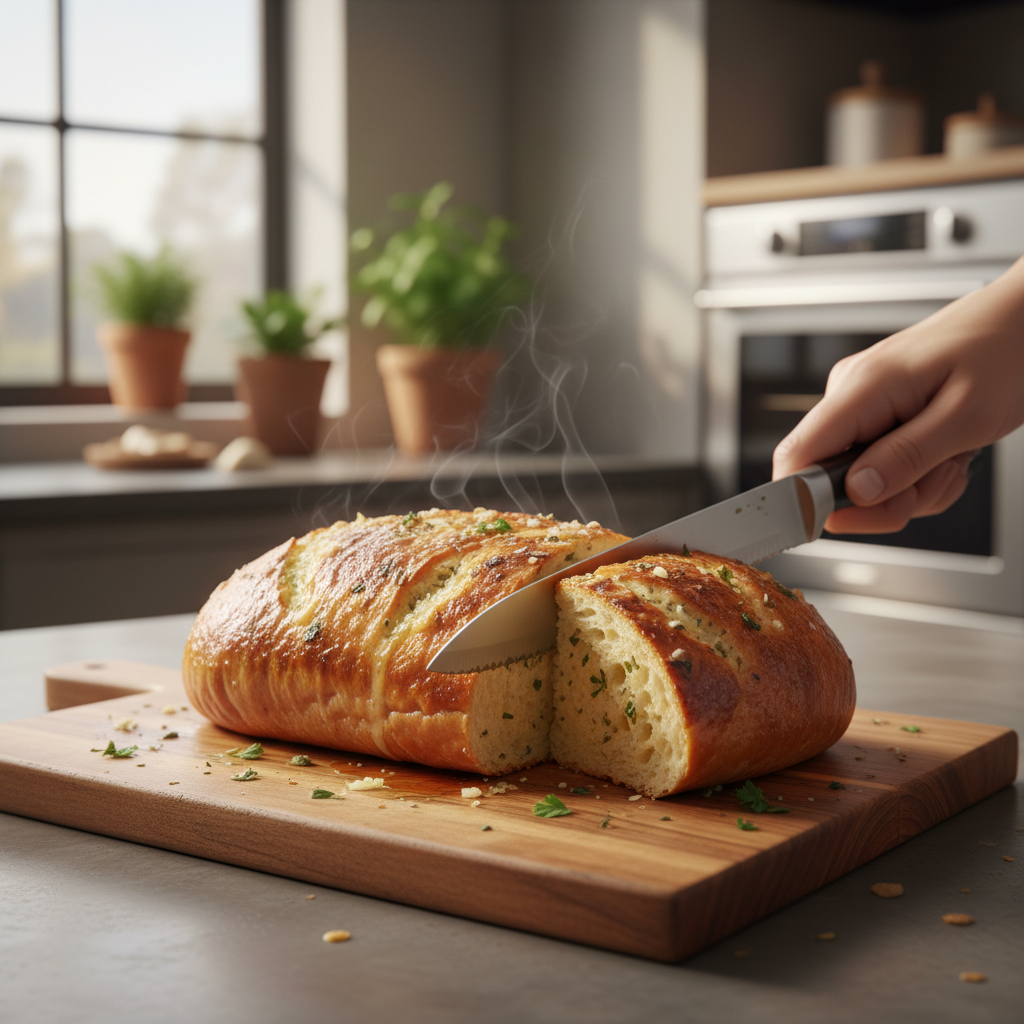
If you’re seeing two problems at once, fix heat first. Once browning and texture are right, dialing in garlic and salt gets much easier.
Easy upgrades and smart substitutions (use what you have)
You don’t need a complicated ingredient list, but a couple tweaks can make the same garlic bread recipe taste “restaurant-ish”.
Flavor upgrades that show up in the first bite
- Butter + olive oil (4:1): helps spreadability and keeps the crumb tender.
- Grated garlic instead of chopped: more even flavor, fewer burnt bits.
- Parmesan + pinch of red pepper flakes: salty, savory, a little heat.
- Garlic powder backup: if fresh garlic is harsh, add 1/4 tsp garlic powder and use fewer fresh cloves.
Common substitutions
- No parsley: try dried Italian seasoning, use less than you think.
- Dairy-free: plant-based butter works, watch salt level since brands vary.
- Pre-minced garlic: workable in a pinch, but often milder, so you may need more.
Make-ahead, storage, and reheating (without ruining texture)
Garlic bread is best right after baking, but life is messy, and dinner timing rarely stays perfect.
Make-ahead garlic butter
- Mix spread, refrigerate up to 3 days in a sealed container.
- Before using, let it sit briefly so it becomes spreadable, do not leave out for long periods.
Freeze for later
- Assemble bread with spread, wrap tightly, freeze up to 1 month for best flavor.
- Bake from frozen using the table above, add time as needed.
Reheat leftovers
- Oven or toaster oven at 350°F for 5–8 minutes.
- Avoid microwaving if you care about crispness, it tends to turn bread chewy.
Key takeaways before you bake
- Use softened butter for even coverage, melted butter usually causes sogginess.
- High heat (around 425°F) gives quick browning without drying out the center.
- Broil only at the end, and only if you can watch it.
- Salt and edge-to-edge spreading make the difference between “fine” and “gone in 2 minutes”.
If you want to keep this garlic bread recipe in your back pocket, memorize just two numbers: 425°F and 7–10 minutes. Everything else is a small adjustment.
Conclusion: a quick side that actually feels special
Fast garlic bread doesn’t need shortcuts that taste like shortcuts. Pick decent bread, mix a properly seasoned garlic butter, and bake hot enough to brown before the crumb dries out.
Your next move is simple: make a double batch of garlic butter, use half tonight, freeze the rest on a week you’re already cooking. Future-you will be very glad you did.
FAQ
What’s the fastest garlic bread recipe if I only have sandwich bread?
You can do it, just treat it like garlic toast. Spread a thin layer of garlic butter, bake at 425°F for a shorter window, usually 5–7 minutes, and watch the edges because it browns quickly.
Can I use jarred minced garlic for garlic bread?
Yes, many home cooks do. The flavor is often milder and sometimes slightly acidic, so you may want a bit more, and balancing with Parmesan or a pinch of garlic powder can help.
Why does my garlic bread turn out greasy?
Usually too much butter for the bread’s structure, or butter fully melted before spreading. Try softened butter, spread a thinner layer, and bake a minute longer so the top sets.
How do I keep garlic from burning under the broiler?
Use grated garlic mixed into butter so it’s protected by fat, and broil briefly. If your broiler runs hot, skip it and just bake a bit longer for color.
Is it okay to leave garlic butter out to soften?
For short softening periods it’s commonly done, but time at room temperature should be limited because butter is perishable. If you’re serving people with higher risk, it’s worth being stricter, and when in doubt, follow USDA guidance.
What bread works best for homemade garlic bread?
French bread and Italian loaves are dependable because they crisp outside while staying tender inside. Very crusty baguettes can be great too, they just need closer timing.
Can I make this garlic bread recipe without an oven?
A skillet works surprisingly well. Toast cut-side down on medium heat with a lid for a minute or two to warm through, then uncover to crisp, keeping the heat moderate so garlic doesn’t scorch.
How do I make cheesy garlic bread without it getting rubbery?
Add cheese toward the end. Bake most of the way, then sprinkle mozzarella and return for 2–3 minutes, finishing with a quick broil only if your oven is gentle.
If you’re cooking for guests and want a more “set it and forget it” approach, you can prep the loaf and freeze it flat so it bakes straight from frozen, it’s a small habit that makes weeknights feel a lot less rushed.