
how to make pickles cucumber easy usually comes down to two things, a reliable vinegar-salt-sugar ratio and a method that fits your schedule, most people don’t need fancy gear to get crunchy, punchy pickles at home.
If you’ve tried before and ended up with limp cucumbers, harsh vinegar bite, or a jar that tastes “flat,” you’re not alone, small choices like cucumber type, salt brand, and chill time matter more than people expect.
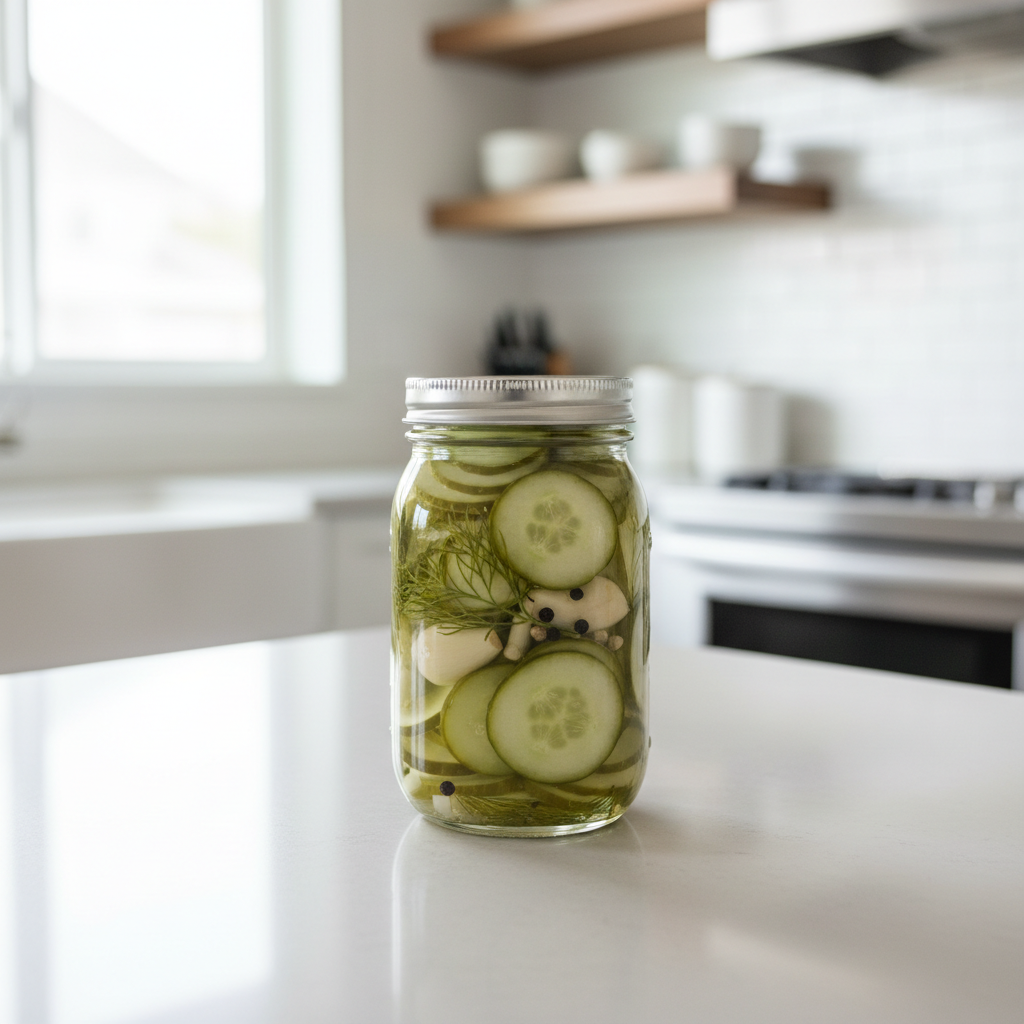
This guide keeps it practical, you’ll get a quick refrigerator pickle approach, a small table for timing and flavor, and a few “save your batch” fixes when something feels off. If you want shelf-stable canning, I’ll flag what’s different so you don’t accidentally treat fridge pickles like pantry pickles.
What “easy cucumber pickles” really means (and what it doesn’t)
Most home cooks searching for an easy method want refrigerator pickles, cucumbers packed in a brine and stored cold. They’re fast, low stress, and taste great within a day or two.
- Refrigerator pickles: no water-bath canning, keep refrigerated, typically best within a few weeks.
- Quick pickles: often the same idea, sometimes brine is heated for speed.
- Fermented pickles: salt brine, natural fermentation, more time and more variables.
- Canned pickles: shelf-stable, requires tested canning steps and acidity control.
According to the USDA, safe home canning depends on using properly tested recipes and processes, so if your goal is shelf stability, stick to canning-specific instructions rather than improvising with a fridge recipe.
Ingredients that make or break crunch
Here’s the honest part, cucumbers vary. A flawless brine can’t fully rescue a cucumber that’s old, watery, or waxed.
Pick the right cucumbers
- Kirby or Persian cucumbers: usually crisper, fewer seeds, great for quick pickling.
- Garden cucumbers: can work, but often need seed-scooping and thicker slices.
- Fresh matters: the closer to purchase or harvest, the better the snap.
Salt, vinegar, and water choices
- Salt: pickling salt or kosher salt tends to dissolve cleanly, table salt can make brine taste overly “sharp” and sometimes looks cloudy.
- Vinegar: plain distilled white vinegar stays bright, apple cider vinegar tastes rounder and a bit sweet.
- Water: if your tap water tastes strongly chlorinated, filtered water often makes a cleaner brine.
Key point: don’t casually reduce vinegar or salt if you’re unsure, especially if you’re storing longer than a few days. For health-related questions around sodium intake, it may help to ask a clinician or dietitian, since needs vary.
A simple brine ratio you can remember
If you want how to make pickles cucumber easy without memorizing ten variations, use this baseline, it’s forgiving and tastes “classic.”
- 1 cup vinegar (white or apple cider)
- 1 cup water
- 1 tbsp kosher salt (or pickling salt)
- 1 tbsp sugar (optional, helps balance acidity)
That makes enough brine for roughly one pint jar of slices, depending on how tight you pack. If you scale up, keep the same ratio.
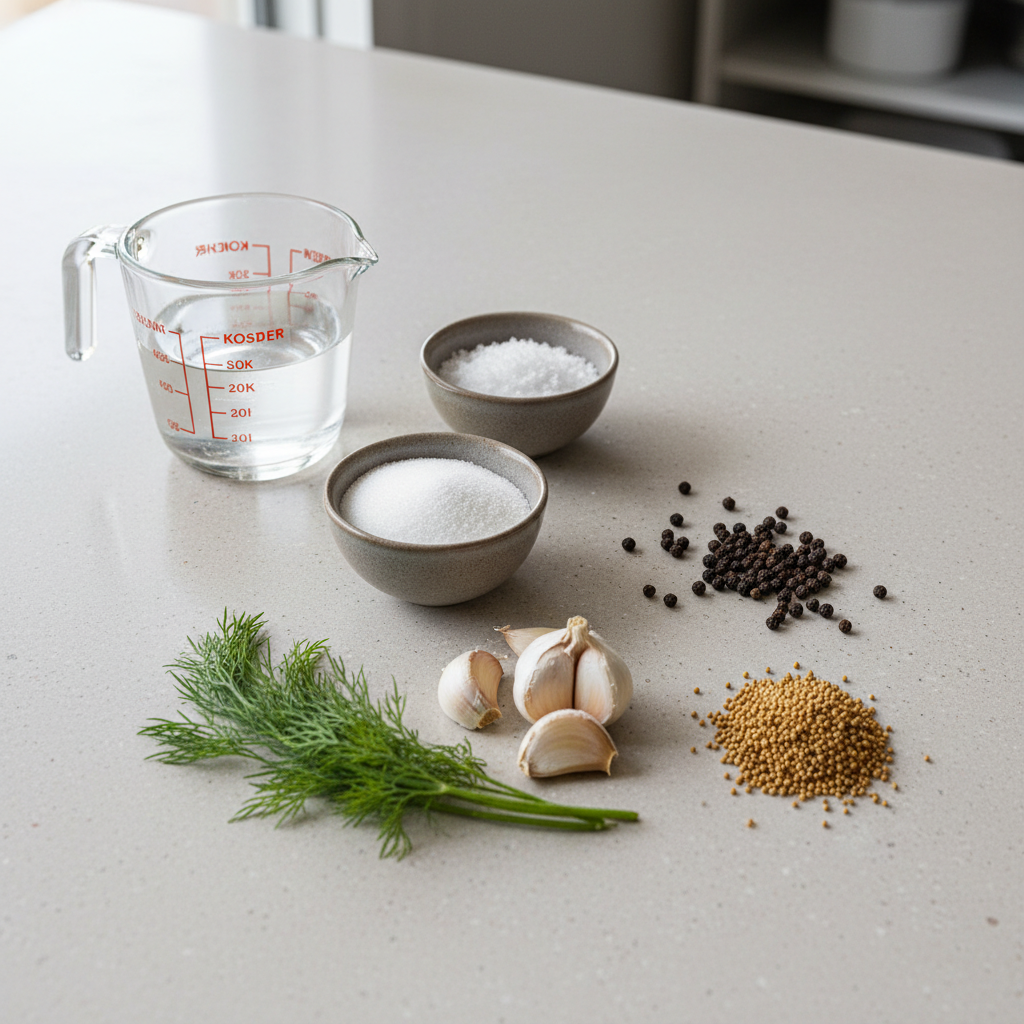
Want more heat or garlic? Add more spices, not more salt. Flavor add-ins are where you can freestyle without destabilizing the basics.
Step-by-step: easy refrigerator cucumber pickles
This method takes about 10–15 minutes of active time, then the fridge does the rest.
1) Prep cucumbers
- Wash, then slice into rounds, spears, or chips.
- Trim the blossom end if you can spot it, many cooks believe it can soften pickles.
- If using large cucumbers, consider scooping watery seeds for better texture.
2) Pack the jar
- Add aromatics first: smashed garlic, dill, peppercorns, mustard seed, red pepper flakes.
- Pack cucumbers snugly but not crushed.
3) Make the brine
- Combine vinegar, water, salt, and sugar.
- For faster flavor, warm the brine just enough to dissolve salt and sugar, then cool slightly.
4) Pour, seal, chill
- Pour brine to fully cover cucumbers.
- Seal, cool to room temp if brine was warm, then refrigerate.
When can you eat them? You’ll get a light pickle vibe in a few hours, but most batches taste noticeably better after 24–48 hours.
Flavor options that actually taste different
Small swaps change the whole jar, pick one direction so flavors don’t fight each other.
- Classic deli-ish: dill + garlic + black peppercorns + mustard seed
- Spicy: red pepper flakes or sliced jalapeño, plus a pinch of coriander seed
- Sweet-tangy: add a bit more sugar, plus thin sliced onion
- Extra bright: a strip of lemon peel, plus fresh dill
If you’re learning how to make pickles cucumber easy for weeknight meals, keep one “base jar” simple, then do a second jar with bold spices so you can compare.
Timing, texture, and storage (with a quick table)
Refrigerator pickles are about personal preference, some people love barely-pickled crunch, others want full-on deli tang.
| Pickle style | Cut | Ready to eat | Best texture window |
|---|---|---|---|
| Light quick pickle | Thin rounds | 4–8 hours | 1–3 days |
| Classic fridge pickle | Rounds or chips | 24–48 hours | 3–14 days |
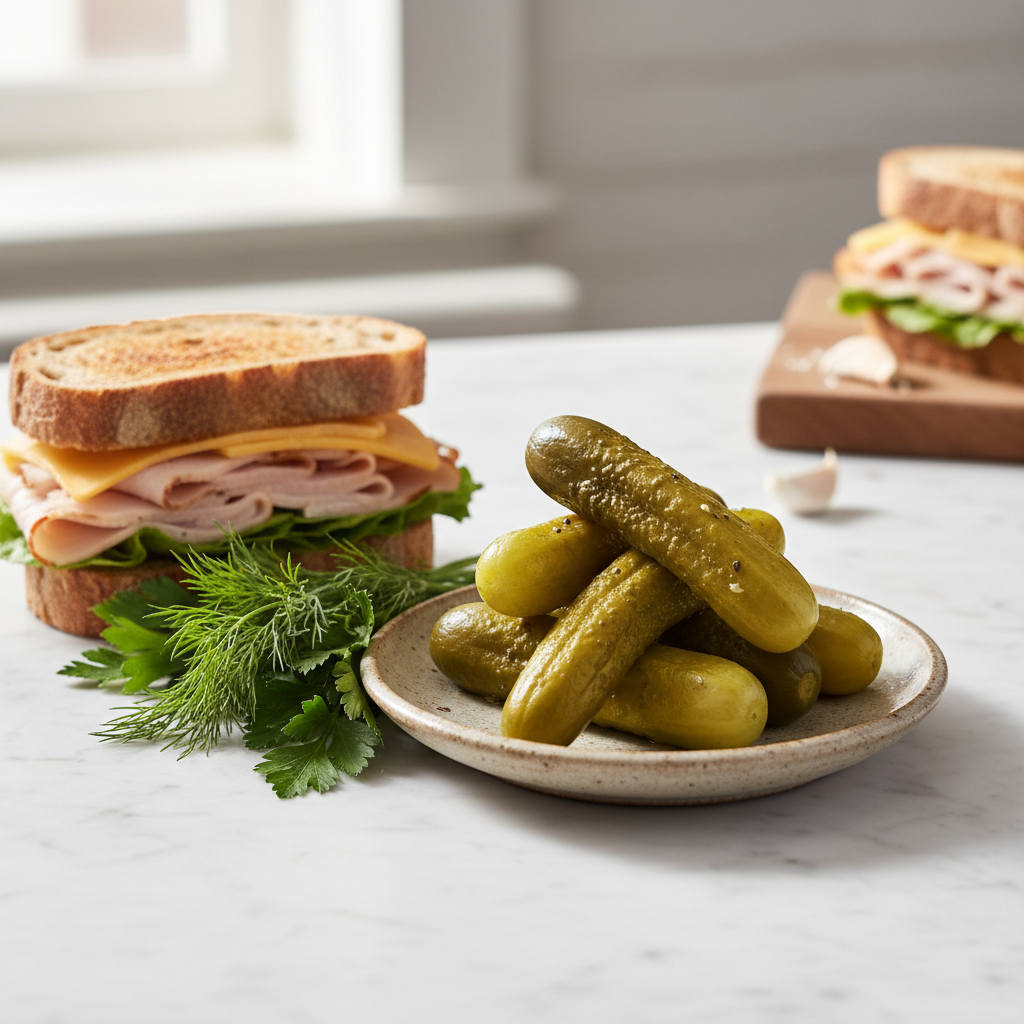
| Hearty sandwich spears | Spears | 2–3 days | 5–21 days |
Many batches stay enjoyable for a few weeks refrigerated, but smell, cloudiness, and soft texture can show up over time. According to the FDA, when you’re unsure about a food’s safety, it’s better to discard it than gamble.
Storage rule: keep them cold, keep them submerged, use clean utensils so you don’t introduce contaminants.
Troubleshooting: what to do when a jar goes wrong
Most pickle failures are predictable, and the fixes are usually small.
- Too sour: next batch, use apple cider vinegar or add a touch more sugar, for this jar, let it sit another day and serve with fatty foods like burgers or tuna salad.
- Too salty: you can dilute brine with a bit of water, but flavor will soften too, next time, measure salt carefully and stick to the same brand if possible.
- Not flavorful: add more dill, garlic, peppercorns, and give it 24 hours, flavor needs time to travel.
- Not crunchy: use fresher cucumbers, cut thicker, chill longer, some people add a grape leaf for tannins, results vary.
- Cloudy brine: often from spices or salt type, if it smells fine and stayed refrigerated, it can still be okay, if odor is off, discard.
If you’re serving to guests, or anyone with a higher risk from foodborne illness, play it conservative.
Key takeaways before you start
- Use crisp cucumbers, Kirby or Persian usually behave well.
- Keep the brine ratio steady, then customize with spices.
- Fridge pickles are not shelf-stable, refrigerate and use clean tools.
- Give them time, most jars taste better after 24–48 hours.
Conclusion: a low-effort routine you’ll actually repeat
If your goal is how to make pickles cucumber easy, aim for a repeatable baseline brine, then change only one thing at a time, cut style, vinegar type, or spice mix, so you learn what your taste likes.
Make one jar today with dill and garlic, set a reminder to taste it tomorrow, and if it’s close but not perfect, adjust the next jar instead of “fixing” everything at once. That’s how pickles stop being a project and start being a habit.