
how to make sambar recipe south indian is mostly about getting three things to land at the same time, a dal base that feels silky, a tang that tastes bright not sharp, and a masala aroma that shows up before the heat does. If your sambar turns watery, flat, or “just like lentil soup,” it usually isn’t your effort, it’s the order of steps and a couple small ingredient choices.
This guide walks you through a reliable home version that works in an American kitchen, with notes on swaps for common U.S. grocery stores and what to do when you only have one pot and a blender. I’m also calling out the spots where people tend to overdo tamarind, undercook lentils, or add spices too early.
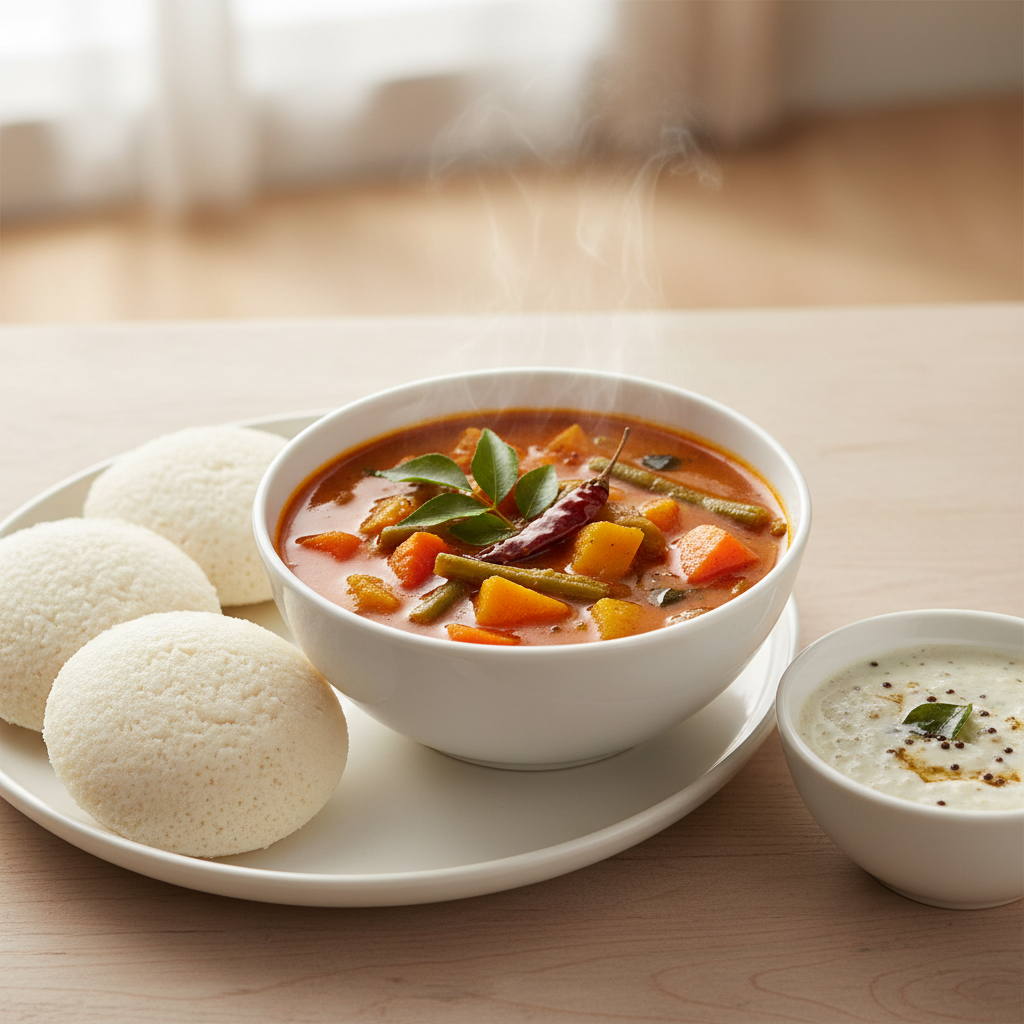
One more thing before we cook, “sambar” isn’t one single recipe. It changes by region and even by household, so treat this as a strong baseline you can tune once you taste what you like.
What South Indian sambar tastes like (and why it’s different)
Sambar is a South Indian lentil and vegetable stew built on toor dal plus a souring agent, usually tamarind. What makes it feel “South Indian” is the particular spice profile, often from sambar powder, and the finishing tempering called tadka or thalimpu, hot oil infused with mustard seeds, curry leaves, and more.
Many U.S. cooks compare it to “Indian vegetable soup,” but classic sambar should taste layered, with savory dal body, a gentle sweetness from vegetables, a noticeable tang, and a toasted spice finish. If any one piece dominates, it won’t feel right.
Ingredients and smart U.S. grocery substitutions
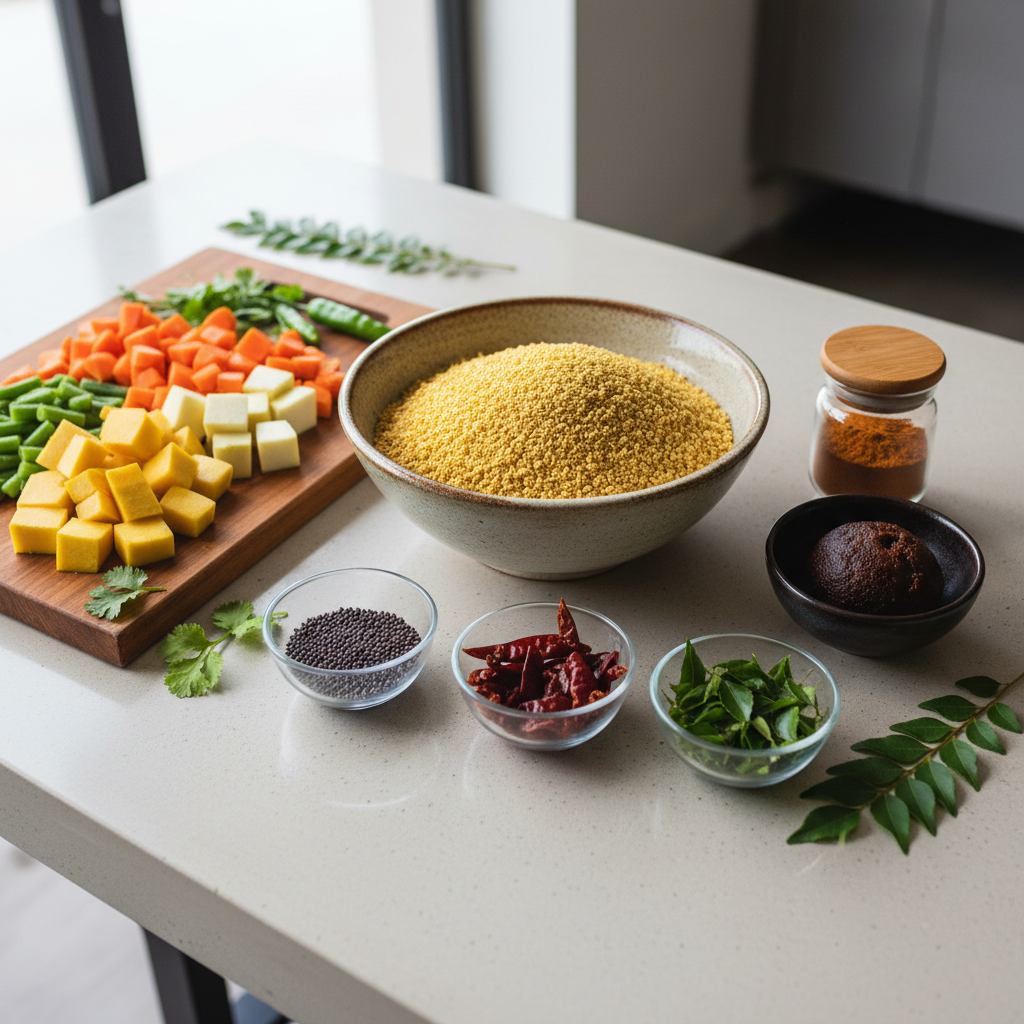
You can make how to make sambar recipe south indian approachable by separating ingredients into “must-haves” and “nice-to-haves.” Get the must-haves right, then upgrade later.
Must-haves
- Toor dal (split pigeon peas), 3/4 cup
- Tamarind (paste or block), for sourness
- Sambar powder, store-bought works well
- Vegetables, 2 to 3 cups total (see below)
- Mustard seeds and curry leaves for tempering, if you can find them
- Salt, turmeric, neutral oil
Great vegetables to use in the U.S.
- Carrots, zucchini, green beans, eggplant, okra
- Pumpkin or butternut squash for body and sweetness
- Tomatoes add acidity, but don’t replace tamarind completely
- Frozen mixed veggies work in a pinch, just avoid broccoli-heavy blends
Optional but helpful
- Asafoetida (hing), a pinch for savory depth
- Jaggery (or a tiny bit of brown sugar), to round sourness
- Fenugreek seeds, 1/4 tsp for a gentle bitterness
Quick ingredient table
| Ingredient | What it does | Swap if needed |
|---|---|---|
| Toor dal | Body and protein, creamy base | Yellow split peas (texture differs) |
| Tamarind | Signature tang | Lime juice in a pinch (add at end) |
| Sambar powder | Main spice blend | Mix coriander + cumin + chili + fenugreek, but flavor shifts |
| Curry leaves | Fresh, citrusy aroma | Not a true swap, skip if unavailable |
| Mustard seeds | Nutty pop in tempering | Skip rather than replace with mustard powder |
Why sambar goes wrong (real-world causes)
If you tried how to make sambar recipe south indian before and felt disappointed, it’s usually one of these.
- Dal isn’t cooked enough, it stays grainy and the stew never thickens.
- Tamarind goes in too early, the sour note turns harsh and can slow down lentil softening in some situations.
- Sambar powder gets “boiled to death”, aromas fade, heat remains, so it tastes dull but spicy.
- Too many watery vegetables, especially zucchini plus tomatoes plus frozen veg, the balance drifts.
- No finishing tempering, the stew tastes correct but doesn’t smell exciting, which is half the experience.
According to the USDA FoodData Central, lentils and split peas are naturally rich in fiber and protein, which is why the cooking texture matters so much here, undercooked dal doesn’t just taste “a bit firm,” it changes the whole mouthfeel.
A quick self-check before you start
Use this to pick the right approach, so you don’t fight your equipment mid-cook.
- If you have a pressure cooker or Instant Pot, dal becomes creamy faster and consistency stays predictable.
- If you only have a pot, plan extra simmer time and whisk the dal at the end to smooth it out.
- If tamarind feels intimidating, start with less, then adjust after 5 minutes of simmering.
- If you’re cooking for kids or spice-sensitive guests, choose mild sambar powder and use fewer dried chilies in tadka.
Step-by-step: how to make South Indian sambar at home
This method targets a medium-thick sambar that works with rice, idli, or dosa. You can always thin with hot water.
1) Cook the dal until it turns creamy
- Rinse 3/4 cup toor dal until water runs mostly clear.
- Cook with 3 cups water, 1/4 tsp turmeric, and a pinch of salt.
- Pressure cooker: 8 to 12 minutes at high pressure, natural release 10 minutes.
- Stovetop: simmer 35 to 50 minutes, add hot water if it thickens too fast.
When it’s ready, mash with a whisk or spoon until smooth, a few tiny lumps are fine, gritty dal is the thing you’re trying to avoid.
2) Build the vegetable base
- In a pot, add 2 tsp oil, then sauté 1/2 chopped onion (optional) until soft.
- Add vegetables that need time first, like carrots, green beans, squash.
- Add 1 to 1.5 cups water, cover, simmer until fork-tender.
Tomatoes can go in mid-way, okra and zucchini go later so they don’t dissolve.
3) Add tamarind and spices in the right order
- Stir in tamarind: start with 1 to 1.5 tbsp paste (or soaked extract from a small piece of block tamarind).
- Add 1.5 to 2 tbsp sambar powder and salt to taste.
- Simmer 6 to 10 minutes so raw spice notes mellow.
If you’re using a little jaggery or brown sugar, add it now, a small pinch often makes the tang taste cleaner.
4) Combine dal + veggie pot, then adjust consistency
- Pour the mashed dal into the vegetable pot.
- Simmer 5 to 8 minutes, taste, then adjust with hot water.
- If it tastes flat, it usually needs salt or a touch more tamarind, not more chili.
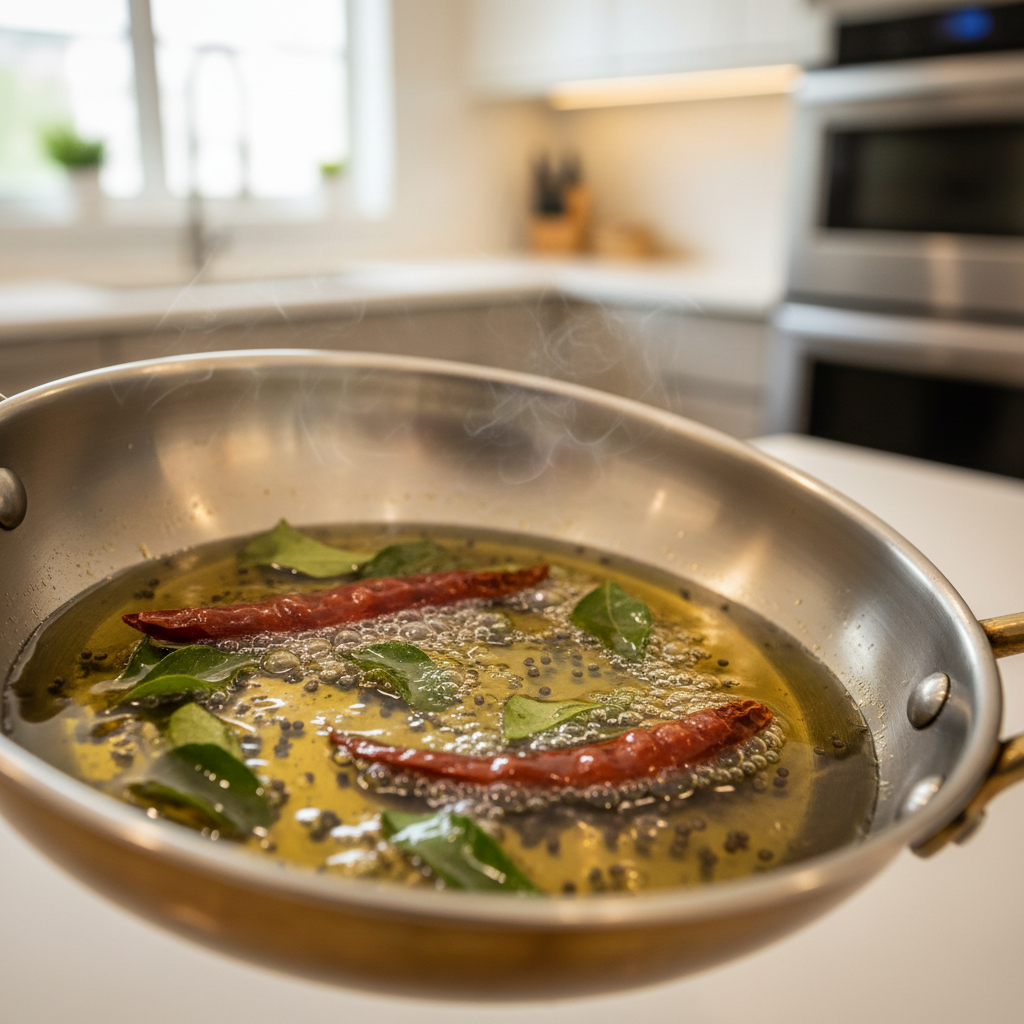
5) Finish with tempering (this is not optional if you want “restaurant aroma”)
- In a small pan, heat 1 tbsp oil or ghee.
- Add 1 tsp mustard seeds, when they start popping add 8 to 12 curry leaves.
- Add 1 to 2 dried red chilies and a pinch of hing if using.
- Pour hot tempering over sambar, cover 2 minutes.
Practical tips to get the flavor right (without overthinking it)
These are the small edits that usually separate “nice” from “wow, this tastes like South Indian food.”
- Toast level matters: if your sambar powder smells dusty, briefly bloom it in the simmering pot, don’t fry it hard in oil.
- Tamarind is easier to fix than chili: add sourness gradually, simmer, then taste again.
- Texture trick: if it’s thin, simmer uncovered 5 to 10 minutes, if it’s thick, add hot water, not cold.
- Let it rest: 15 minutes off heat often makes spices taste more integrated.
Common mistakes and how to fix them fast
- Too sour: add more cooked dal or a little extra water, then a tiny pinch of jaggery, simmer 3 minutes.
- Not sour enough: add 1 tsp tamarind paste, simmer 5 minutes before judging.
- Bitter edge: can happen from too much fenugreek or burnt tempering, dilute slightly and keep the simmer gentle.
- No aroma: do a fresh small tadka and pour on top right before serving.
- Vegetables mushy: next time, stagger veg timing, for today, treat it as a thicker “kootu-like” bowl and serve with rice.
Food safety note: if you’re new to pressure cooking, follow your manufacturer’s instructions. According to the U.S. Food and Drug Administration (FDA), keeping hot foods hot and cooling leftovers quickly helps reduce foodborne illness risk, so refrigerate sambar within a reasonable time and reheat to steaming.
Serving, storing, and meal-prep notes
Sambar is flexible, which is why it’s a staple. For serving, it pairs best with steamed rice, idli, dosa, or even plain toast in a pinch. A spoon of ghee on top is common, but not required.
- Fridge: many home cooks keep it 3 to 4 days, if it smells and tastes normal, reheat to a full simmer.
- Freezer: freezes well, though vegetables soften more after thawing.
- Meal-prep move: cook dal in bulk, freeze in portions, then make fresh vegetable base and tempering when needed.
Key takeaways (so you remember the important parts)
- Creamy dal is the foundation, cook it fully and mash it smooth.
- Add tamarind after vegetables soften, then simmer so it tastes rounded.
- Don’t skip tempering, it’s the easiest way to lift flavor.
- Taste in stages, especially for salt and sourness.
If you want a dependable weeknight approach, save this method and run it a couple times with the same vegetables, once the process feels familiar, then start swapping produce and tuning tang. That’s usually when how to make sambar recipe south indian stops feeling like “a recipe” and becomes something you can do on instinct.
FAQ
How do I make sambar recipe south indian style without toor dal?
You can use yellow split peas, the flavor stays pleasant but the texture and aroma shift a bit. If you go this route, cook until very soft and whisk well, then lean on tempering for the “South Indian” finish.
Can I make sambar without tamarind paste?
Yes, but it won’t taste quite the same. Lime juice can add acidity, just add it off heat or right at the end, because prolonged boiling can dull that fresh sour note.
What’s the difference between sambar powder and curry powder?
Sambar powder is formulated for lentils and tamarind-based stews, often with ingredients like fenugreek and more lentil-friendly spices. Curry powder is a broad Western category and can taste out of place here.
Why is my sambar watery even after simmering?
Most of the time the dal wasn’t cooked soft enough or wasn’t mashed. Simmering helps, but it won’t magically thicken if the lentils stay intact, whisking the dal base usually fixes it.
Do curry leaves really matter for South Indian sambar?
They matter for aroma more than taste, and that aroma reads “South Indian” to many people. If you can’t find them, skip rather than using bay leaf, it won’t mimic the same profile.
Is sambar considered healthy?
It can be a balanced dish with lentils and vegetables, but health needs vary by person. If you manage sodium for medical reasons or have digestive sensitivities to lentils or spicy food, it’s worth checking with a clinician or dietitian.
Can I make sambar in an Instant Pot?
Yes, and it’s often easier for consistent dal texture. Many cooks pressure-cook dal first, then finish vegetables and spices on sauté mode, keeping tempering separate so it stays aromatic.
If you’re trying to make South Indian comfort food feel doable on a U.S. schedule, it helps to keep a small “sambar kit” around, toor dal, tamarind, sambar powder, mustard seeds, and curry leaves in the freezer, then you can rotate vegetables based on what’s already in your fridge.