
Soy sauce recipes are the fastest way I know to turn “I have nothing to cook” into something that tastes intentional, because soy sauce brings salt, umami, and a little sweetness-ready depth in one bottle. If your weeknight meals keep landing somewhere between bland and too salty, this guide is built to fix that without adding complicated steps.
Most people use soy sauce like a final splash, then wonder why the dish tastes sharp or one-note. The better move is to treat it like an ingredient with timing and balance: pair it with acid, add a touch of sugar or aromatics, and decide whether you want it to stay bright or cook down into something richer.
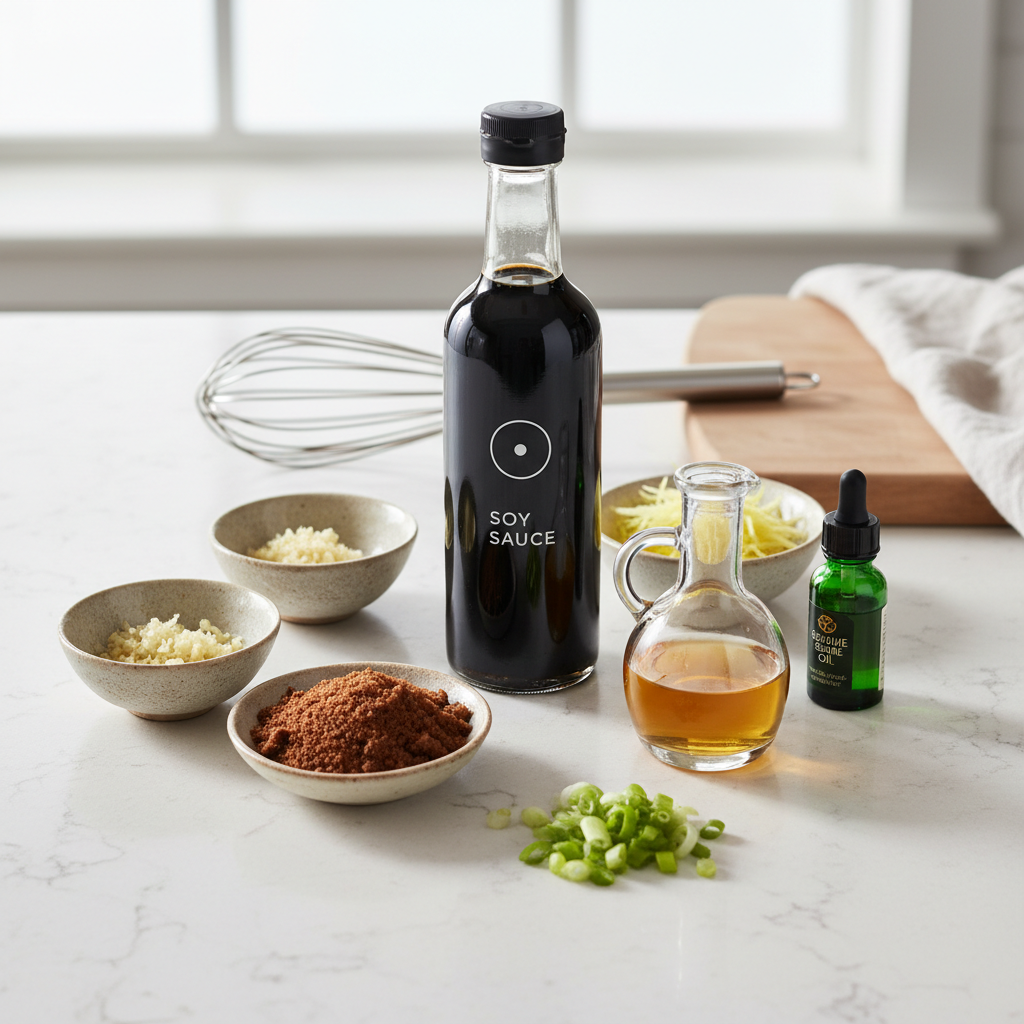
You’ll get a simple flavor blueprint, a few “choose-your-own” homemade-style sauces, and practical dishes you can repeat. No miracle claims, just the kind of habits that make soy sauce work across chicken, tofu, noodles, and vegetables.
What “homemade soy sauce dishes” really means
You’re not fermenting soybeans at home here. In most American kitchens, “homemade” means you start with store-bought soy sauce, then build your own sauce, glaze, or marinade around it.
According to USDA Food Safety and Inspection Service (FSIS)... the safest approach for marinades that touch raw meat is to discard the used liquid or boil it before using as a finishing sauce. That’s a small detail that saves you from a very avoidable mess.
Another reality: soy sauce varies a lot. Regular soy sauce, low-sodium, tamari, and coconut aminos behave differently, so the same “recipe” can swing salty fast. The goal is repeatable ratios, not perfection.
Choose your soy sauce: flavor, salt, and swaps
Before cooking, decide what you want soy sauce to do. A quick stir-fry wants bright, punchy salinity. A braise wants depth and caramel notes. Same bottle, different outcomes.
- Regular soy sauce: bold, salty, classic for stir-fries and sauces.
- Low-sodium soy sauce: easier to control in reductions and marinades, especially if you add other salty ingredients.
- Tamari: usually richer; many brands are gluten-free, but check labels if gluten matters to you.
- “Light” vs “dark” (Asian grocery terms): light is saltier, dark is slightly sweeter and better for color and braises.
If you’re watching sodium for health reasons, it may help to discuss targets with a clinician or dietitian. In cooking terms, using low-sodium soy sauce plus acid and aromatics often keeps flavor high even when salt goes down.
The flavor blueprint: a reliable ratio you can memorize
Most soy sauce recipes get easier when you stop chasing exact instructions and start thinking in building blocks. Here’s a practical “base” that works for noodles, quick stir-fries, and simple glazes.
| Goal | Base Ratio (start here) | Notes |
|---|---|---|
| Quick sauce (no cooking) | 2 tbsp soy sauce + 1 tbsp acid + 1 tsp sweetener | Add garlic/ginger; thin with water if needed |
| Stir-fry sauce | 3 tbsp soy sauce + 2 tbsp stock/water + 1 tbsp acid | Thicken with 1 tsp cornstarch slurry |
| Glaze (reduce) | 3 tbsp soy sauce + 1–2 tbsp sweetener + aromatics | Simmer gently until glossy, watch scorching |
| Marinade | 3 tbsp soy sauce + 1 tbsp oil + 1 tbsp acid | Use for 15–60 min for most proteins |
Key point: acid (rice vinegar, lime, lemon) keeps soy sauce from tasting flat, and a small amount of sugar or honey rounds the edges so it reads “savory” instead of “salty.”
Self-check: why your dish tastes “off” (and the quickest fix)
If soy sauce dishes keep disappointing you, it’s usually one of these issues. This list is meant to help you diagnose, not judge.
- Too salty: you reduced a soy-heavy sauce too long, or used soy sauce plus other salty ingredients (bouillon, salted stock, cheese).
- Flat or dull: missing acid, or aromatics went in too late.
- Bitter/burnt: garlic/sugar scorched in a hot pan before liquid hit.
- Watery: overcrowded pan steamed the food; sauce never clung.
- One-note: no texture contrast (crisp veg, toasted sesame, scallions) and no finishing element.
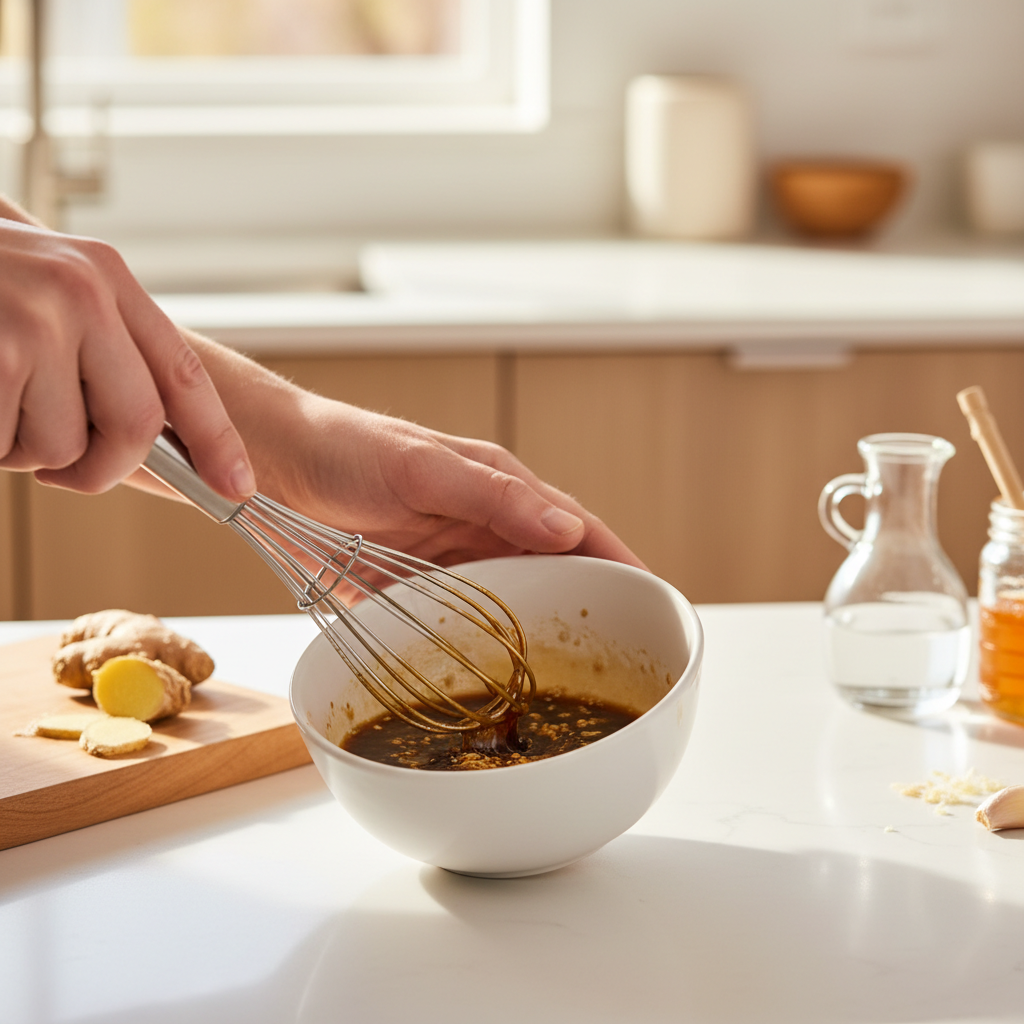
Fast fixes that actually work: add a squeeze of citrus to wake it up, a spoon of water or unsalted stock to tame salt, or a tiny pinch of sugar to smooth harsh edges. If it’s watery, cook the food in smaller batches, then bring sauce back at the end.
5 repeatable homemade-style soy sauce dishes (with flexible options)
These are structured like “templates,” because that’s how weeknight cooking survives. Use what you have, keep the ratios, taste once, then adjust.
1) Garlicky soy noodles (10–15 minutes)
- Sauce: 2 tbsp soy sauce, 1 tbsp rice vinegar, 1 tsp sugar or honey, 1 tsp sesame oil
- Aromatics: 1–2 cloves garlic (grated), optional ginger
- Add-ins: scallions, cucumber ribbons, chili crisp, fried egg, shredded rotisserie chicken
Toss hot noodles with sauce off the heat so the garlic stays fragrant. If it tastes intense, add a splash of noodle water to loosen and balance.
2) Sheet-pan soy honey chicken and broccoli
- Mix: 3 tbsp soy sauce, 1–2 tbsp honey, 1 tbsp lemon juice, 1 tbsp neutral oil
- Roast: chicken thighs or breasts, broccoli florets, sliced onion
Brush half the sauce at the start, then brush again during the last few minutes so it turns glossy instead of disappearing into the pan.
3) Simple tofu “soy-ginger” glaze
- Press: tofu briefly, then cube
- Pan-sear: until golden
- Glaze: 3 tbsp soy sauce, 1 tbsp brown sugar, 1 tbsp rice vinegar, ginger
Keep heat medium when sugar is involved. If it starts to darken too quickly, add a tablespoon of water and keep moving.
4) Soy sauce fried rice (the not-soggy method)
- Use: cold rice if possible
- Season: 1–2 tbsp soy sauce plus a little black pepper
- Boost: frozen peas, diced ham, leftover chicken, scrambled egg
Add soy sauce around the hot pan edge, not directly onto the rice, so it sizzles and perfumes instead of wetting everything.
5) Quick soy-lime shrimp or salmon skillet
- Marinate briefly: 3 tbsp soy sauce, 1 tbsp lime juice, 1 tbsp oil, garlic
- Cook: fast over medium-high heat
- Finish: extra lime zest, cilantro, sliced jalapeño
Seafood turns salty quickly. Short marinades and a bright finish keep it clean.
Practical workflow: meal-prep a soy sauce “kit” (without feeling like meal prep)
If you want these soy sauce recipes to become your default, set up a small routine that takes maybe five minutes.
- Keep 3 acids: rice vinegar, lemon, lime (even bottled lime works in a pinch).
- Pick 2 sweeteners: honey, brown sugar, maple syrup.
- Stock aromatics: garlic, ginger, scallions, plus chili flakes or chili crisp.
- Choose 2 “fast proteins”: eggs, tofu, shrimp, thin-sliced chicken.
- One thickener option: cornstarch for glossy stir-fry sauces.
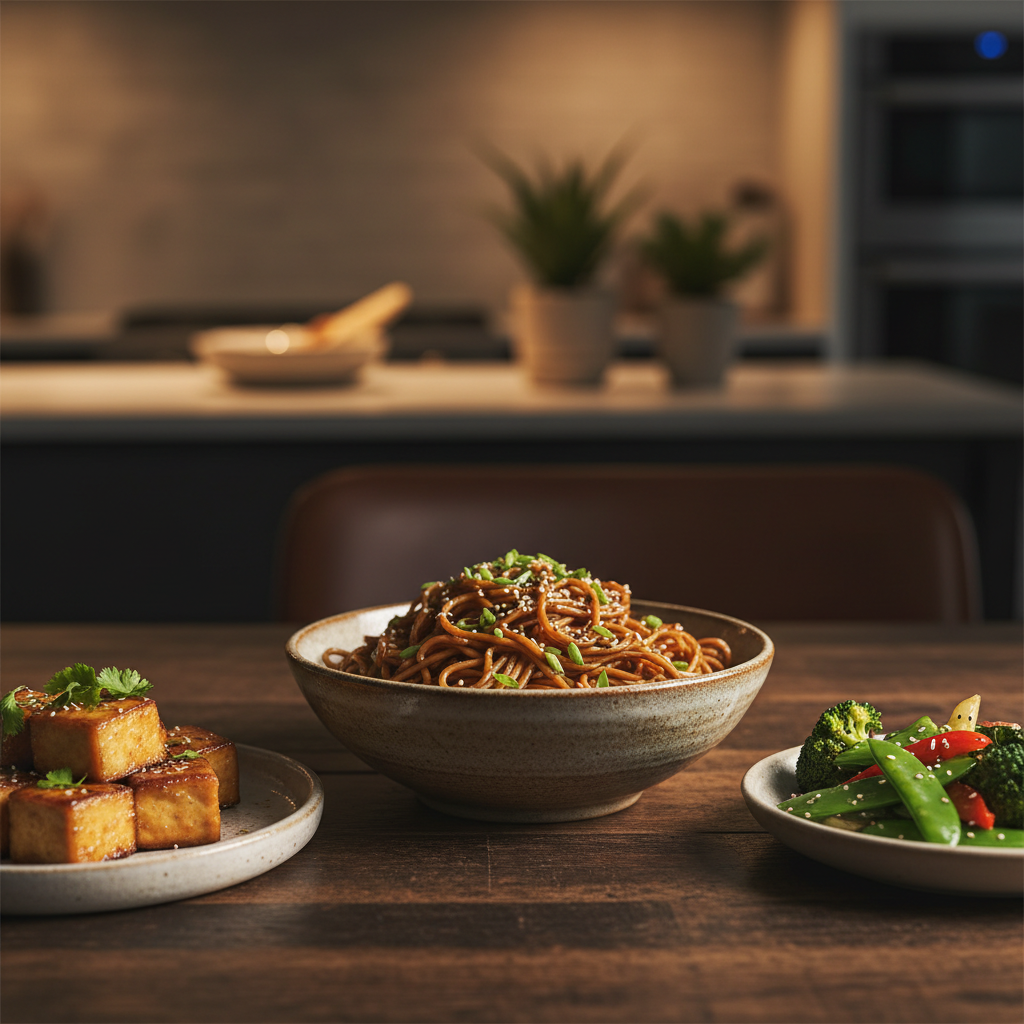
Key takeaway: once you always have soy sauce plus acid plus something sweet, you can improvise dinner without falling into the “too salty, nothing else” trap.
Common mistakes (and what to do instead)
- Dumping soy sauce straight into a dry-hot pan: it can scorch and turn bitter. Add it with other liquids, or lower heat first.
- Using the same soy sauce amount for every brand: salt level varies. Start lighter, then adjust.
- Over-marinating thin cuts: chicken cutlets, shrimp, and fish can turn firm and overly salty. Shorter time usually tastes better.
- Skipping a finishing touch: sesame seeds, scallions, citrus zest, or toasted nuts add contrast that makes the dish feel complete.
If you’re cooking for someone with soy or wheat allergies, don’t assume tamari is always safe, and don’t assume coconut aminos match soy sauce 1:1. Read labels and adjust slowly.
Conclusion: make soy sauce work like a tool, not a crutch
When soy sauce recipes taste great, it’s rarely because they’re complicated, it’s because the cook controls timing, balances with acid and sweetness, and keeps heat from turning aromatics bitter. Pick one template from above, cook it twice, and only then start improvising.
If you want an easy next step, choose either the garlicky noodles or sheet-pan chicken, then set up one “base sauce” jar in your fridge for the week. That single habit tends to pay off fast.
FAQ
What are easy soy sauce recipes for beginners?
Start with noodles, fried rice, or a simple stir-fry sauce. They’re forgiving and teach you the core balance: soy sauce plus acid plus a little sweetness.
How do I keep soy sauce dishes from tasting too salty?
Use low-sodium soy sauce when you plan to reduce a sauce, and add acid and a touch of sugar. If it’s already salty, thin with water or unsalted stock and add more aromatics.
Can I substitute tamari in soy sauce recipes?
Usually yes, but it can taste richer and sometimes less sharp. Start with slightly less, taste, then add back if needed.
Is it safe to reuse marinade as a sauce?
If it touched raw meat or seafood, it’s safer to discard it or boil it before using. When in doubt, make a separate small batch for finishing.
What’s the best vinegar to pair with soy sauce?
Rice vinegar is the most versatile and gentle. Lemon or lime works when you want brighter flavor, especially with seafood and noodles.
How long should I marinate chicken in soy sauce?
Many cuts do well with 30–60 minutes. Thin pieces often need less, otherwise the outside can get salty before the inside benefits.
How do I thicken a soy sauce stir-fry sauce?
Use a cornstarch slurry (cornstarch mixed with cold water), then add it to simmering sauce. Keep it moving for a glossy finish without lumps.
What vegetables work best with soy sauce?
Broccoli, green beans, mushrooms, bell peppers, and snap peas all hold up well. Watery vegetables can work too, but cook them hot and fast so they don’t dilute the sauce.