
Tapioca recipes can feel oddly intimidating for desserts, you follow a package, and still end up with pearls that are hard in the middle or pudding that turns gluey. The good news, most “fails” come from a few fixable steps: hydration, heat control, and timing.
This guide keeps it practical, you’ll get dessert-ready options (pudding, boba, baked treats, chilled cups), plus a quick “which tapioca should I buy” table and a troubleshooting section that saves batches.
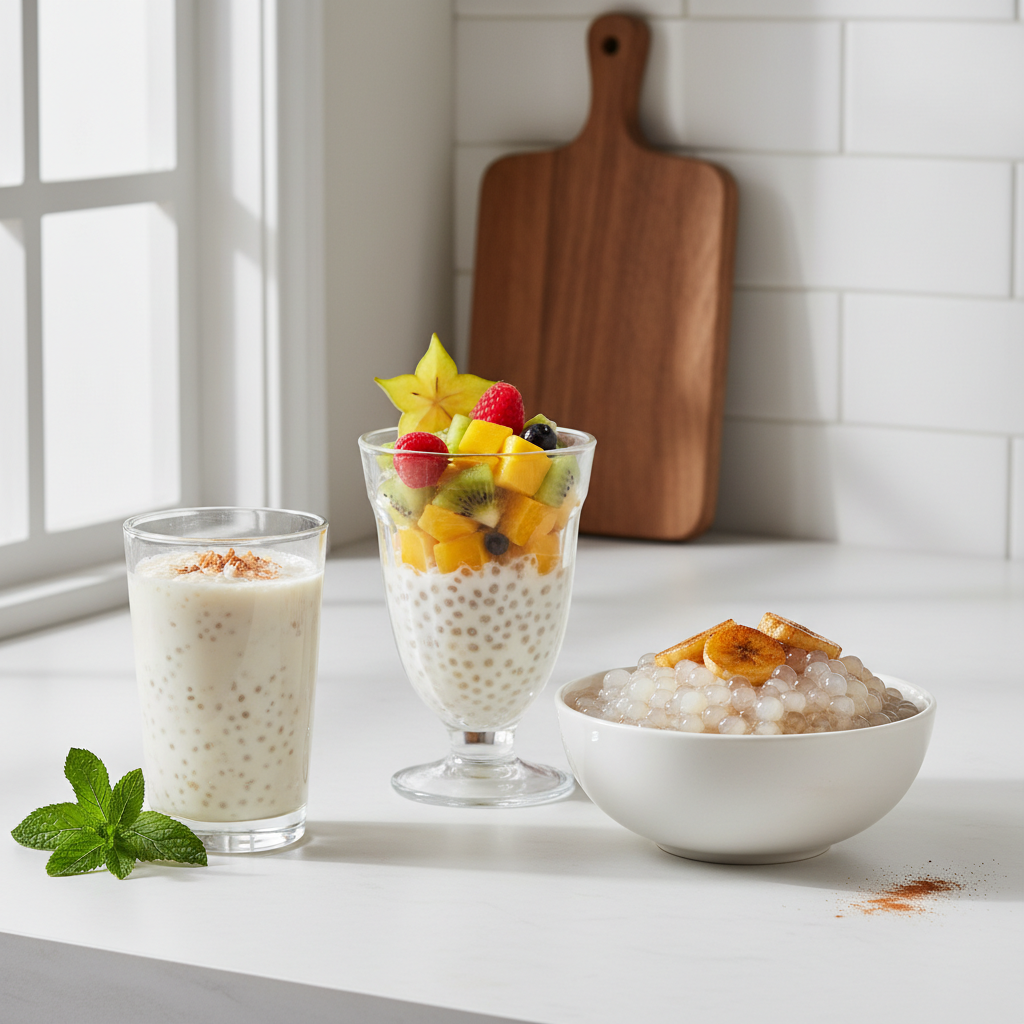
One small note before we cook: “tapioca” can mean tiny pearls for pudding, large pearls for bubble tea, or tapioca starch/flour for baking. Each behaves differently, so picking the right form matters more than chasing a fancy recipe.
Pick the right tapioca: pearls vs starch (quick table)
If your dessert texture feels off, it’s often a mismatch between the recipe and the tapioca type. Use this as a fast filter at the store.
| Tapioca form | Best dessert uses | Texture you should expect | Common mistake |
|---|---|---|---|
| Small pearls (minute/quick) | Pudding, custard-style cups | Soft, lightly bouncy, creamy suspension | Boiling too hard, turns thick and pasty |
| Small pearls (regular) | Pudding with clearer “pearl” bite | More distinct pearls, less thick base | Not soaking or not simmering long enough |
| Large pearls (boba) | Bubble tea, dessert bowls | Chewy center, glossy outside | Letting pearls sit in cold liquid too long |
| Tapioca starch/flour | Chewy cookies, Brazilian-style cheese bread, thickening fruit fillings | Stretchy/chewy, crisp edges when baked | Swapping 1:1 for wheat flour and expecting the same structure |
Why tapioca desserts go wrong (and what’s actually happening)
A lot of tapioca dessert frustration is predictable. Here are the patterns that show up in real kitchens.
- Undercooked centers: pearls need enough time at a gentle simmer for full gelatinization, rushing leaves that chalky bite.
- Gluey pudding: high heat plus constant rapid boiling can cause starch to thicken aggressively, especially with quick pearls.
- Separated dairy: overheating milk or adding acidic fruit too early can make the base split, this is more likely with higher heat and long holds.
- Boba turns hard: large pearls keep changing after cooking; in many cases they stiffen when chilled or when left sitting without a warm syrup.
- “Nothing tastes like anything”: tapioca is neutral, you often need salt, vanilla, and a real flavor anchor (citrus zest, cocoa, toasted coconut) to avoid blandness.
According to the U.S. Food & Drug Administration (FDA), food safety guidance generally emphasizes avoiding the “danger zone” for time/temperature control foods; for dairy-based desserts, don’t leave cooked pudding sitting out for long, and refrigerate promptly.
Fast self-check: which dessert style fits your time and ingredients?
If you’re deciding what to make tonight, don’t start with a recipe, start with your constraint. This list helps you pick a tapioca direction that’s likely to work.
- I want the easiest win: quick pearl vanilla pudding, then customize with toppings.
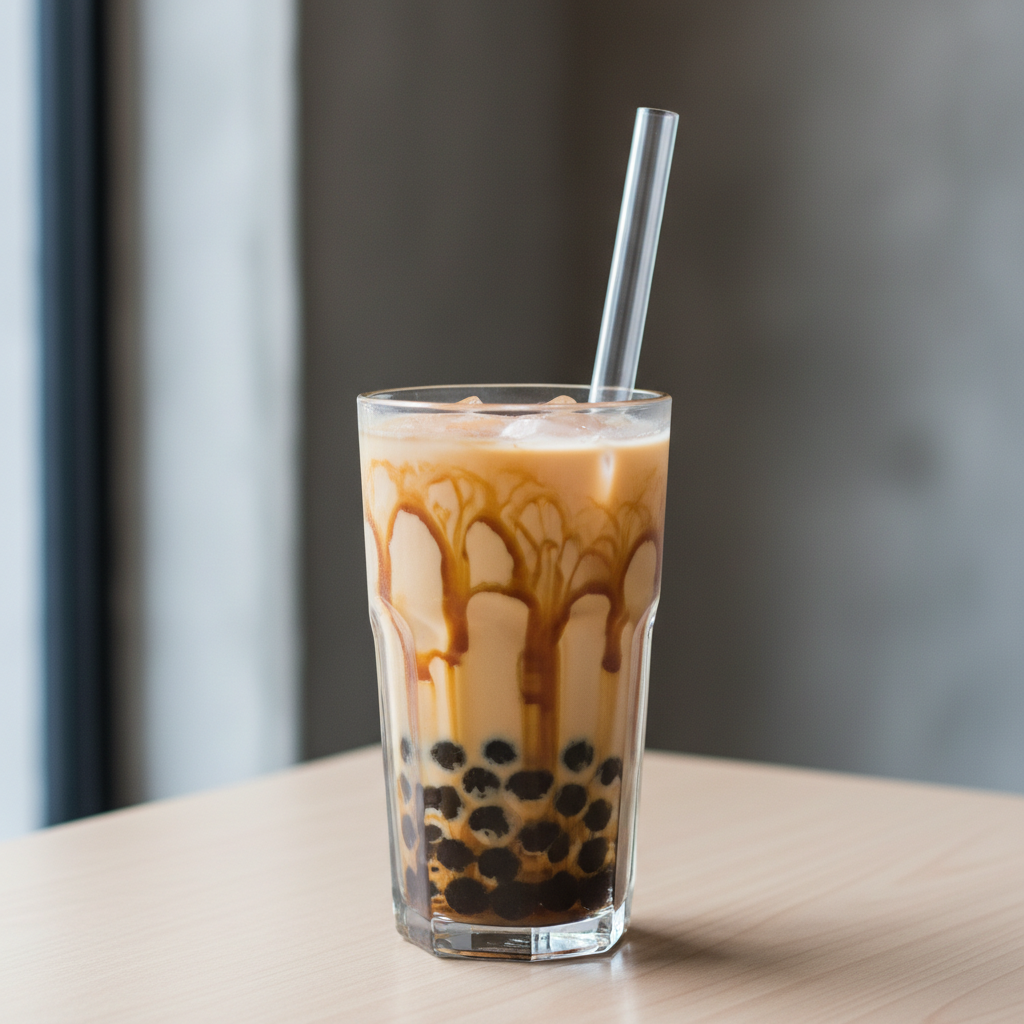
- I want chewy texture: bubble tea pearls with brown sugar syrup, serve warm.
- I’m dairy-free: coconut milk pudding or mango tapioca with coconut base.
- I need a make-ahead dessert: portioned pudding cups, fruit folded in at serving.
- I want to bake: tapioca starch for chewy cookies or thickening fruit fillings.
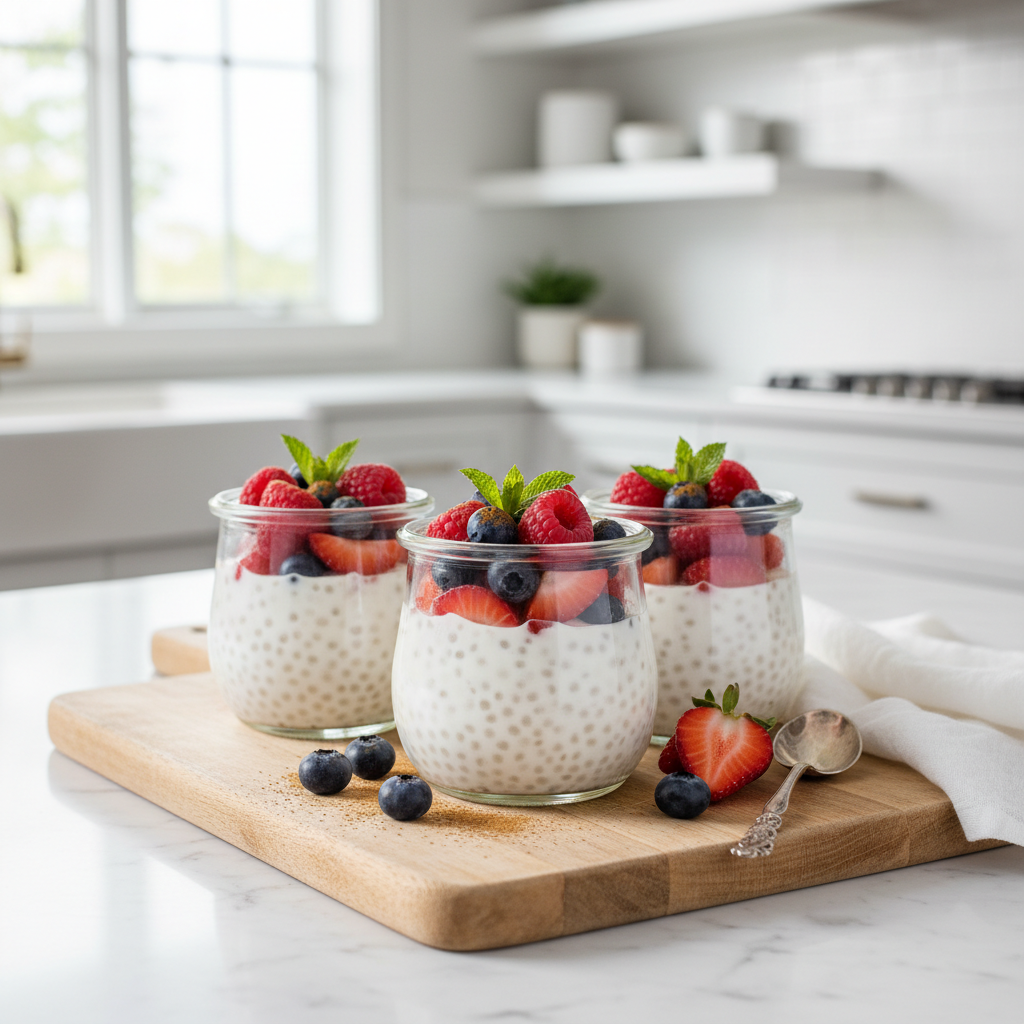
Key takeaway: don’t force one tapioca product into every dessert. The “right” recipe is often the one that matches the tapioca you already have.
Core technique: a reliable tapioca pudding base (then 6 variations)
This is the base I’d point most home cooks to because it’s forgiving. It also teaches the main skill: gentle heat and patience. If your package directions differ, follow them, but keep the principles below.
Basic tapioca pudding method (small pearls)
- Hydrate: if using regular small pearls, soak in water 20–30 minutes when possible. Quick pearls usually skip this.
- Warm, don’t rage-boil: bring milk (or half milk/half cream) up to a gentle simmer with a pinch of salt.
- Cook low and steady: add pearls and simmer, stirring often so the bottom doesn’t scorch.
- Sweeten late: add sugar once pearls start turning translucent; early sugar can slow softening in some cases.
- Finish off-heat: stir in vanilla, and if you use egg yolk for richness, temper it carefully with warm pudding first.
- Rest: pudding thickens as it cools, so stop when it looks slightly looser than your final goal.
Flavor variations that actually show up in the bowl
- Brown sugar + cinnamon: swap part of white sugar for brown sugar, finish with cinnamon and a tiny pinch more salt.
- Coconut cream: replace part of dairy with canned coconut milk, top with toasted coconut flakes.
- Chocolate: whisk in cocoa during heating, finish with chopped dark chocolate off-heat for a smoother taste.
- Lemon-blueberry: add lemon zest to the warm base, fold blueberries in right before serving to avoid bleeding.
- Mango lassi-style: blend mango + yogurt separately, then swirl into chilled pudding cups (avoid boiling yogurt).
- Salted caramel: use a spoonful of caramel sauce plus flaky salt at the end, easier than cooking caramel from scratch.
When people search for tapioca recipes, they often want variety without learning ten new techniques; this “one base, many finishes” approach usually delivers the best effort-to-reward ratio.
Bubble tea pearls at home: chewy boba without the heartbreak
Large pearls are less about ingredients and more about timing. They can be great, but they’re not a “cook once, forget overnight” situation in most homes.
What tends to work
- Boil hard at first: many boba brands want a strong boil to keep pearls moving and prevent clumping.
- Then simmer: reduce heat and cook until the center loses its opaque dot, or is at least close.
- Rest covered: letting pearls sit in hot water off-heat can finish the center without overcooking the outside.
- Syrup bath: toss warm pearls in brown sugar syrup or honey syrup; it improves flavor and slows drying.
How to serve boba in dessert form (not just tea)
- Warm boba over vanilla ice cream with toasted sesame
- Boba + coconut pudding bowls with fresh mango
- Strawberry milk with boba and a squeeze of condensed milk
According to the USDA, perishable foods like cooked milk-based drinks and desserts should be refrigerated promptly; if you’re making boba milk tea ahead, keep components separate and combine closer to serving.
Baked and chilled desserts using tapioca starch (beyond pearls)
Tapioca starch is a different tool, it brings chew and elasticity, not “pearls.” If you like that stretchy bite in mochi-like desserts, this is where it shows up.
- Chewy cookies: use tapioca starch as part of the dry mix (not usually all of it), it can soften crumb and add chew.
- Fruit pie filling thickener: tapioca starch thickens fruit juices and stays glossy, many bakers prefer it to flour for clear fillings.
- No-bake fruit sauce: for quick compotes, a small slurry can stabilize texture, add it to simmering fruit and cook briefly.
If you’re gluten-free, tapioca starch can be helpful, but results vary by recipe and brand. For medical needs like celiac disease, it’s smart to check labeling and consider guidance from a qualified professional.
Practical troubleshooting (save the batch instead of starting over)
This is the stuff that turns “almost” into “actually good.” Keep it nearby the first time you try new tapioca recipes.
- Pearls are hard in the center: keep at a gentle simmer longer, then rest covered off-heat. If liquid is low, add a splash of hot milk or water.
- Pudding too thick: whisk in warm milk a tablespoon at a time until smooth, chilling will thicken again.
- Pudding too thin: simmer a bit longer, or chill first, many puddings look thin hot but set in the fridge.
- Scorching on the bottom: lower heat, switch to a heavier pot, and stir with a flat-edged spoon to reach corners.
- Boba clumped together: stir early and more often, and avoid overcrowding the pot, cook in batches if needed.
- Boba got tough: refresh briefly in hot water, then return to syrup; if it sat for hours, texture may not fully recover.
Make-ahead and storage tips (so texture stays nice)
Tapioca desserts can hold well, but only if you store them with intention.
- Pudding cups: chill quickly, cover the surface to reduce skin, then portion; add crunchy toppings right before eating.
- Fruit add-ins: keep acidic fruit (pineapple, citrus-heavy mixes) separate until serving to reduce separation.
- Boba pearls: plan to serve the same day; in many cases, texture declines after a few hours even when stored well.
- Reheating: warm pudding gently and loosen with milk, avoid high heat that can scorch or split dairy.
Quick key points to remember:
- Match the recipe to the tapioca type, small pearls and boba aren’t interchangeable.
- Gentle heat beats aggressive boiling for pudding-style desserts.
- Flavor needs support: salt + vanilla + one “bold” note (citrus, cocoa, toasted coconut) goes a long way.
Conclusion: a small technique shift makes tapioca desserts predictable
Tapioca recipes for desserts get much easier once you stop treating tapioca like a single ingredient and start treating it like a category. Choose the form you need, control heat, and give the starch time to do its job, then use bold flavors and smart storage so texture stays pleasant.
If you want a simple next step, make one base pudding this week and try two toppings you actually like, then try boba on a weekend when you can serve it warm and fresh.
FAQ
What’s the difference between tapioca pearls and tapioca starch in desserts?
Pearls give you visible, chewy bits and are used in pudding or bubble tea, while starch is a fine powder used for thickening or creating chew in baked goods. Subbing one for the other rarely works without major recipe changes.
Why is my tapioca pudding gummy instead of creamy?
High heat and over-reducing liquid are common causes, especially with quick-cook pearls. Keep it at a gentle simmer, stir often, and stop cooking when it’s slightly looser than you want because it thickens as it cools.
Do I need eggs in tapioca pudding?
No, eggs add richness and a custard vibe, but you can make a smooth, satisfying pudding without them. If you do use yolks, temper carefully to avoid curdling.
How long do cooked boba pearls stay soft?
Often just a few hours at their best. Many brands firm up as they sit, especially if chilled; storing in warm syrup helps for a while, but boba is usually a “make and serve” item.
Can I make dairy-free tapioca desserts that still taste rich?
Yes, coconut milk or coconut cream tends to give the closest richness. Oat milk can work too, but it may set differently, so you might need a slightly longer simmer or a bit more tapioca.
Is tapioca safe for everyone to eat?
Most people tolerate tapioca well, but dietary needs vary. If you manage diabetes, food allergies, or a medical diet, it’s reasonable to check ingredients and ask a qualified professional for personalized advice.
What are easy toppings that make tapioca pudding taste “bakery-level”?
Toasted coconut, crushed cookies, cocoa nibs, macerated berries, or a thin layer of caramel work well. A tiny pinch of flaky salt on top is surprisingly effective if the pudding tastes flat.
Can I freeze tapioca pudding?
Sometimes, but texture can suffer, pearls may turn grainy after thawing. If you want to try it, freeze a small test portion first and thaw slowly in the fridge.
If you’re making tapioca desserts for a party or just want fewer variables, consider writing down the exact pearl type, cook time, and rest time that worked in your kitchen, that little “house method” often beats hopping between random recipes online.