
Zesty recipes are the fastest way I know to rescue a meal that tastes flat, even when you already used “good ingredients.” A squeeze of citrus, a spoon of something tangy, or a quick herb-salt can flip the whole dish from fine to craveable.
The catch is that “zesty” isn’t one ingredient, it’s a balance, acidity plus aroma plus a little heat or bite, and the balance changes by dish. Chicken wants one kind of brightness, beans want another, and a salad can handle a lot more tang than a creamy pasta.
This guide gives you a practical framework, a handful of dependable combinations, and a set of bright, weeknight-friendly ideas you can mix and match. No fussy plating, just flavor that reads clearly in the first bite.
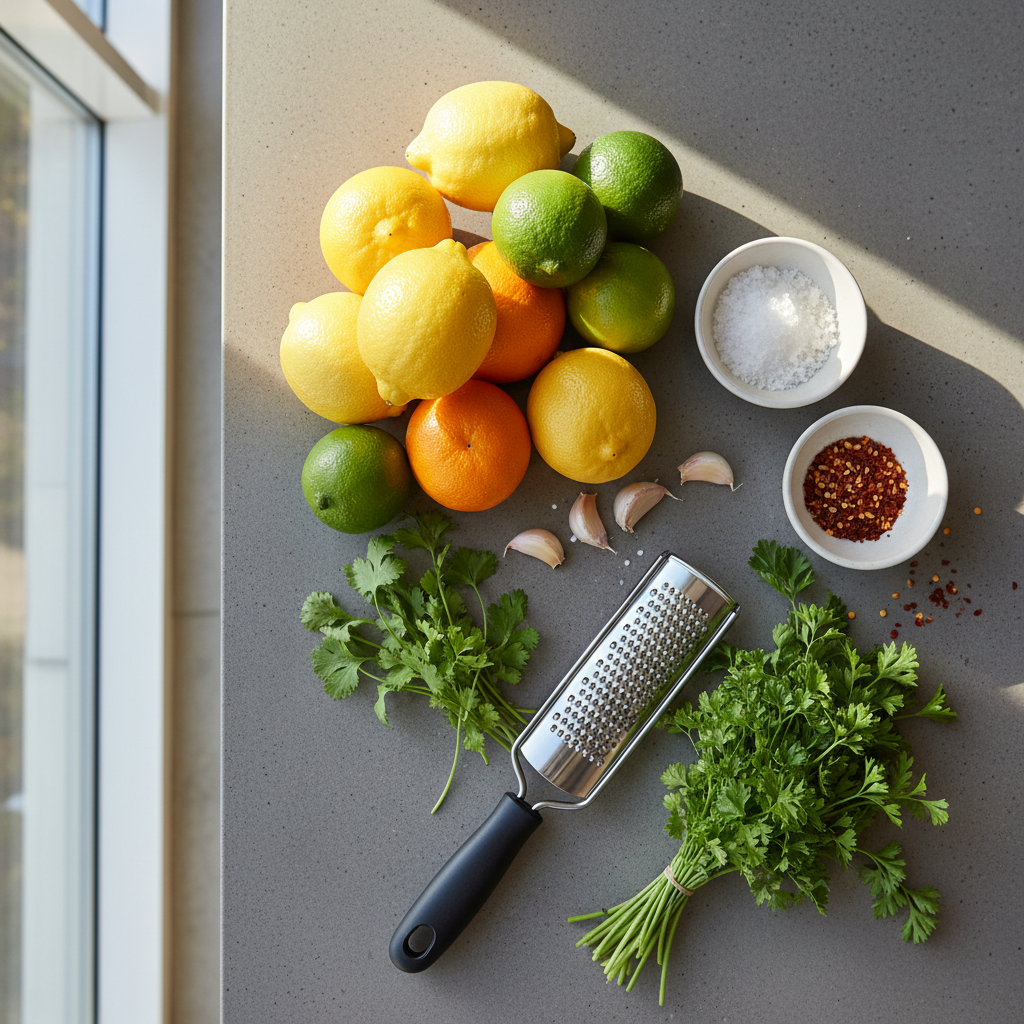
What “zesty” actually means on the plate
Most people think zesty equals “lemony.” Citrus helps, but the real idea is contrast, your palate wakes up when acidity and aroma cut through richness or starch.
- Acid brings lift: lemon, lime, vinegar, pickled jalapeños, capers, even yogurt.
- Aromatics add that “bright” smell: zest, fresh herbs, scallions, ginger, garlic.
- Heat or bite sharpens edges: chili flakes, black pepper, mustard, raw onion.
- Salt makes the brightness readable, without it, acid can taste thin.
According to USDA Food Safety and Inspection Service, marinades used on raw meat should be kept refrigerated, and any leftover marinade that touched raw meat should be boiled before using as a sauce, or discarded. That matters because bright, acidic marinades are common in zesty cooking.
Why your food tastes dull (and how zestiness fixes it)
In real kitchens, “bland” usually comes from one of these, not a lack of effort. Fix the right problem and you need fewer ingredients overall.
- Too much richness: creamy sauces, fatty cuts, cheese-heavy dishes. Add acid and herbs to cut through.
- One-note seasoning: salt-only flavor. Add a second dimension, like citrus zest or vinegar plus pepper.
- Cooked-too-long aromatics: garlic and herbs can fade. Add a fresh “finish” at the end.
- Starchy meals that need contrast: rice, pasta, potatoes. Add tangy toppings or sharp dressings.
The funny part is that zestiness often comes from the last 30 seconds, a squeeze, a sprinkle, a quick drizzle, not a longer cook time.
A quick “zest check” before you change the recipe
Use this as a 60-second diagnostic so you don’t randomly add lemon to everything and hope.
- Does it taste heavy or muddy? Add acid first.
- Does it taste flat but not heavy? Add salt, then aromatics.
- Is it bright but still boring? Add heat or a bitter edge (arugula, grapefruit, mustard).
- Is it already acidic? Add aroma (zest, herbs) and a little sweetness (honey, maple) to round it out.
One small habit that helps: add your “finisher” in tiny increments, taste, then stop. Zesty is satisfying, but too much acid can turn sharp fast.
The Zesty Flavor Matrix (use this to build meals fast)
Keep a few pairings in your back pocket and you can improvise zesty recipes from whatever is in the fridge.
| Base food | Best zesty combo | Easy add-ins | Finish (last step) |
|---|---|---|---|
| Chicken | Lemon + garlic + oregano | Olives, cucumber, feta | Lemon zest + olive oil |
| Fish | Lime + cilantro + chili | Avocado, cabbage | Lime juice + flaky salt |
| Beans | Vinegar + cumin + onion | Pickled peppers | Herbs + splash of vinegar |
| Pasta | Lemon + Parmesan + pepper | Capers, spinach | Zest + pepper |
| Roasted veggies | Red wine vinegar + thyme | Chickpeas, tahini | Vinegar drizzle + herbs |
| Rice/grains | Lime + scallion + sesame | Edamame, cucumbers | Citrus + sesame oil |
Bright zesty recipes you can mix-and-match (no fussy steps)
These aren’t rigid formulas, more like reliable tracks you can riff on. If you cook once and eat twice, they also hold up well in the fridge.
1) Lemon-herb sheet-pan chicken with crisp vegetables
- Season: chicken thighs or breasts with salt, pepper, garlic, oregano.
- Roast: add broccoli, zucchini, or potatoes tossed with olive oil.
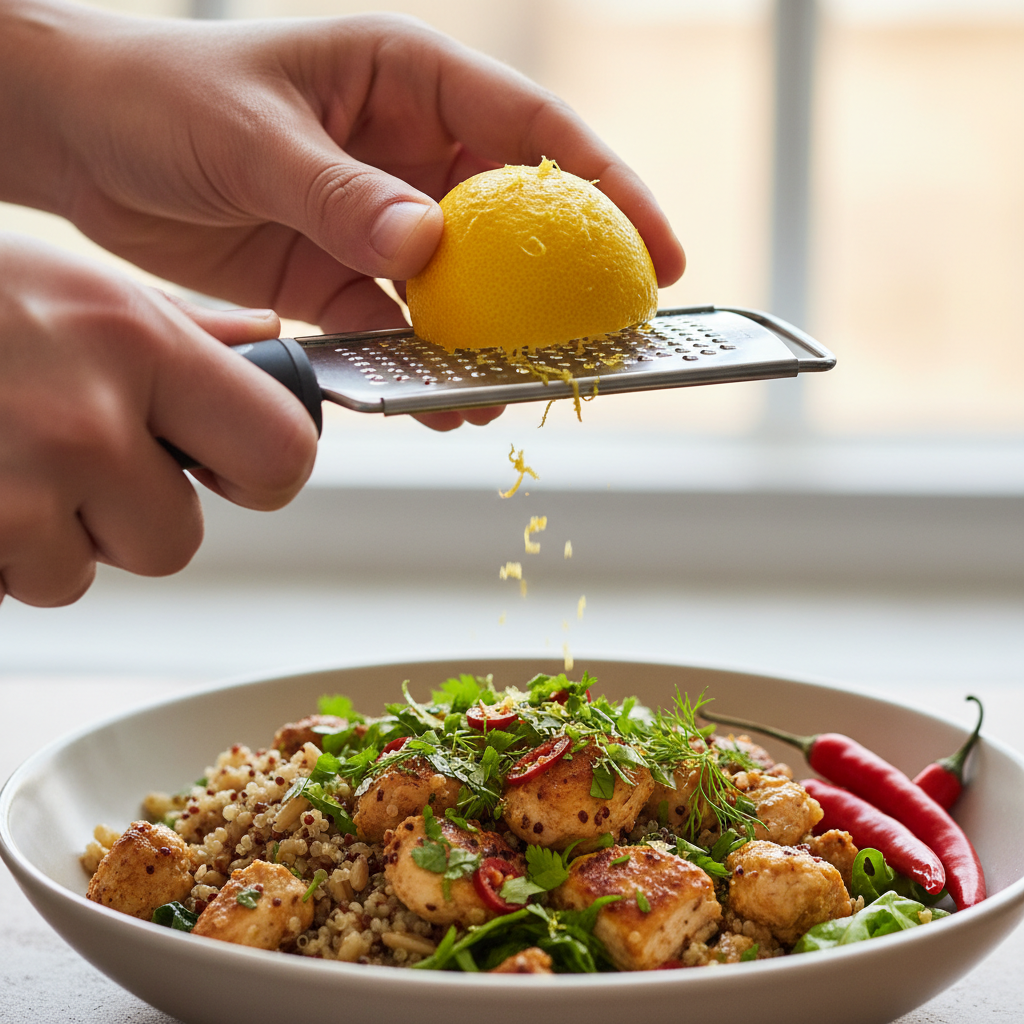
- Make it zesty: finish with lemon zest and a squeeze right before serving.
If you want it sharper, add a spoon of chopped olives or a tiny splash of red wine vinegar at the end, it reads “bright” without turning sour.
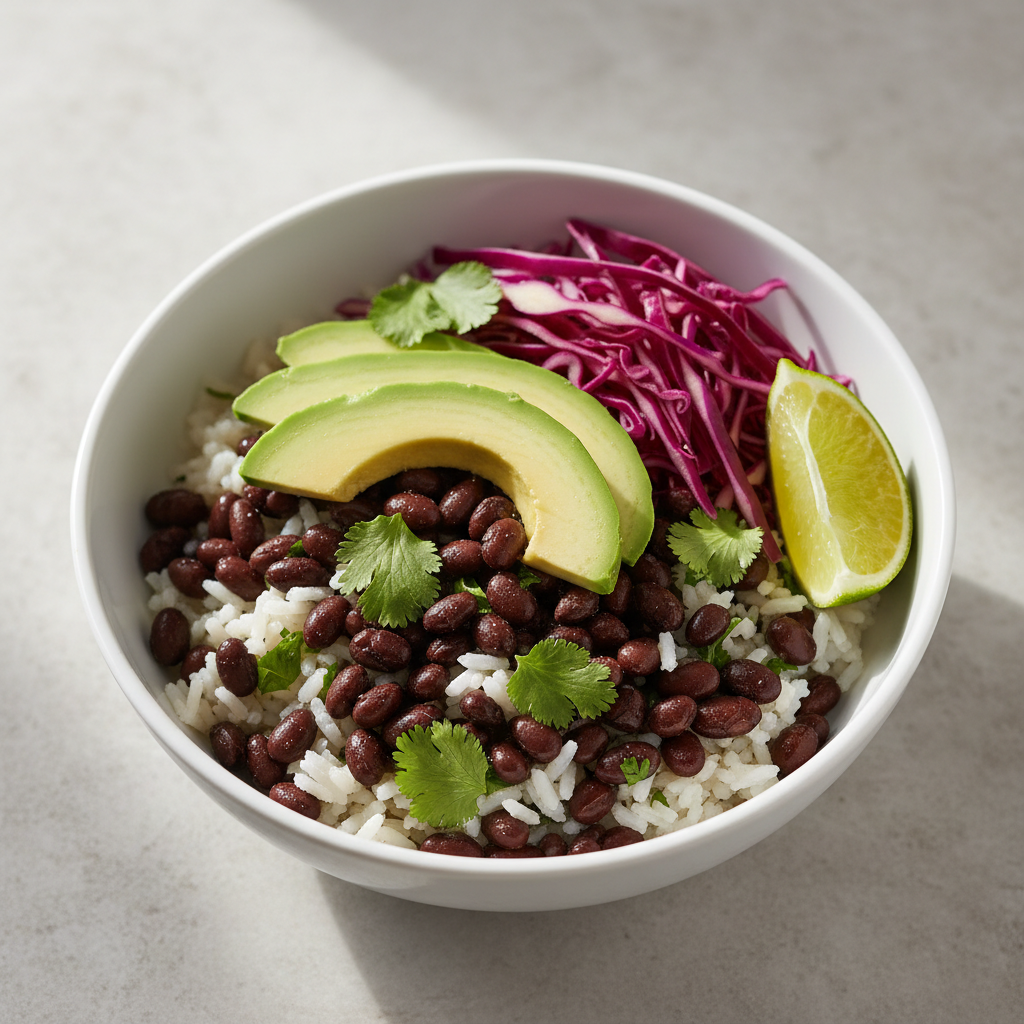
2) Lime-cilantro black bean bowls (great for meal prep)
- Warm black beans with cumin, a little onion, and a pinch of salt.
- Add rice or quinoa, then crunchy toppings like shredded cabbage.
- Finish with lime juice, chopped cilantro, and optional jalapeño.
This is one of those zesty recipes where the topping matters as much as the base, if everything is soft, the flavor feels less “alive.”
3) Zesty shrimp (or tofu) skillet with garlic, chili, and lemon
- Sauté garlic in olive oil, add chili flakes.
- Cook shrimp quickly, or sear tofu until golden.
- Deglaze with a small squeeze of lemon and a splash of broth.
- Finish with parsley and extra lemon zest.
Keep the lemon for the end, if it cooks too long, it can taste less fresh and more “cooked citrus.”
4) Quick pickled onion topping (the zesty shortcut)
If you make one “always-ready” thing for zesty cooking, this is it.
- Thinly slice red onion.
- Cover with vinegar (apple cider or white), add a pinch of salt and a little sugar.
- Rest 20–30 minutes, then store in the fridge.
Add it to tacos, salads, bowls, grilled meats, even scrambled eggs, it does the brightness work for you.
Practical execution: timing, tasting, and smart swaps
Many zesty recipes fall apart for one reason, the “bright” ingredients get added at the wrong time.
- Add acid late for freshness, early for tenderizing. Marinades and braises can handle early acid, finishing sauces often can’t.
- Zest first, juice second. Zest carries aroma, juice provides tang. Together they taste more complete.
- Use the right vinegar: rice vinegar reads mild and clean, red wine vinegar reads sharper, balsamic reads sweeter.
- Balance with a touch of sweet when needed: honey, maple, or even a few orange segments.
Key takeaways to remember:
- Bright flavor is usually a finishing move, not a long simmer.
- Zestiness comes from contrast, not “more seasoning.”
- If you can taste the acid but not the food, you went too far, pull back with fat, salt, or a pinch of sweet.
Common mistakes that make “zesty” taste harsh
This is where people get frustrated, because they did add lemon, and it still didn’t taste right.
- Dumping in acid without salt: the dish tastes sour, not lively.
- Only using juice: it tastes sharp but not fragrant, add zest or herbs.
- Adding acid to dairy too aggressively: it can curdle in some cases, go slow, or use stabilized options like crème fraîche.
- Overusing raw garlic: pungent can read “spicy” in the wrong way, try grating a small clove or using roasted garlic.
According to FDA, leftovers should generally be refrigerated within 2 hours, and kept cold at 40°F or below to reduce food safety risk. Bright sauces and toppings don’t change that basic rule, even if they’re acidic.
When you may want extra help (or at least a second opinion)
If you cook for someone with reflux, citrus sensitivity, or a low-sodium plan, aggressive “brightening” can backfire, and it’s worth checking what’s appropriate for their situation. In those cases, you can often lean more on herbs, aromatics, and mild acids, but a clinician or registered dietitian can give guidance that fits personal needs.
If you’re preserving foods (canning, long-term pickling), follow a tested process rather than improvising acidity levels, home preservation has real safety risks and it’s not the place to freestyle.
Conclusion: make zestiness a habit, not a special occasion
The best zesty recipes don’t feel like “a lemon dish,” they feel like food that tastes awake. Keep one acid, one fresh herb, and one spicy or briny option around, and you can brighten almost anything without rewriting your whole routine.
If you want a simple next step, pick one pairing from the matrix and use it twice this week, once on a protein and once on a vegetable, you’ll start to notice what kind of brightness you personally like.
FAQ
What are zesty recipes, exactly?
Zesty recipes emphasize brightness and contrast, usually through acidity plus aromatics, like citrus zest, vinegar, herbs, and a bit of heat or brine. The goal is “lively,” not just sour.
How do I make a dish more zesty without adding more salt?
Use aroma and texture: lemon zest, fresh herbs, scallions, toasted spices, and crunchy toppings can lift flavor without relying on extra sodium. If you need acidity, start small and taste as you go.
Is lemon juice or lemon zest better for bright flavor?
They do different jobs. Juice brings tang, zest brings fragrance. Many dishes taste more balanced when you use a little of both, especially at the end.
What’s a good zesty substitute if I don’t have fresh citrus?
Vinegar (rice, apple cider, red wine), pickled peppers, capers, or even a spoon of yogurt can add tang. For aroma, try fresh herbs or a tiny amount of ground coriander or sumac if you have it.
Can zesty recipes be kid-friendly?
Usually yes, but the approach changes, keep heat low, use mild acids, and add a touch of sweetness if needed. A squeeze of orange or a honey-lemon dressing often lands better than straight lime and chili.
Why does my lemony sauce taste bitter?
Bitterness often comes from too much pith (the white part) or over-reducing citrus. Use a microplane for zest, avoid scraping deep, and add juice off-heat when possible.
How do I keep zesty flavors strong in meal prep?
Store “bright finishers” separately: citrus, herbs, pickled toppings, and crunchy elements get dull or soggy when mixed too early. Add them right before eating for a fresher result.
If you’re building a weekly menu and want your meals to taste less repetitive, zesty recipes are a practical lever, you can keep the same staples and rotate the finishers. If you need a more hands-off plan, prepping one tangy topping and one herb sauce on Sunday can carry you through several dinners without much extra work.