
Sauce recipes are the quickest way to turn a plain piece of chicken, a bowl of noodles, or roasted vegetables into something people actually want seconds of. If you cook at home even a few nights a week, a small set of reliable sauces does more for flavor than buying new gadgets or chasing complicated recipes.
A lot of home cooks get stuck in the same loop, jarred marinara, bottled teriyaki, ranch on everything, and the food starts tasting repetitive. The good news, most great sauces are built from a few patterns you can repeat, then adjust for what’s in your fridge.
This guide gives you practical, flexible sauce ideas, plus a quick “choose your sauce” table, storage tips, and a handful of go-to recipes you can memorize. I’ll also point out the common ways sauces go wrong, too thin, too salty, broken emulsions, so you can fix them without starting over.
Quick sauce “pairing” cheat sheet
If you only want one fast answer, pick a sauce type based on what you’re cooking and how much time you have. Then keep one “creamy,” one “acidic,” and one “umami” option in your rotation.
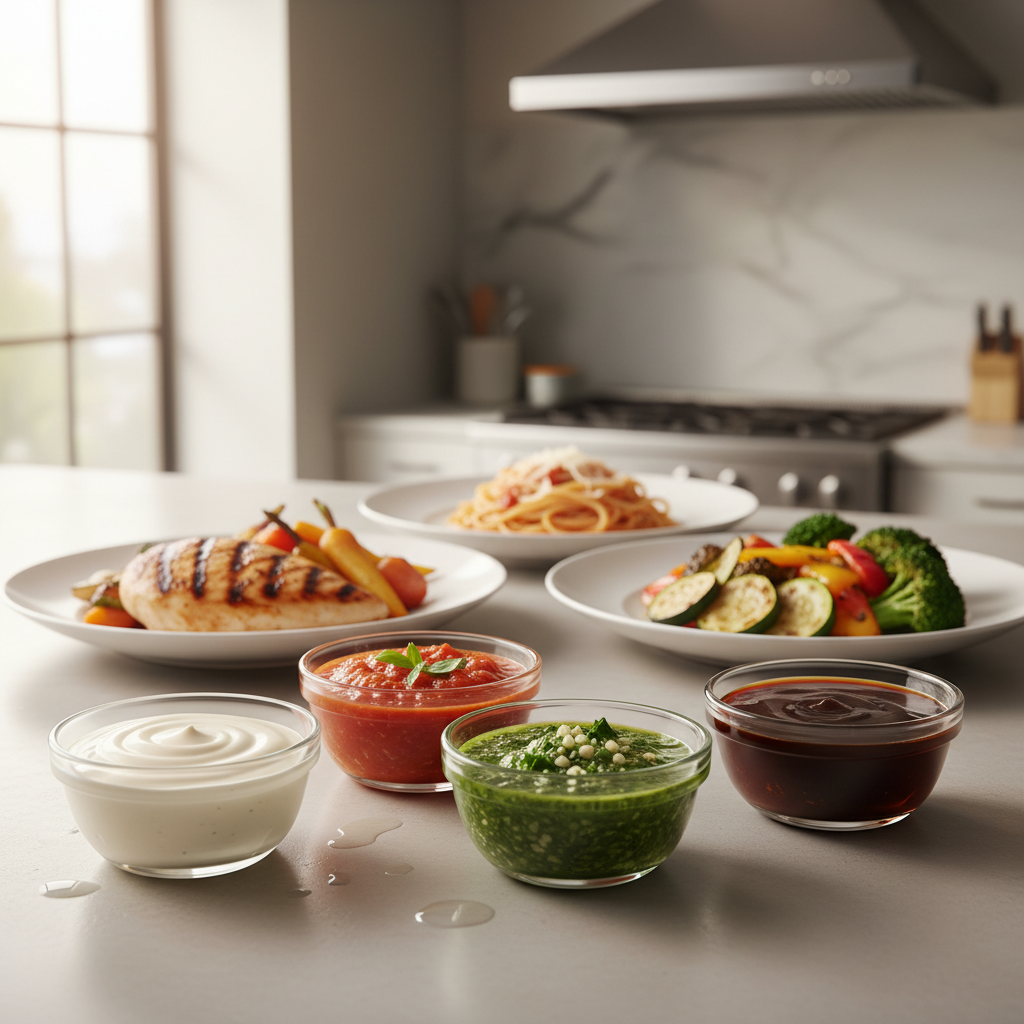
Key idea: match intensity to the food. Delicate fish usually prefers light butter-lemon or herb sauces, while steak can handle peppercorn cream or bold chimichurri.
| Dish | Best sauce direction | Why it works | Fast option |
|---|---|---|---|
| Chicken (pan-seared) | Pan sauce, creamy mustard, lemon-herb | Uses browned bits for flavor | Butter + lemon + capers |
| Pasta | Tomato, pesto-style, cream/cheese | Clings to noodles, rounds out salt | Garlic + olive oil + chili flakes |
| Roasted vegetables | Tahini, yogurt herb, balsamic glaze | Adds acid and richness | Greek yogurt + lemon + dill |
| Rice bowls | Teriyaki-style, peanut-lime, miso | Sweet/salty balance wakes up grains | Soy + honey + sesame oil |
| Seafood | Garlic butter, citrus, salsa verde | Bright flavors cut richness | Mayo + lemon + hot sauce |
What makes a sauce taste “restaurant good” at home
Most “wow” sauces aren’t complicated, they’re balanced. When a sauce feels flat, it’s usually missing one of these.
- Salt: not just more, but the right kind (soy, anchovy, Parmesan, miso) for depth.
- Acid: lemon, vinegar, wine, even pickled brine to keep flavors awake.
- Fat: butter, olive oil, cream, tahini, mayo, nut butter for body and satisfaction.
- Heat: black pepper, chili flakes, hot sauce, fresh chiles for contrast.
- Umami: tomato paste, mushrooms, Worcestershire, fish sauce, aged cheese.
According to USDA Food Safety and Inspection Service (FSIS), sauces and leftovers should be cooled and refrigerated promptly to reduce food-safety risk, especially anything dairy-based or containing meat drippings. That matters because the tastiest pan sauces are often the ones people “leave on the stove to deal with later.”
A quick self-check: which sauce style fits you right now?
Before you pick from any list of sauce recipes, take ten seconds and answer these. It saves you from starting a cream sauce when you really needed something bright and fast.
- Do you want comfort or freshness? Comfort leans creamy, cheesy, buttery. Fresh leans herby, citrusy, vinaigrette-style.
- Are you cooking in one pan? If yes, a pan sauce is the easiest win because it uses the browned bits.
- Is your main ingredient already salty? Bacon, cured sausage, soy-marinated proteins need less added salt and more acid.
- Do you need the sauce to cling? Pasta and bowls prefer thicker sauces; grilled meats can handle looser spooning sauces.
- Any dietary limits? Dairy-free often points to tahini, nut-based, or emulsified olive oil sauces.
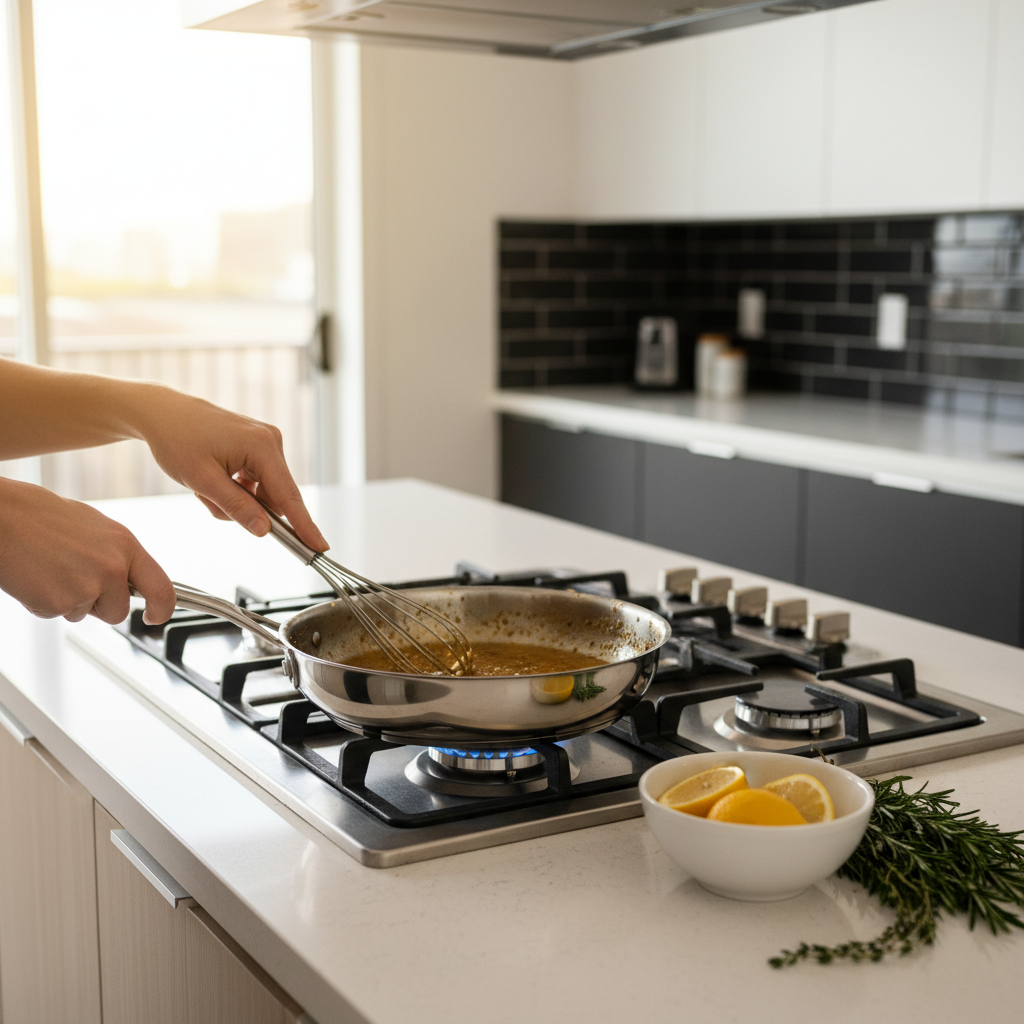
Key takeaway: when in doubt, go with a simple acid + fat combo (like lemon + butter or vinegar + olive oil) and add herbs last.
Core homemade sauce recipes (memorize these 6)
These are flexible “base” sauce recipes you can adjust for different dishes. The ingredient lists look short on purpose, the upgrades are where you make them yours.
1) Simple pan sauce (for chicken, pork, mushrooms)
- Ingredients: 1 tbsp butter, 1 minced garlic clove, 1/2 cup broth (chicken or veggie), 1 tsp lemon juice or vinegar, salt/pepper.
- How: After searing protein, lower heat, add butter + garlic for 30 seconds, pour in broth, scrape browned bits, simmer 2–4 minutes, finish with lemon.
- Upgrade: add 1 tsp Dijon, or a splash of white wine if you have it.
2) Quick marinara-ish tomato sauce (for pasta, meatballs, eggplant)
- Ingredients: olive oil, 3 cloves garlic, 1 tbsp tomato paste, 1 can crushed tomatoes, salt, pinch sugar (optional), dried oregano.
- How: Cook garlic in oil, stir in tomato paste until darker, add tomatoes, simmer 15–25 minutes.
- Upgrade: finish with butter for silkiness, or a Parmesan rind while simmering if you keep one.
3) Garlic-herb yogurt sauce (for veggies, wraps, bowls)
- Ingredients: 1 cup plain Greek yogurt, 1 tbsp lemon juice, 1 grated garlic clove, chopped dill/parsley, salt.
- How: Mix and let sit 10 minutes so garlic mellows.
- Upgrade: add grated cucumber for a tzatziki direction.
4) Sesame-soy glaze (for stir-fries, salmon, tofu)
- Ingredients: 3 tbsp soy sauce, 1 tbsp honey or brown sugar, 1 tsp rice vinegar, 1 tsp sesame oil, 1 tsp cornstarch + 2 tsp water.
- How: Simmer soy + sweetener + vinegar, stir in slurry, cook 30–60 seconds until glossy.
- Upgrade: ginger and a squeeze of lime at the end.
5) Basil “no-fuss” pesto (works even without pine nuts)
- Ingredients: basil (or arugula), garlic, Parmesan, olive oil, nuts (optional), salt.
- How: Blend or chop finely, then loosen with olive oil. Add pasta water to help it coat noodles.
- Upgrade: swap some basil for spinach to stretch it without losing color.
6) Peanut-lime sauce (for noodles, chicken, crunchy salads)
- Ingredients: 1/3 cup peanut butter, 1–2 tbsp lime juice, 1 tbsp soy sauce, 1 tsp honey, warm water to thin, chili flakes.
- How: Whisk, add water slowly until pourable.
- Upgrade: add a little toasted sesame oil for aroma.
How to adjust thickness, salt, and “broken” sauces (real-life fixes)
This is where most people give up. The fix is usually small, but you need to know what knob to turn.
- Too thin: simmer longer, or add a cornstarch slurry (start small), or whisk in cold butter off heat for body.
- Too thick: add warm water, broth, or pasta water a tablespoon at a time.
- Too salty: add acid (lemon/vinegar), a little sweetness, or dilute with unsalted broth. Sometimes adding more “stuff” works better than adding water.
- Tastes flat: it’s usually acid. Add a squeeze of citrus or a teaspoon of vinegar, then re-taste.
- Emulsion broke (oil separates): whisk in 1–2 tsp warm water, or start with a teaspoon of mayo/yogurt as a stabilizer depending on the flavor direction.
Quick note on heat: many sauces taste sharper when hot and more muted when cool. Taste at serving temperature if you can.
Storage, make-ahead, and food-safety basics
Homemade sauces are convenient because you can batch them, but storage rules vary by ingredients. When you’re unsure, keep the window conservative and label the container.
- Oil-and-herb sauces: refrigerate and use within a few days for best flavor. If you’re making garlic-heavy oil sauces, store chilled and avoid leaving at room temp.
- Dairy-based sauces: keep refrigerated and reheat gently to reduce curdling risk.
- Tomato sauces: usually reheat well; flavors often improve next day.
- Freezing: tomato sauce and pesto (especially without cheese) often freeze better than cream sauces.
According to FDA, keeping cold foods at proper refrigeration temperatures and avoiding long time in the “danger zone” helps reduce the risk of foodborne illness. If you have health conditions or are cooking for someone higher-risk, it’s smart to be extra careful, and when uncertain, ask a healthcare professional for guidance.
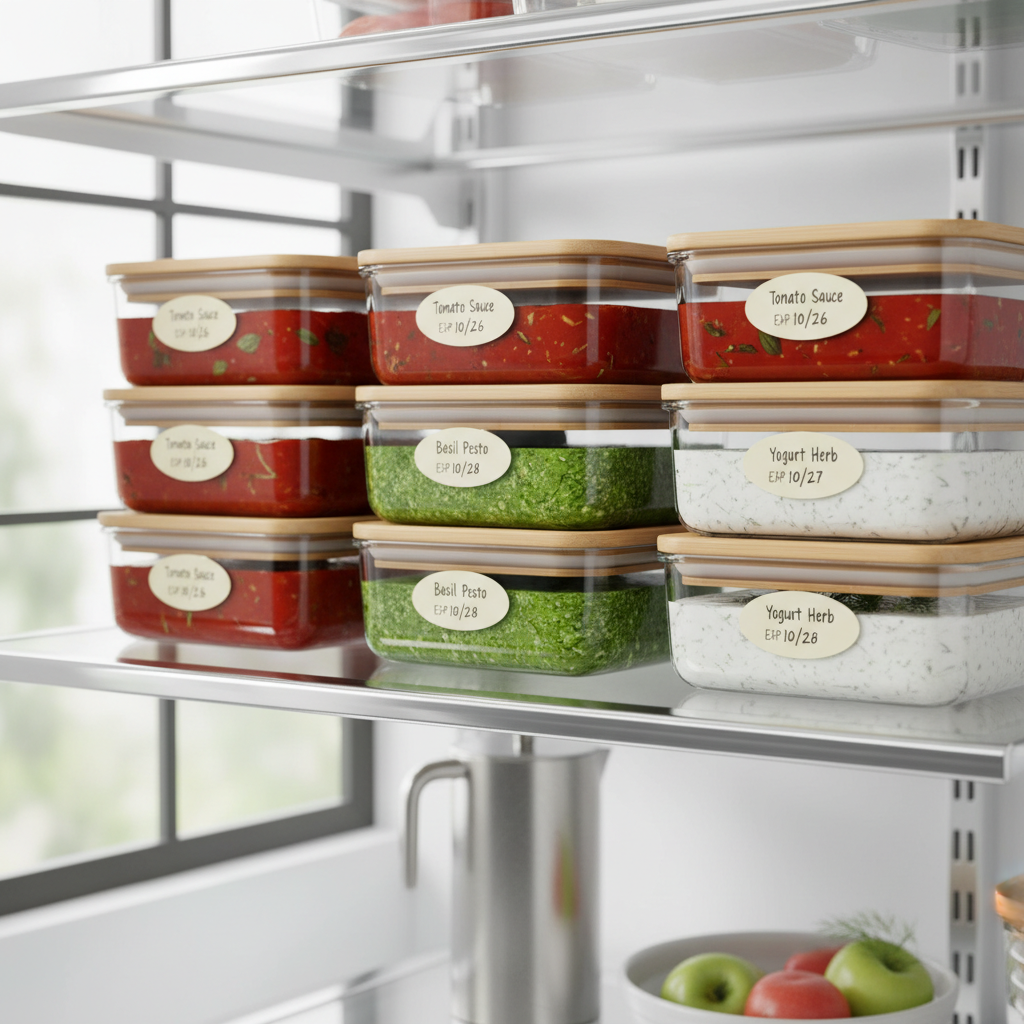
Practical tip: store sauces in smaller containers so you only warm what you need, repeated reheating tends to dull flavor and can make texture weird.
Common mistakes that waste time (and how to avoid them)
- Over-reducing: simmering “until thick” can push sauces into salty syrup. Reduce, taste, then decide.
- Adding herbs too early: delicate herbs turn dark and dull. Add at the end for brighter flavor.
- Turning heat too high on dairy: cream and yogurt can split. Low heat, patience, and whisking help.
- Skipping tasting steps: a great sauce comes from small adjustments. Taste after salt, after acid, and after thickening.
Conclusion: build a small “sauce system” you’ll actually use
Once you have a few dependable sauce recipes, cooking gets less stressful because you’re not reinventing dinner every night, you’re just choosing a flavor direction. Pick two sauces to make this week, keep notes on what you changed, and your “default meals” will start tasting like choices, not compromises.
If you want an easy starting point, make one pan sauce for proteins and one cold sauce like yogurt-herb for vegetables and bowls, then add a tomato or sesame-soy option next week. That rotation covers most everyday dishes without feeling repetitive.
FAQ
What are the easiest sauce recipes for beginners?
Start with a pan sauce (butter + broth + lemon) and a cold yogurt-herb sauce. Both forgive small mistakes and teach you balance fast.
How do I make a sauce thicker without flour?
Simmer to reduce, or use a small cornstarch slurry. For some sauces, whisking in cold butter off heat adds body without a starchy texture.
Why does my cream sauce separate?
High heat is the usual culprit. Keep it gentle, avoid boiling, and consider adding cheese slowly off heat. If it breaks, whisk in a splash of warm liquid and keep the heat low.
Can I prep sauces ahead for weeknight dinners?
Yes, especially tomato sauce, pesto, and cold sauces like peanut-lime or yogurt-herb. Store chilled, label dates, and reheat carefully if dairy is involved.
What sauce goes with vegetables when I don’t want something heavy?
Go bright: lemony yogurt, chimichurri-style herb sauce, or a simple vinaigrette. Roasted vegetables especially like acid to cut the caramelized sweetness.
How can I reduce sodium in homemade sauces without losing flavor?
Use acid, aromatics (garlic, ginger), and umami from unsalted sources like mushrooms or tomato paste. When using soy or cheese, add them late and taste in small steps.
Is it safe to leave sauce out while eating?
For short meals it’s usually fine, but per food-safety guidance from agencies like USDA FSIS, perishable sauces should not sit out for extended periods. If you’re unsure, refrigerate sooner and reheat only what you need.
Key points to remember:
- Build sauces around salt, acid, fat, heat, and umami, then adjust.
- Keep 2–3 versatile options (pan, tomato, cold herb) and rotate.
- Taste at the end, and fix with acid or dilution before adding more salt.
If you’re cooking most nights and want sauce recipes that feel consistent without being fussy, it can help to create a small weekly plan: one make-ahead sauce, one quick pan sauce, and one cold finishing sauce, then mix and match across proteins, grains, and vegetables.