
best laddu recipe motichoor easy is usually what people search after a batch turns out greasy, too soft to hold shape, or oddly crunchy instead of melt-in-your-mouth.
If you have never made motichoor laddu at home in the US, the biggest surprise is not the ingredient list, it is the timing, syrup consistency, and how fast boondi absorbs moisture. Small misses add up, especially with stovetop differences and thermometer-less cooking.
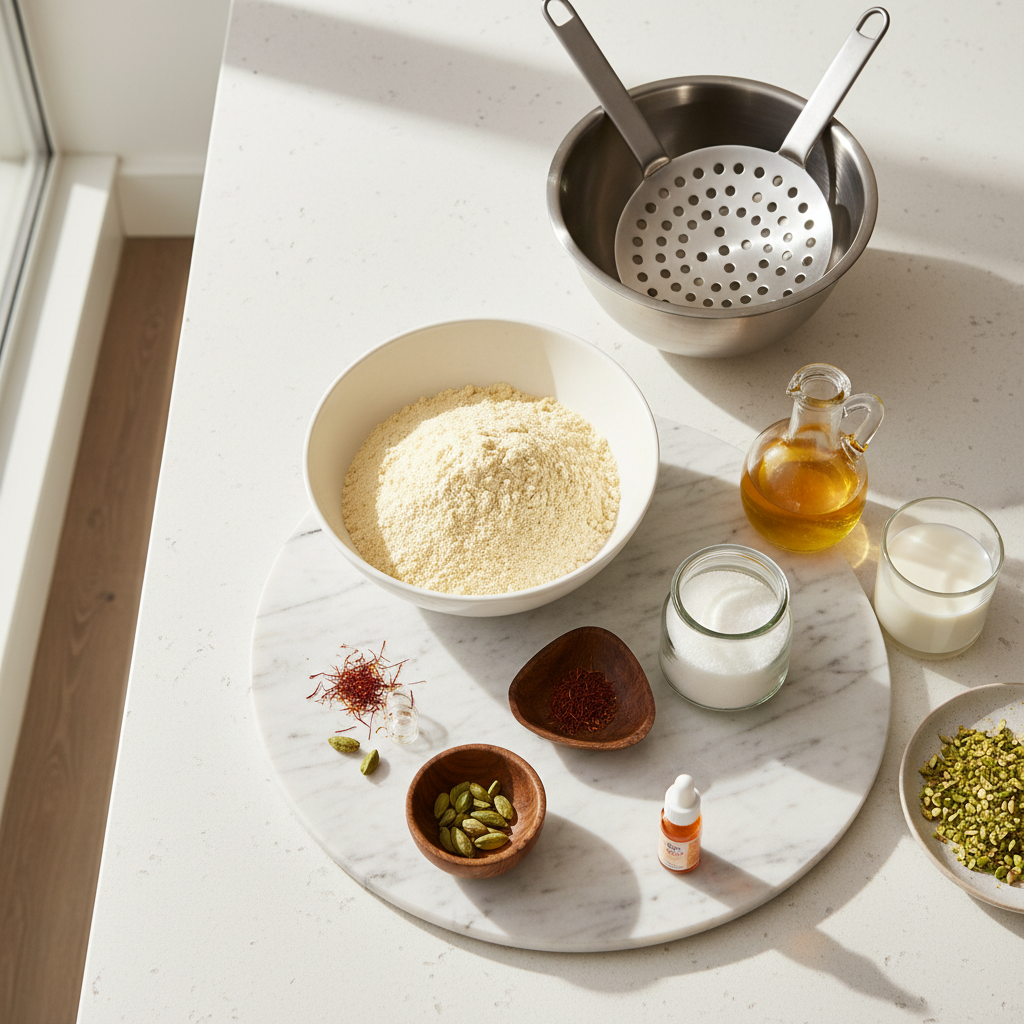
This guide stays practical: what to buy in American grocery stores or Indian markets, how to get tiny boondi without fancy gear, and how to fix common mistakes without starting over. You will also get a quick checklist and a small process table to keep you on track.
What makes motichoor laddu “easy” (and why it still goes wrong)
Motichoor is not hard because it is complicated, it is hard because a few steps happen fast and depend on texture, not just time. “Easy” in real kitchens means you control three variables.
- Boondi size: motichoor needs tiny pearls, so batter thickness and pouring height matter more than people expect.
- Sugar syrup stage: too thin makes laddus slump, too thick turns them dry and crumbly.
- Fat and moisture balance: ghee carries flavor, but extra ghee plus thin syrup can feel oily.
According to the USDA Food Safety and Inspection Service (FSIS), hot sugar mixtures can cause serious burns, so treat syrup like hot oil, keep kids away, and use long utensils when stirring.
Ingredients and substitutions you can actually find in the US
This version aims for a classic taste with flexible shopping. If you have an Indian grocery nearby, you will find everything, but most items have reasonable substitutes.
Core ingredients
- Besan (gram flour): use fine besan if possible, coarse besan tends to give rough boondi.
- Sugar: plain white granulated sugar.
- Ghee: homemade or store-bought, unsalted butter is a backup but flavor changes.
- Cardamom: ground cardamom or freshly crushed pods.
- Water: for syrup and batter.
Optional but worth it
- Saffron soaked in warm milk, or a tiny pinch of turmeric for warmth if saffron is pricey.
- Orange/yellow food color: skip if you prefer natural, the taste stays similar.
- Chopped pistachios or cashews for garnish and bite.
Allergy note: besan is chickpea-based, and many laddus include nuts. If you cook for allergies, consider consulting a medical professional for individualized guidance.
Tools that help (plus the no-special-equipment workaround)
You do not need a professional boondi jhara, but you do need a way to drop batter in tiny droplets and lift them quickly.
- Boondi ladle/jhara (ideal): a perforated spoon with many small holes.
- Fine skimmer: works if holes are small and evenly spaced.
- Wide slotted spoon: often makes bigger boondi, still usable if you crumble later.
- Deep, heavy pot: stable frying temperature.
- Candy thermometer (recommended): removes guessing from syrup.
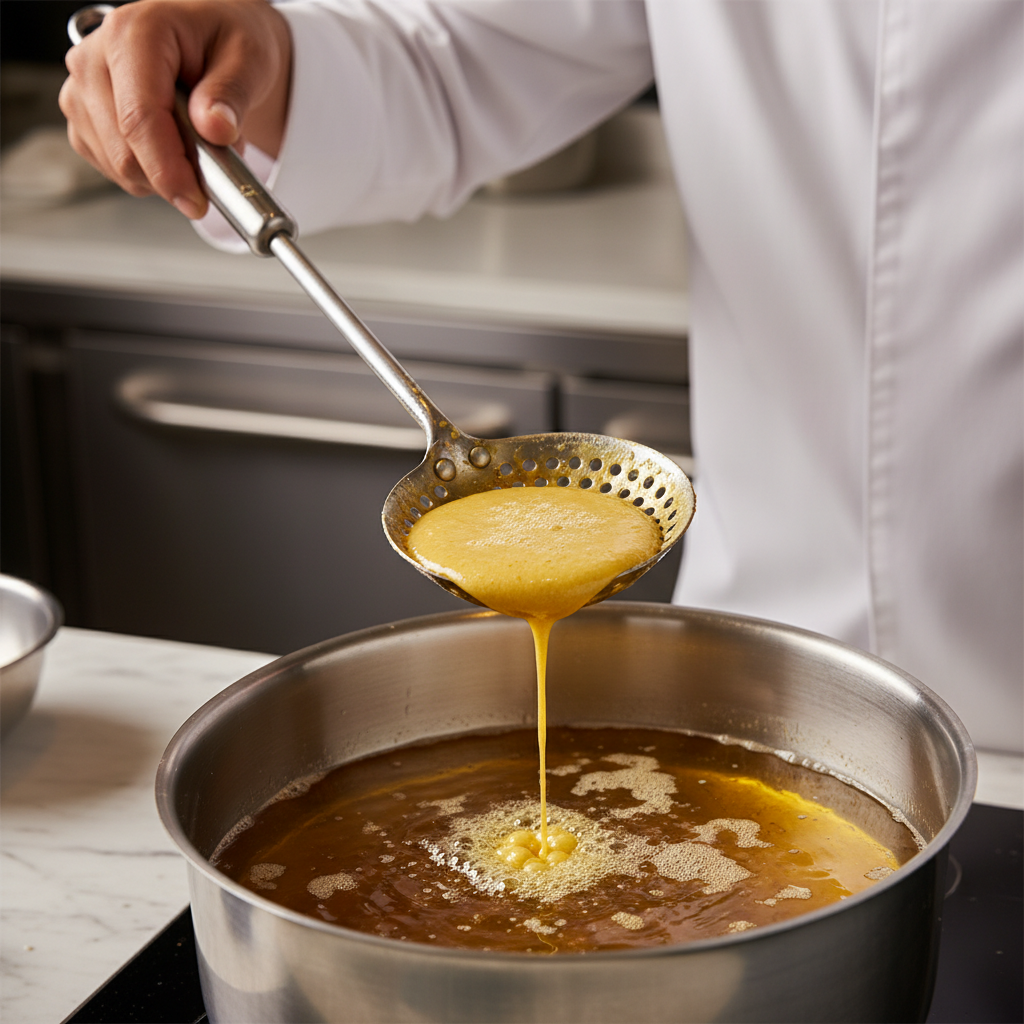
No jhara? A realistic workaround is a sturdy metal skimmer plus slightly thicker batter and a lower pour height. Your boondi may be a touch larger, but in many home batches, a quick pulse in a food processor fixes the texture.
Quick process table: the whole recipe at a glance
If you want the best laddu recipe motichoor easy to feel manageable, keep the flow simple: fry, syrup, soak, shape. This table is the “don’t overthink it” version.
| Stage | Goal | What you look for |
|---|---|---|
| Batter | Tiny droplets | Pourable, not watery, smooth with minimal lumps |
| Frying | Soft boondi | Light golden, not crisp, drains quickly |
| Syrup | Light stickiness | One-string consistency or ~220–225°F |
| Mix + Rest | Even soak | Boondi looks glossy, clumps lightly when pressed |
| Shaping | Firm laddus | Warm mixture holds a ball without oozing |
Step-by-step: best easy motichoor laddu recipe
This batch makes about 12–16 medium laddus, depending on size.
1) Make the batter
- In a bowl, whisk 2 cups besan with 1 1/2 to 1 3/4 cups water, aiming for a smooth, flowing batter.
- Add a pinch of salt and optional food color, whisk again.
- Rest 10 minutes, besan hydrates and lumps soften, then whisk once more.
Texture check: when you lift the whisk, batter should fall in a steady ribbon, not in heavy blobs and not like water.
2) Fry tiny boondi
- Heat ghee or neutral oil in a deep pot over medium heat. Ghee tastes classic, oil is easier on the budget.
- Hold the perforated ladle above the pot, pour batter onto it, and tap gently so droplets fall.
- Fry 30–60 seconds, stir lightly, then remove once pale golden.
- Drain on a rack or paper towels, repeat in batches.
Motichoor boondi should stay soft. If it turns crunchy, your oil runs too hot or you fried too long.
3) Make sugar syrup (the make-or-break step)
- In a saucepan, combine 1 1/2 cups sugar with 3/4 cup water.
- Simmer until slightly sticky. If using a thermometer, target 220–225°F.
- Add cardamom, saffron milk, and 1 teaspoon lemon juice to reduce crystallization risk.
If you do not use a thermometer, the common “one-string” test works, but keep it cautious, syrup continues thickening off heat.
4) Soak, scent, and bind
- Put boondi in a wide bowl, pour warm syrup over it.
- Add 2–3 tablespoons melted ghee, mix gently.
- Rest 10–15 minutes so pearls absorb syrup.
At this point, taste and feel. If it seems dry and refuses to clump, add 1–2 teaspoons warm water or a spoon of warm syrup, then wait 5 minutes before deciding again.
5) Shape laddus while warm
- Grease your palms lightly with ghee.
- Take a handful, press firmly, roll into a ball.
- Garnish with chopped pistachios if you like.
Let them set 30–60 minutes at room temperature, then store.
Self-check: how to tell what went wrong in your batch
This is the part most recipes skip, but it matters if you want repeatable results.
- Laddus won’t bind: syrup too thick, boondi too dry, or mixture cooled too much before shaping.
- Laddus feel oily: boondi absorbed extra fat from low frying temp, or too much ghee added during mixing.
- Hard sugar crystals: syrup cooked too far or crystallized, lemon juice helps but timing matters.
- Boondi looks flat or clumpy: batter too thick, ladle held too close, or holes too large.
- Taste feels “raw”: besan undercooked, often from overcrowding batches or pulling too early.
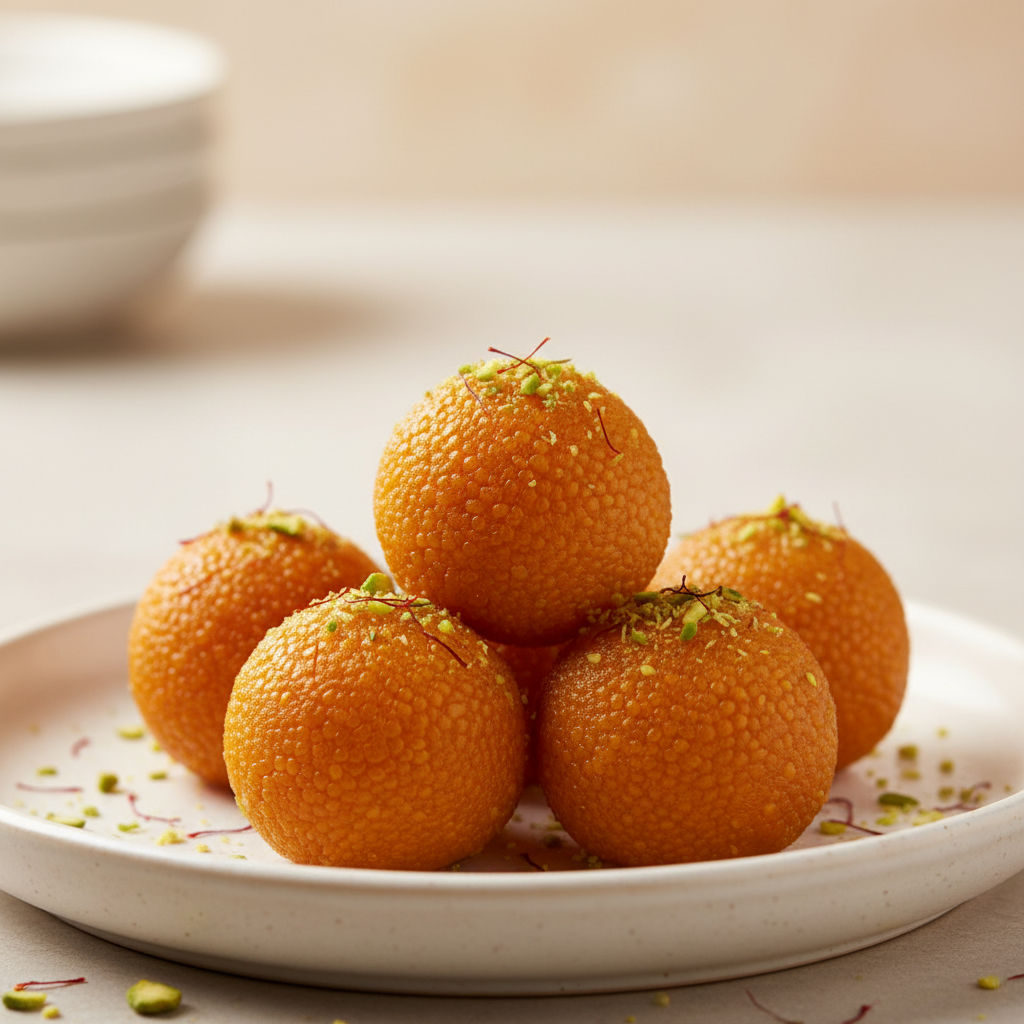
If you are close but not perfect, you are still in good shape. Many home cooks get better simply by controlling syrup stage and frying temperature, everything else becomes easier.
Practical tips that make this recipe feel foolproof
These are the small moves that usually separate “pretty good” from the best laddu recipe motichoor easy experience at home.
- Keep syrup warm: cold syrup thickens fast, then boondi does not soak evenly.
- Fry in small batches: temperature swings cause greasy boondi.
- Use a wide bowl for mixing: you want folding, not mashing.
- Pulse only if needed: 2–3 quick pulses can mimic finer boondi, over-processing turns it pasty.
- Shape early: once mixture cools, binding becomes a fight.
Key takeaways: aim for soft boondi, light sticky syrup, and shaping while warm. If you hold those three, the rest is personal preference.
Storage, serving, and when to ask for extra help
For most kitchens, motichoor laddu keeps well in an airtight container at cool room temperature for 2–3 days, or in the fridge about a week, though refrigeration can firm up the texture. Bring to room temp before serving.
If you cook for an event, do a small practice batch. If you have dietary restrictions, diabetes management, or need lower-sugar options, it is smart to consult a registered dietitian, because syrup-based sweets are hard to “lighten” without changing structure.
Conclusion: your next batch will be easier than you think
Once you stop treating motichoor like a mystery and start watching boondi softness and syrup stickiness, the process gets calmer. Pick one tool setup you can repeat, keep the syrup in the right zone, and shape while the mix still listens to you.
Next step: save the process table, then make a half batch on a weekend. If it binds and tastes right, scale up with confidence for holidays and parties.
FAQ
How do I get tiny boondi without a traditional boondi jhara?
A fine skimmer can work if the holes are small and you keep batter smooth and pour height low. If pearls still run big, a couple of quick food-processor pulses after frying often brings the texture closer to motichoor.
What is the best syrup stage for motichoor laddu if I don’t have a thermometer?
Most home recipes target a light one-string stage, meaning it feels sticky between fingers once slightly cooled. Be careful, syrup thickens off heat, so stop a bit earlier than you think.
Why are my laddus soft and collapsing after shaping?
Common causes are syrup that stayed too thin, boondi that was too hot and released extra fat into the mix, or simply using more syrup than the boondi can absorb. Let the mix rest, then reshape once it firms slightly.
Can I fry boondi in oil instead of ghee?
Yes, many cooks use a neutral oil for cost and consistency, then add ghee for aroma at the mixing stage. Flavor shifts a little, but structure stays similar if temperature is steady.
How do I fix crystallized sugar syrup?
If crystals already formed, it is often faster to remake syrup. A small amount of lemon juice helps reduce crystallization, and avoiding vigorous stirring after the sugar dissolves also helps.
Why does my motichoor taste slightly raw?
Usually boondi did not cook through, which can happen when you fry too fast at very high heat or overload the pot. Aim for soft, pale-golden boondi, not deep color, and keep batches small.
Can I make motichoor laddu ahead for a party?
Yes, but for the best texture, many people prefer making them 1 day ahead. Store airtight, avoid humid areas, and bring to room temperature before serving.
If you are making laddus for a big celebration and you want a more predictable workflow, consider doing a small test run with your exact pot, ladle, and stove settings, then adjust batter thickness and syrup stage based on what you see.