
best pasta recipes for dinner easy usually comes down to two things, a sauce you can pull together in minutes, and a pasta shape that forgives small timing mistakes so dinner still tastes intentional.
If you cook after work, the real pain is rarely “I can’t cook pasta,” it’s the cleanup, the missing ingredient, the sauce that breaks, or the moment you realize you forgot to salt the water and everything tastes flat. Pasta is supposed to be the low-stress option, but weeknights can make it feel like a gamble.
This guide gives you a practical lineup of easy dinner pastas for 2026, plus the little techniques that make them reliably good, even when you’re tired. You’ll also get a quick choosing table, a pantry checklist, and a few swaps for common dietary needs.
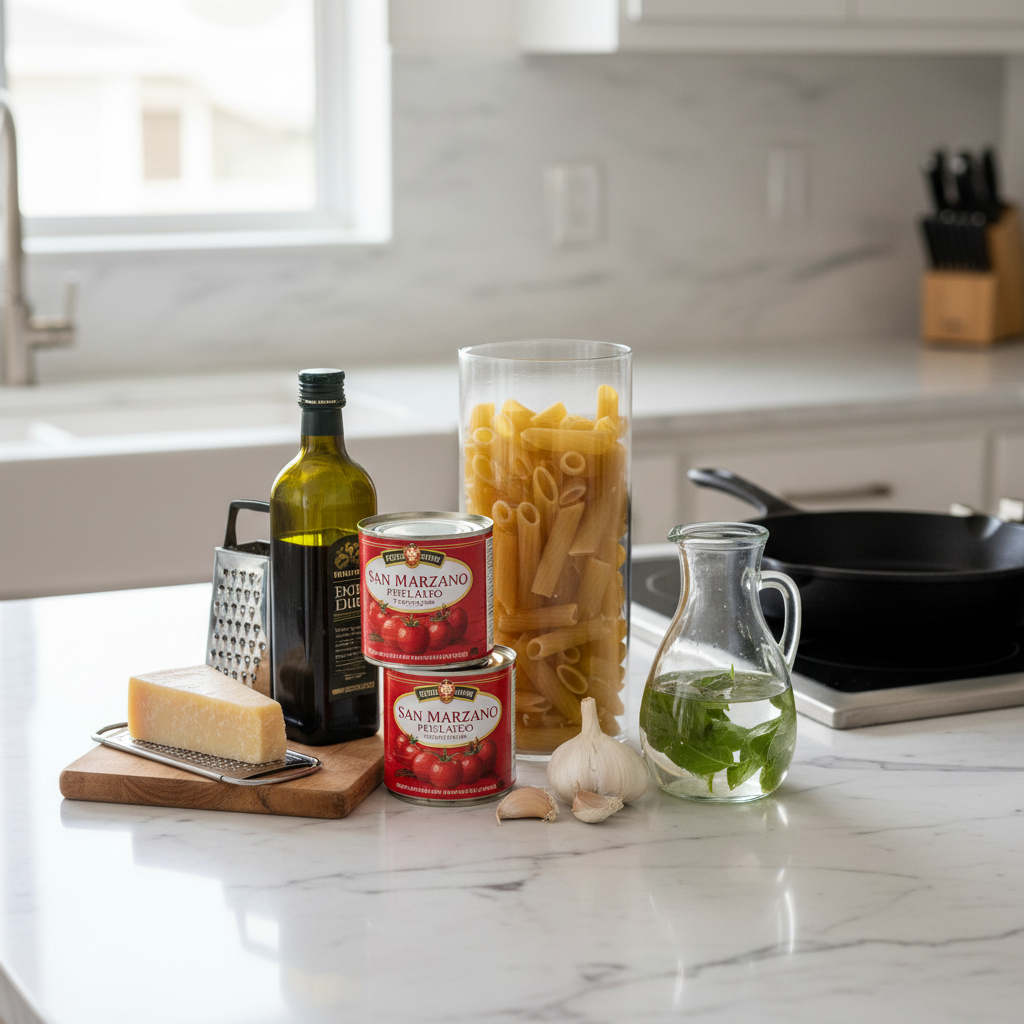
What actually makes an easy dinner pasta “work”
In a lot of home kitchens, “easy” is less about the number of ingredients and more about whether the recipe tolerates real-life chaos, a late kid pickup, a pan that runs hot, a partner who snacks on the parmesan.
- One-pan or one-pot logic: fewer moving parts, fewer dishes, fewer chances to overcook something.
- Short ingredient list with flexible subs: if it collapses when you’re out of basil, it’s not a weeknight recipe.
- Built-in flavor insurance: garlic, tomato paste, parmesan, lemon, chili flakes, anchovy, capers, toasted breadcrumbs.
- Uses pasta water on purpose: that starchy water helps emulsify sauce so it clings instead of pooling.
According to USDA Food Safety and Inspection Service (FSIS), perishable foods shouldn’t sit at room temperature longer than 2 hours, so if dinner gets delayed, it’s safer to keep cooked chicken or seafood warm in the pan on low, or chill and reheat rather than leaving it out.
Quick pick table: choose your pasta by mood and time
If you’re scanning recipes at 5:40 p.m., you don’t want a novel, you want a decision. Use this as your “what should I make tonight” shortcut.
| Recipe | Time | Skill level | Best for |
|---|---|---|---|
| Garlic-Parmesan Butter Noodles | 15 min | Beginner | Picky eaters, pantry nights |
| 15-Minute Cherry Tomato “Burst” Pasta | 20 min | Beginner | Fresh, light dinner |
| Creamy Lemon Spinach Pasta | 20–25 min | Easy | Wanting comfort without heavy sauce |
| One-Pot Sausage & Greens | 30 min | Easy | Hearty, high-satiety |
| Tuna Caper Pantry Pasta | 20 min | Easy | No-grocery nights |
| Sheet-Pan Veg + Pasta with Feta | 35–40 min | Easy | Meal prep, low-stir cooking |
The best easy pasta recipes for dinner (with real-world shortcuts)
1) Garlic-Parmesan butter noodles (the “save the night” pasta)
When you need something fast that still tastes like dinner, this is the move. It’s also a base you can upgrade with almost anything.
- Make: Cook spaghetti or linguine until just al dente. In a warm pan, melt butter with minced garlic 30–60 seconds. Toss pasta with a splash of pasta water, parmesan, black pepper, and optional chili flakes.
- Shortcut: use pre-minced garlic if that’s what you have, just keep heat low to avoid bitterness.
- Upgrade ideas: baby spinach, frozen peas, rotisserie chicken, lemon zest, toasted breadcrumbs.
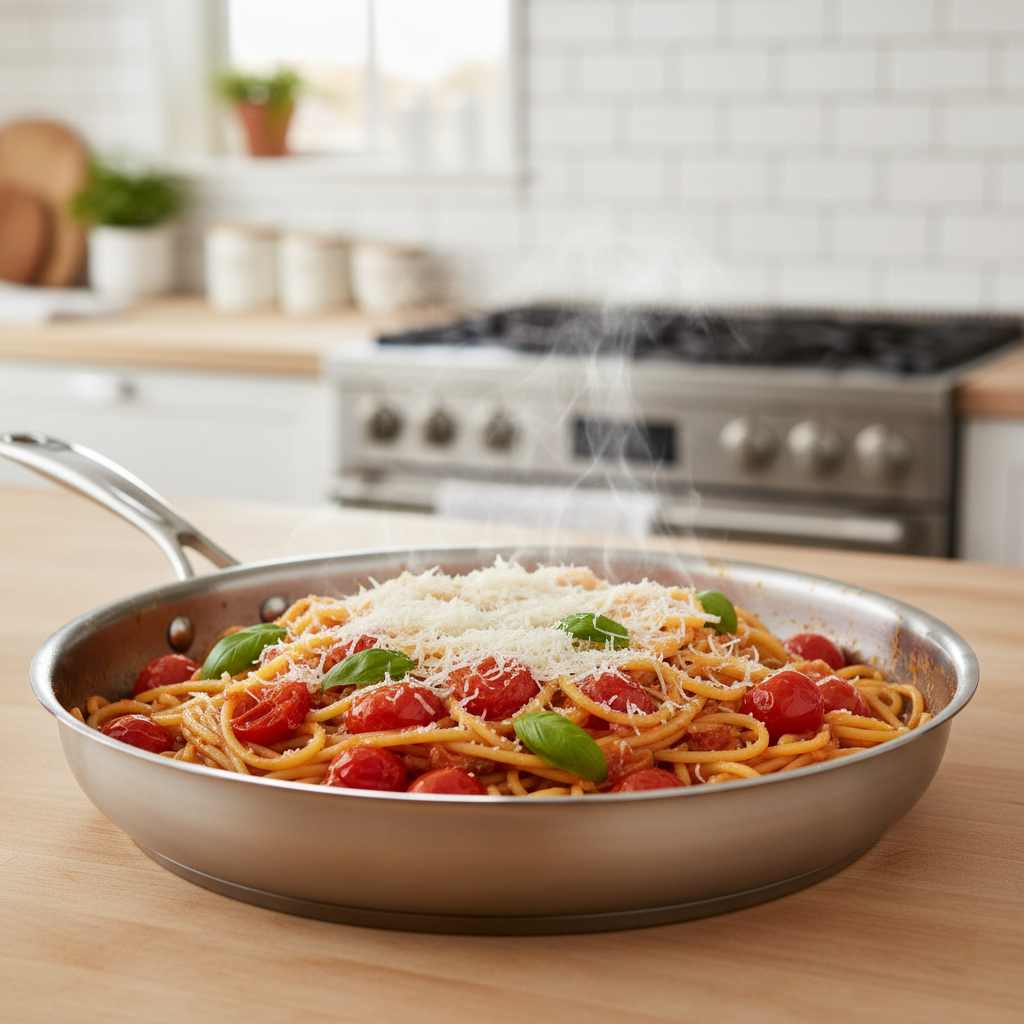
2) 15-minute burst tomato pasta (fresh flavor, minimal work)
This one tastes “restaurant-y” because tomatoes do most of the work. If you’ve ever had a watery tomato sauce, the trick is giving the pan time to concentrate.
- Make: Sauté garlic in olive oil, add cherry tomatoes and a big pinch of salt, cook until tomatoes burst and jam up. Add pasta, basil, pasta water, finish with parmesan.
- If tomatoes aren’t great: add 1–2 teaspoons tomato paste to deepen flavor.
3) Creamy lemon spinach pasta (creamy without feeling heavy)
Think of this as a cream sauce that relies on balance rather than sheer richness. Lemon keeps it bright, spinach makes it feel like a real meal.
- Make: Sauté garlic in olive oil, add spinach to wilt. Add a small splash of cream (or half-and-half), lemon juice, lemon zest, parmesan, and pasta water until glossy.
- No cream option: try whole milk plus extra parmesan, it’s usually thinner but still satisfying.
- Protein add: shrimp cooks fast, but avoid overcooking, pull it as soon as it turns opaque.
4) One-pot sausage and greens pasta (big payoff, low babysitting)
This is the weeknight “comfort bowl.” You brown sausage, then let the pasta cook in the same pot, pulling flavor from everything.
- Make: Brown Italian sausage, add onion/garlic, stir in broth + crushed tomatoes, add short pasta, simmer until tender. Stir in kale or baby spinach at the end.
- Common fix: if it gets too thick, add broth or water in small splashes and keep stirring.
5) Tuna, caper, and lemon pantry pasta (no grocery run required)
If your “fresh” options are bleak, this is why pantry pasta exists. It’s salty, bright, and feels intentional when done right.
- Make: Sauté garlic and a pinch of chili flakes in olive oil. Add capers, lemon zest, then tuna. Toss with pasta and pasta water, finish with lemon juice and parsley if you have it.
- Watch salt: capers and tuna bring plenty, taste before adding more.
6) Sheet-pan roasted vegetables + pasta with feta (hands-off, great leftovers)
This is my favorite “I need tomorrow’s lunch too” option, because roasted veg keeps texture better than many saucy pastas.
- Make: Roast chopped zucchini, red onion, bell pepper, and cherry tomatoes with olive oil and salt. Toss with pasta, feta, lemon, and a splash of pasta water.
- Time saver: buy pre-cut veg or use a frozen roasting blend if that’s what gets it done.
Self-check: which dinner pasta problem do you actually have?
A lot of “easy recipe” frustration is really one recurring issue. Find yours, then fix that, and suddenly most recipes feel simpler.
- My pasta tastes bland → you likely need more salt in the water, plus an acid finish like lemon, vinegar, or tomatoes.
- Sauce doesn’t cling → you probably skipped pasta water, or didn’t toss long enough to emulsify.
- Everything feels greasy → too much oil/butter without enough starch, cheese, or heat to bind, add pasta water and toss.
- Dinner takes forever → your prep flow is off, start water first, then chop while it heats, pick sauces that build in the cook time.
- My “healthy pasta” feels sad → you may be cutting fat and salt too aggressively, try a smaller portion with better sauce.
Practical steps to make weeknight pasta faster (without sacrificing flavor)
You can make almost any of the best pasta recipes for dinner easy by tightening your routine, not by buying fancy gadgets.
- Start with a kettle: boil water in an electric kettle, then pour into the pot, it often saves time.
- Salt like you mean it: pasta water should taste pleasantly salty, it’s the base seasoning.
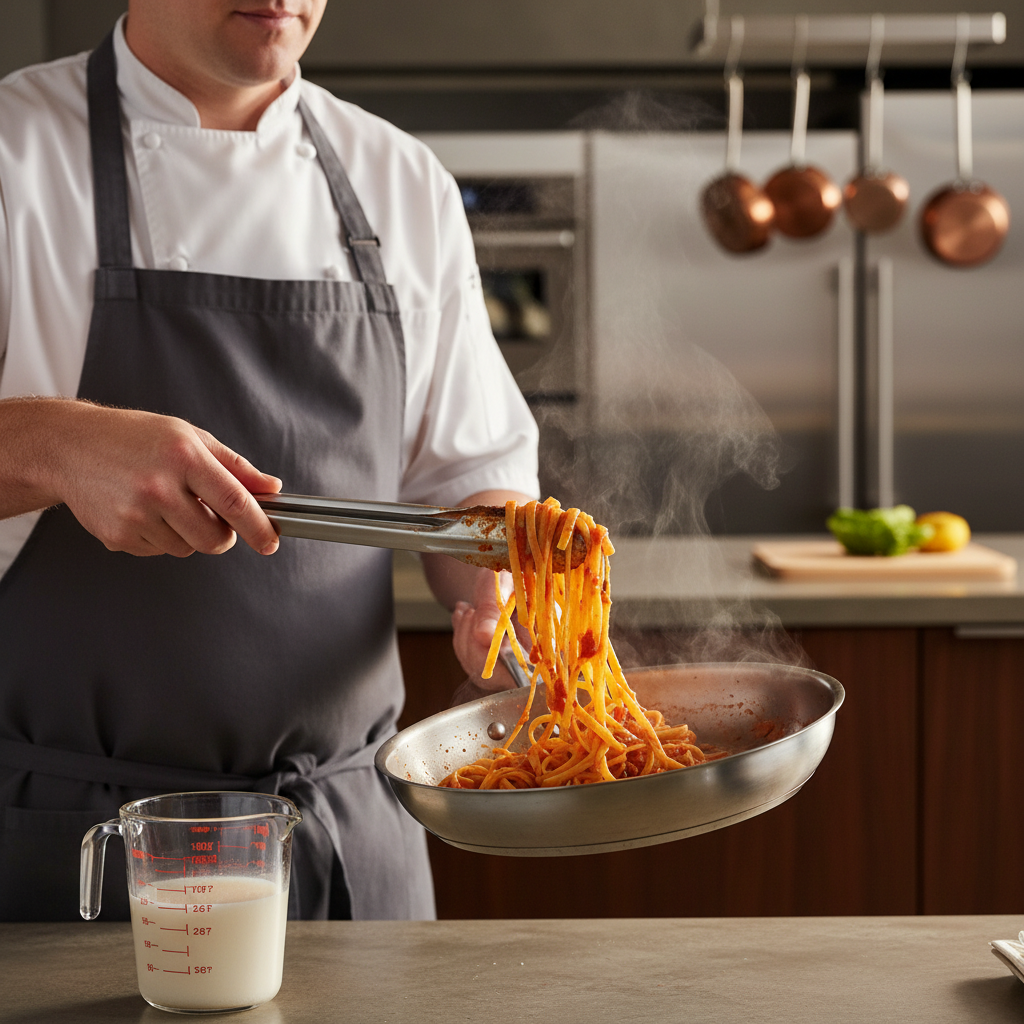
- Reserve pasta water every time: scoop 1 cup before draining, even if you “think you won’t need it.”
- Finish pasta in the sauce: cook pasta 1 minute shy, then toss in sauce so it absorbs flavor.
- Keep “finishers” on hand: parmesan, lemon, chili flakes, good olive oil, and herbs can rescue a boring pan fast.
Common mistakes that make “easy pasta” disappointing
- Rinsing pasta (usually): it washes off starch that helps sauce stick, rinse only if you’re making a cold pasta salad.
- Overcooking: mushy pasta turns even a great sauce into a slog, taste early, then drain.
- Cold cheese in a blazing hot pan: parmesan can clump, lower heat, add pasta water, then cheese.
- Using a tiny pot: pasta needs space, cramped pots encourage sticking and uneven cooking.
- Forgetting balance: most sauces need salt, fat, acid, and heat, if one is missing, it tastes flat.
Key takeaways: salt the water, save pasta water, finish in the sauce, and don’t be afraid of a bright “finish” like lemon or vinegar, those steps make the difference more often than extra ingredients.
When you may want extra help (dietary needs and food safety)
If you cook for allergies, kidney issues, diabetes, or heart conditions, “just add more salt” and “more cheese” might not fit. In those cases, it’s smart to adjust with herbs, citrus, garlic, and toasted spices, and consider checking with a registered dietitian for personalized guidance.
For leftovers, cool pasta promptly and reheat until steaming hot. If you’re unsure whether food stayed in a safe temperature range, it’s usually safer to discard it than to guess.
Conclusion: a small playbook beats a giant recipe list
The best easy pasta recipes for dinner aren’t about memorizing twenty sauces, they’re about having two or three “go-to” formats you can repeat with small swaps. Pick one pantry pasta, one fresh tomato option, and one hearty one-pot, then stock the basic finishers so you can fix flavor on the fly.
Tonight, choose a recipe from the table, set a timer for al dente, and promise yourself you’ll save that cup of pasta water. It’s a tiny habit, but it changes everything.
FAQ
- What pasta shape is easiest for quick dinners?
Short shapes like penne, rigatoni, and fusilli tend to be forgiving and easy to toss with chunky sauces, while spaghetti shines with glossy, emulsified sauces. - How do I make jarred sauce taste better fast?
Warm it with a little olive oil, garlic, and a spoon of tomato paste, then finish with parmesan and a splash of pasta water so it coats better. - Can I cook pasta ahead for weeknights?
You can, but it often tastes best if you undercook slightly, chill with a small amount of oil, then reheat in sauce with a bit of water to loosen. - What’s the easiest protein to add to pasta?
Rotisserie chicken and canned tuna are the simplest, while shrimp is fast but easy to overcook, pull it early and let residual heat finish it. - How can I make easy pasta recipes healthier without ruining them?
Try adding vegetables and using a slightly smaller pasta portion, keep enough fat and salt for flavor, then brighten with lemon and herbs. - Why does my parmesan clump or turn stringy?
Heat is usually too high or there isn’t enough liquid, lower the heat and add warm pasta water before stirring in cheese. - Is gluten-free pasta okay for these recipes?
Often yes, but gluten-free pasta can go from firm to mushy quickly, start tasting earlier and rely on sauce finishing time to keep texture.
If you’re building a weeknight rotation and want it to stay genuinely easy, keep a short “pasta kit” list on your phone and rotate two sauces you can do from memory, that approach usually beats chasing new recipes every week.