
Veggie burgers can be satisfying and healthy, but many home cooks run into the same issues: patties that fall apart, taste a bit flat, or turn out dry in the middle.
This guide keeps it practical, why the texture goes wrong, what ingredients actually help, and a few reliable recipes you can riff on without buying specialty products.
Quick note on health: what counts as “healthy” depends on your goals and medical needs, so if you manage sodium, carbs, or allergies, it may help to check with a registered dietitian.
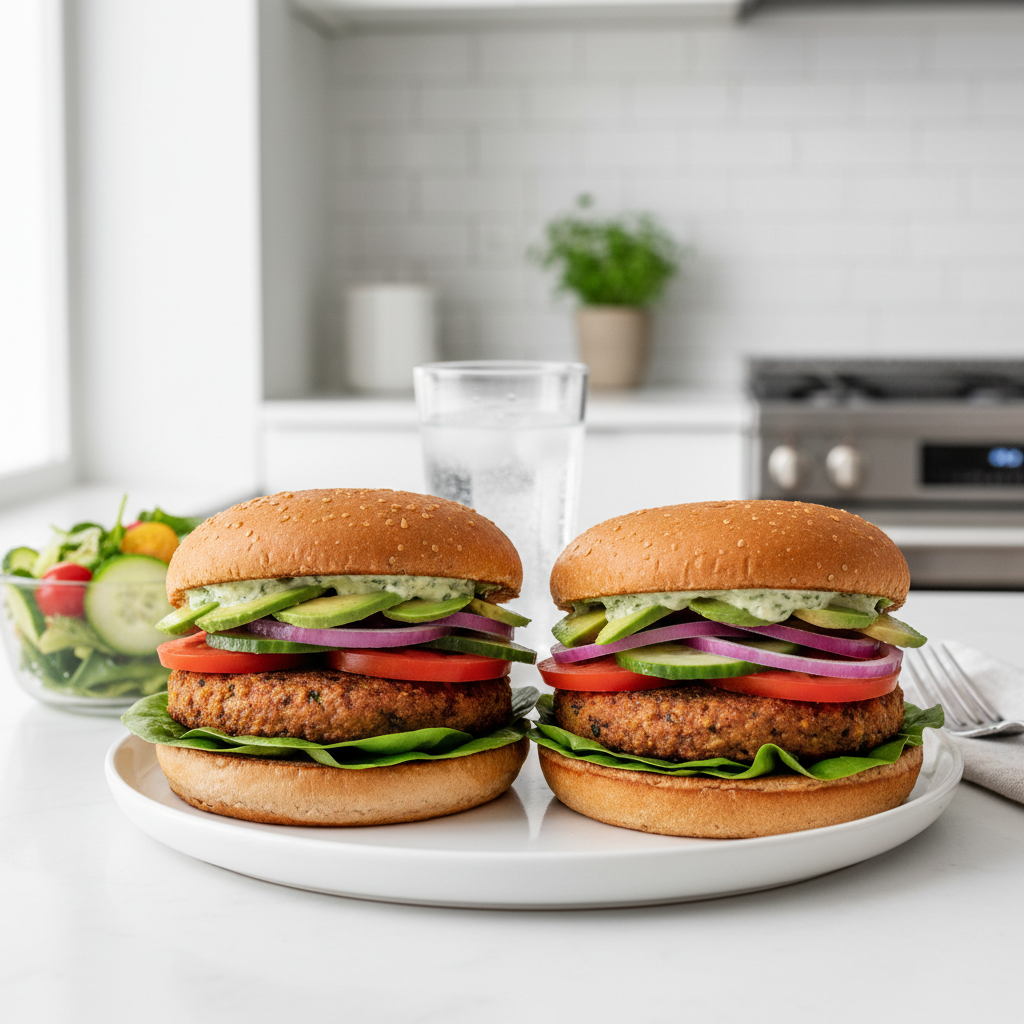
Why veggie burgers often turn out dry, mushy, or crumbly
Most “failed” patties come down to moisture control and binding, not your cooking skills. Beans and vegetables hold lots of water, grains soak water unevenly, and then heat pushes that moisture out fast.
- Too wet: you used watery veggies, didn’t drain beans well, or added too much sauce, the burger steams and goes soft.
- Too dry: not enough fat or moisture-holding ingredients, the patty tastes chalky.
- Falls apart: not enough binder, or the mix is under-mashed so it can’t “stick” together.
- Bland: beans and grains need salt, acid, aromatics, and something toasted or smoky to taste like “a burger.”
According to USDA FoodData Central, beans, oats, and vegetables vary a lot in fiber and moisture, so the same recipe can behave differently if you swap brands or use frozen veggies, that’s normal, and it’s why having a simple checklist helps.
A quick “what do I have?” checklist before you start
If you match your ingredients to a clear role, you’ll get more consistent results. Aim to include each bucket below, then adjust texture at the end.
- Base (protein + body): black beans, chickpeas, lentils, mushrooms, tofu, tempeh
- Binder (helps it hold): eggs, flax egg, chia, oat flour, breadcrumbs, mashed potato, cooked quinoa
- Flavor builders: sautéed onion/garlic, soy sauce or tamari, tomato paste, mustard, smoked paprika, cumin
- Texture (bite): chopped nuts, sunflower seeds, diced mushrooms, grated carrot, corn
- Fat (juiciness): olive oil, avocado, tahini, nut butter, seeds
Fast test: after mixing, squeeze a golf-ball-sized portion. If it cracks, add binder or a spoon of water. If it oozes and feels slick, add oats or breadcrumbs.
3 healthy veggie burger recipes that work in real kitchens
These are designed for weeknights: simple ingredients, flexible swaps, and methods that reduce the common “mush” problem. Each makes about 4 to 6 patties, depending on size.
1) Smoky Black Bean & Oat Burger (sturdy, grill-friendly)
Best for: people who want a classic burger vibe with a firm bite.
- 1 can black beans, rinsed and very well drained
- 1/2 cup rolled oats (or quick oats)
- 1/3 cup diced onion, 1 minced garlic clove
- 1 tbsp tomato paste
- 1 tbsp soy sauce or tamari
- 1 tsp smoked paprika, 1/2 tsp cumin
- 1 tbsp olive oil
- Optional: chopped pickles or a splash of pickle brine for brightness
Mash about 70% of the beans, leave the rest chunky, then mix in everything. Rest 10 minutes so oats hydrate. Form patties, chill 15 minutes if you have time, then pan-sear 4 to 5 minutes per side.
2) Chickpea, Herb & Lemon Burger (fresh, lighter)
Best for: a “Mediterranean” profile that doesn’t feel heavy.
- 1 can chickpeas, drained well
- 1/2 cup chopped parsley or cilantro
- Zest of 1 lemon + 1 tbsp lemon juice
- 1 tsp ground coriander, 1/2 tsp garlic powder
- 2 to 4 tbsp breadcrumbs or oat flour (as needed)
- 1 tbsp tahini or olive oil
- Salt and black pepper to taste
Pulse chickpeas in a food processor a few times, you want coarse crumble, not hummus. Fold in herbs and seasonings, then add breadcrumbs until it shapes cleanly. Bake at 400°F for ~18 to 22 minutes, flipping halfway, for a lower-oil option.
3) Lentil & Mushroom Burger (savory, “meaty” without meat)
Best for: deep umami flavor, great for people who miss that browned, savory note.
- 1 cup cooked brown or green lentils (not soupy)
- 1 1/2 cups finely chopped mushrooms
- 1/2 cup cooked quinoa or brown rice
- 1 tsp soy sauce or Worcestershire-style vegan sauce
- 1 tsp thyme or Italian seasoning
- 1 egg or 1 flax egg (1 tbsp ground flax + 3 tbsp water)
Sauté mushrooms until they give off water and the pan looks mostly dry, this step matters. Mix with lentils and grains, then mash slightly. Pan-sear or bake until the exterior browns.
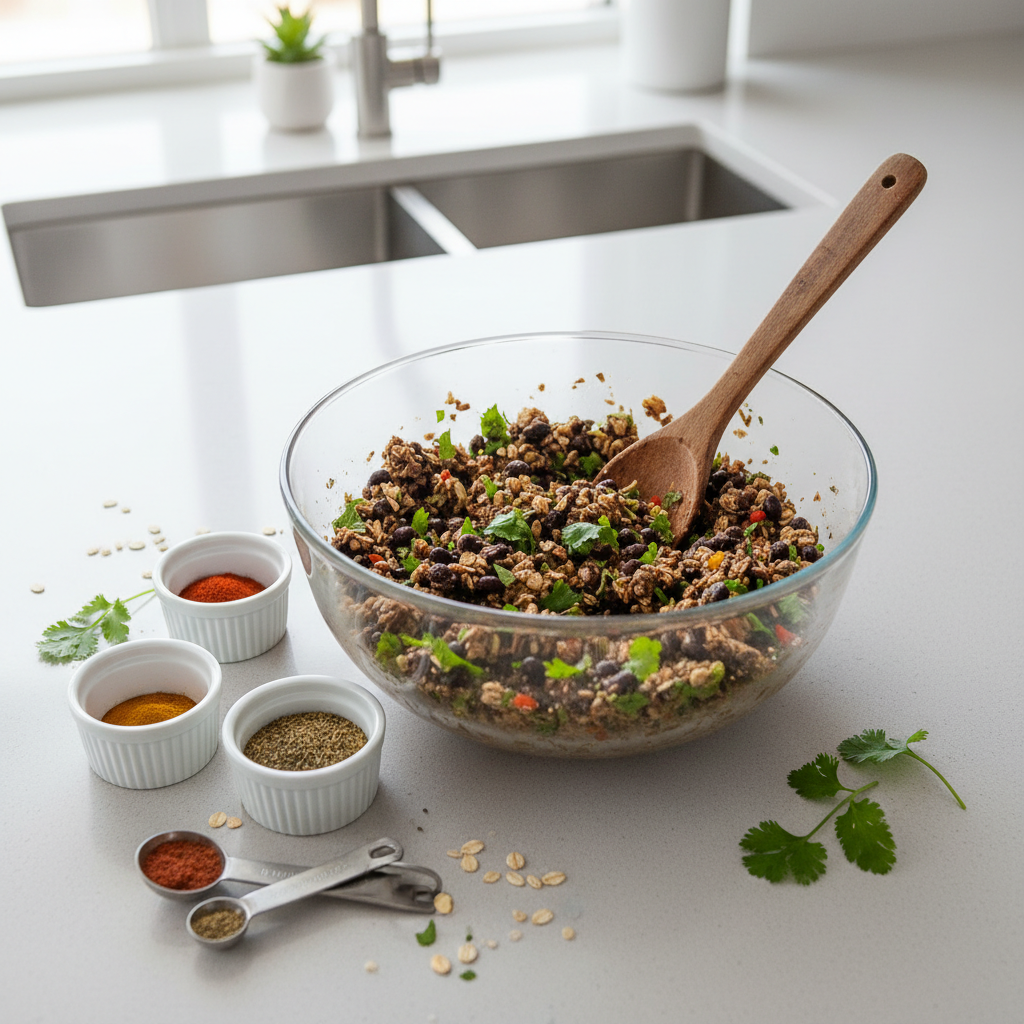
Flavor upgrades that make veggie burgers taste “finished”
A lot of “healthy” recipes under-season because people fear salt or sauces. The fix is balance: salt, acid, aromatics, and a toasted note, you don’t need all of them, but you usually need more than one.
- Umami: soy sauce/tamari, miso, tomato paste, mushrooms
- Smoke: smoked paprika, chipotle powder, a tiny splash of liquid smoke
- Acid: lemon, vinegar, pickle brine
- Sweetness: grated carrot, a pinch of brown sugar, sautéed onions
- Crunch: toasted nuts, seeds, or a crisp slaw on top
If you’re watching sodium, try using more acid and spices first, and consider lower-sodium tamari. According to American Heart Association, many Americans benefit from paying attention to sodium intake, so adjusting flavor without relying only on salt can be worthwhile.
Cooking methods: pan-sear vs bake vs grill (and when each wins)
Different veggie burgers like different heat. If you choose the method that matches your patty texture, you’ll waste fewer batches.
| Method | Best when | What to watch |
|---|---|---|
| Pan-sear | You want a browned crust and a juicy center | Use medium heat, flip once if possible |
| Bake | You prefer less oil and easy batch cooking | Brush lightly with oil for better browning |
| Grill | Patties are firm and well-bound | Chill patties first, use a clean, oiled grate |
Practical tip: if your mix feels delicate, bake first, then do a quick sear for color. That “two-step” saves a lot of heartbreak.
Meal prep, storage, and food-safety basics
Homemade patties are meal-prep friendly, but moisture shifts in the fridge, and that changes texture. Plan around it.
- Rest the mix: 10 to 20 minutes before shaping helps binders hydrate.
- Chill before cooking: 15 to 30 minutes makes patties easier to flip.
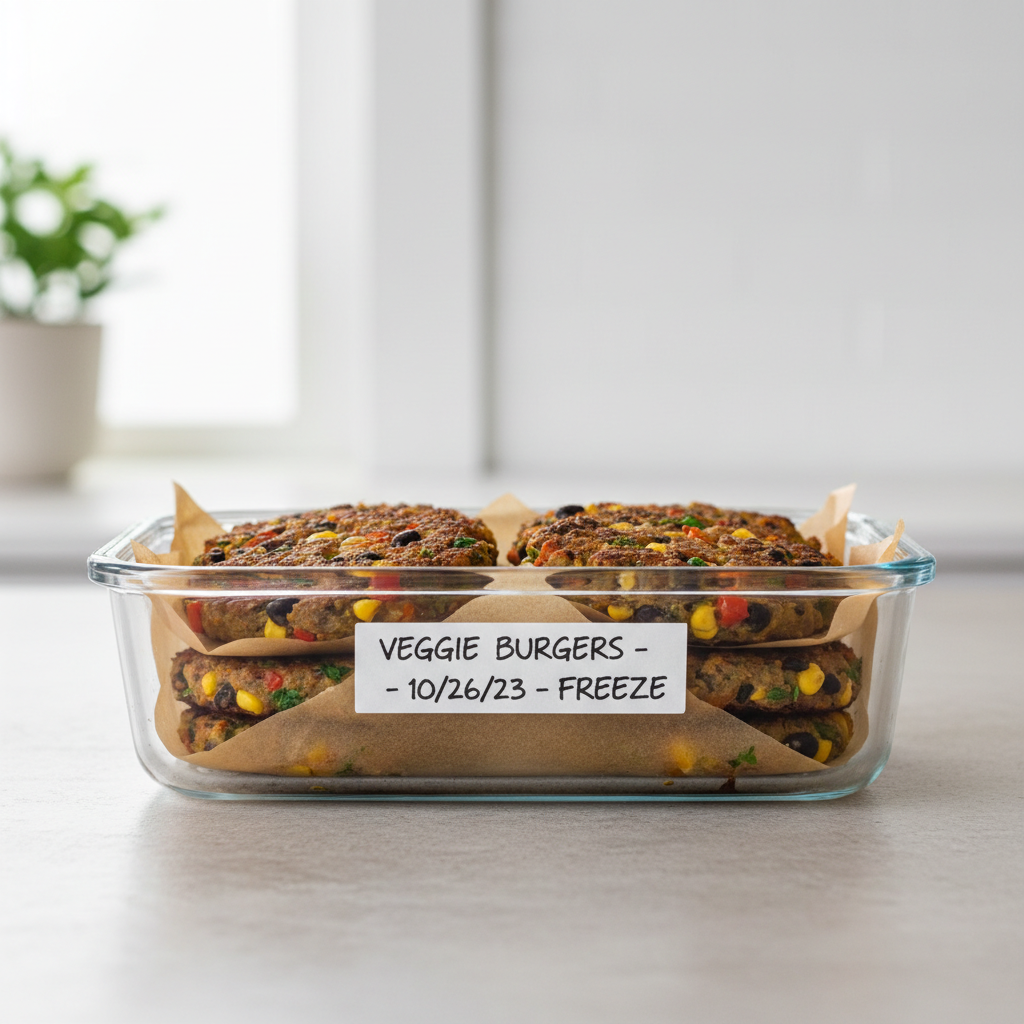
- Freeze raw patties: parchment between each one, then bag. Cook from frozen by baking, then searing.
- Reheat gently: oven or air fryer tends to keep texture better than microwaving.
According to USDA Food Safety and Inspection Service, perishable foods should not sit at room temperature for long periods, so if you’re shaping patties for a cookout, keep them chilled until they hit the heat.
Common mistakes (and the small fixes that usually work)
Most people don’t need a new recipe, they need a small adjustment. Here are the fixes that tend to matter.
- Using wet beans: drain, rinse, then let them sit in a colander, pat dry if needed.
- Over-processing: stop before it becomes paste, a little chunk equals structure.
- No browning: cook on medium heat long enough to build crust, or add a touch of oil.
- Too many add-ins: corn, carrots, and onions are great, but too much “stuff” can break the patty.
- Flipping too soon: if it sticks, it’s not ready, give it another minute.
Key takeaways: control moisture, pick a binder on purpose, and don’t skip the flavor builders. That’s the difference between “healthy-ish hockey puck” and a burger you actually crave.
Conclusion: a simple next step that makes homemade burgers easier
If you want healthy veggie burgers that taste good consistently, start with one base recipe, learn its texture, and then change one variable at a time, different spice blend, different binder, different cooking method. That approach feels slower, but it gets you to a personal “house recipe” pretty fast.
Your easiest action today: pick one of the three recipes above, make a double batch, and freeze half as raw patties. Future-you will thank you on a weeknight.
FAQ
Why do my veggie burgers fall apart when flipping?
Usually the mix lacks binder or it’s too wet. Add a spoon or two of oat flour or breadcrumbs, rest the mix, then chill the patties before cooking so the structure sets.
What’s the healthiest binder for veggie burgers?
It depends on your needs. Oats and ground flax add fiber, eggs add protein, and breadcrumbs can be fine in moderation, if you’re managing gluten, choose certified gluten-free oats or alternatives.
Can I make veggie burgers without a food processor?
Yes. A potato masher and a fork work well, just mash enough of the base so the mixture “sticks,” while leaving some chunks for texture.
How do I make veggie burgers taste more like a classic burger?
Focus on browning and umami: sauté onions, cook mushrooms until dry, add tomato paste or soy sauce, and aim for a strong sear so you get that toasted flavor.
Are store-bought veggie burgers as healthy as homemade?
Some are, some aren’t. Check sodium, saturated fat, and ingredient lists, many packaged patties are convenient but can be higher in salt or use more additives than you want.
Can I grill veggie burgers?
You can, but choose firmer patties and chill them first. If the mix feels soft, bake them to set, then finish on the grill for flavor.
How long do homemade patties keep?
In many cases, cooked patties keep a few days in the refrigerator if stored promptly, and longer in the freezer. If you’re unsure about storage safety for your situation, follow USDA guidance or consult a professional.
If you’re cooking for a busy week and want a more “plug-and-play” approach, it can help to build a small rotation: one bean-based patty, one lentil-mushroom option, and one lighter chickpea style, then keep your favorite toppings and sauces on standby so dinner feels easy without feeling repetitive.